Mouth Cancer – Symptoms, Causes & PET CT Scan
Talk to Health Expert

Dr. Nikunj Jain
Co-Founder and HOD - Nuclear Medicine ,MBBS, DRM, DNB, FEBNM, FANMB, Dip. CBNC
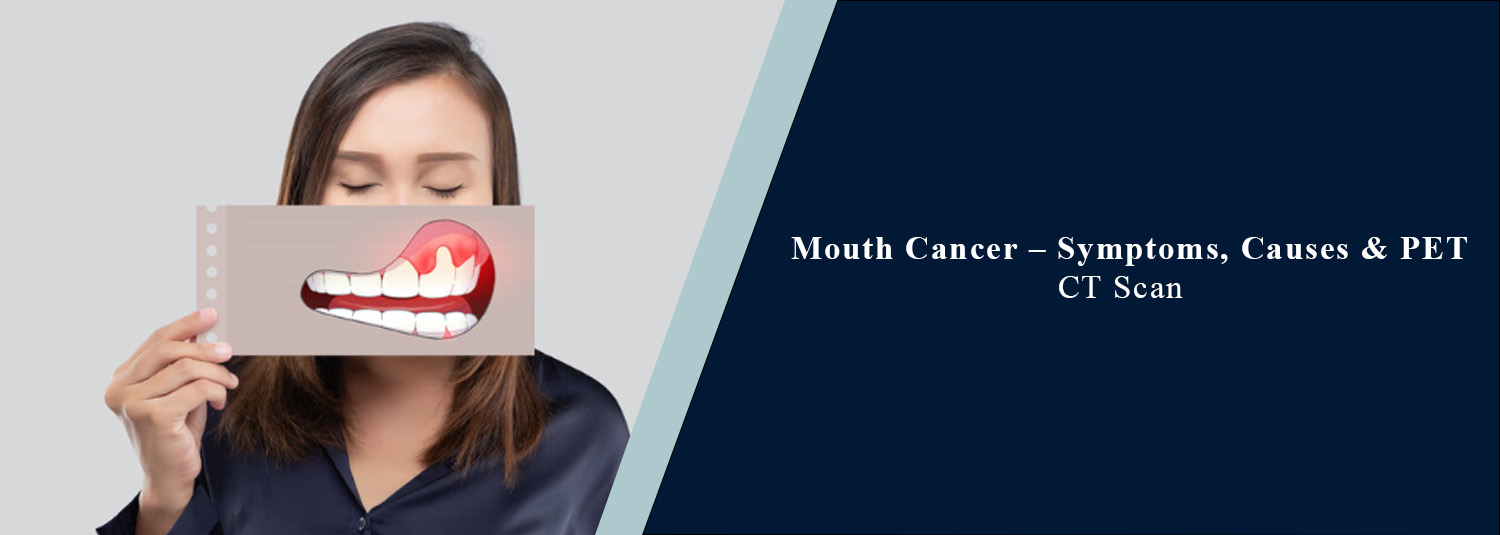
Mouth or oral cavity cancer develops in
the tissues of the mouth and is a form of head and neck cancer. It may involve
the lips, gums, tongue, lining of the inside of the cheeks, floor of the mouth,
hard palate, and the space behind the wisdom teeth. Oral cancer usually starts
on the thin tissues of the mouth in thin cells called squamous cells.
Oral cancer can occur anywhere in the
oral cavity and may start as a small sore or a change, patch, or lump in the
mouth. Several of these changes may sometimes happen due to non-cancerous
conditions, so be sure to seek medical or dental attention if symptoms persist.
If diagnosed early, the doctor may be able to identify the severity of the
disease and plan the treatment. Depending on the condition of the patient,
imaging examinations such as CT, MRI, and PET-CT may be ordered in addition to
a physical exam and biopsy.
What Is Mouth Cancer?
The development of cancer in the mouth
is directly caused by the abnormal growth of cells in the mouth when they
multiply at a faster rate than usual. It may occur on the lips, tongue, gums,
inner cheeks, floor of the mouth or roof of the mouth. Squamous cell carcinoma
is the most common type of oral cancer. When the cancer progresses, it can
penetrate into surrounding tissue and, in a small number of cases, be found in
other lymph nodes in the neck area or elsewhere in the body. Cancer staging is
a way to describe how far the cancer has spread to help doctors decide the best
treatment.
Common Symptoms of
Mouth Cancer
Sometimes symptoms of mouth cancer are
not readily apparent in the early stages. Sometimes the symptoms are similar to
common mouth injuries. Therefore, continuous or unusual changes should be
investigated by a health care worker. One of the important signs to be not
ignored is a sore or ulcer in the mouth that will not heal. Another area of
abnormality on the body is a lump or local thickening on the lips, gums,
tongue, or the inside of the mouth that needs to be evaluated.
Other symptoms may be numbness or pain
in the mouth, a white or red area on the tongue, bleeding without reason, sore
chewing or swallowing, ability to move tongue or jaw movement is affected,
having a jaw swollen or loose teeth, or dentures. One may also experience a
nagging sore throat or a "lump in the throat. The above-mentioned symptoms
do not indicate that someone has cancer. If changes including mouth ulcers,
patches, lumps, pain, or anything unusual continue, however, then it is worth
looking into for medical advice.
What Causes Mouth
Cancer?
Cancer occurs when cells change and
affect their growth and division. Oral cavity cancer can be caused by several
risk factors. One of the major risk factors is tobacco. Cigarettes, smokeless
tobacco, and other exposures from tobacco use may lead to an increased risk of
oral and head and neck cancer.
Another top risk factor is drinking
excess alcohol. Smoking along with alcohol can be a bigger risk than smoking or
drinking alcohol alone. There are other causes of risk, too; for cancers of the
lips, long exposure to sunlight may be a factor, as may be some genetic
conditions, and age. There is no guarantee that individuals with risk factors
will necessarily have mouth cancer, and individuals without risk factors can
develop mouth cancer.
How Is Mouth Cancer
Diagnosed?
The first step in the diagnosis is a
mouth, tongue, gum, lip, and surrounding area. The dentist or doctor may also
take the patient's history, check the tobacco and alcohol consumption, inspect
the neck for swollen lymph glands, and inquire about any other medical or
dental problems.
If any area appears abnormal, other
tests might be suggested. Imaging may be useful if the doctor suspects a tumour
and can help give them ideas about where the tumour is and how large it might
be; a biopsy usually is necessary to diagnose whether or not there is cancerous
tissue. Detailed anatomical information of the tumour and surrounding
structures can be provided by CT and MRI. The imaging modalities used are
dependent upon the site of suspected cancer and the clinical conditions.
What Is a PET-CT
Scan?
PET-CT is a combination of two imaging
technologies – Positron Emission Tomography (PET) and Computed Tomography (CT)
– in one scan. A single dose of a radioactive tracer, which is usually a glucose-based
tracer, is injected. PET images can show increased activity in areas of the
body where the tracer is being concentrated in the body more than is
anticipated. The “CT” component offers in-depth anatomical detail of the
location and structure of these areas. A scientific method called PET-CT, which
combines metabolic information from PET with anatomical information from CT,
can offer the physician a "whole body" view of the location and
extent of disease activity.
Why Is PET-CT Used in
Mouth Cancer?
PET-CT may be recommended in selected patients with mouth or head and
neck cancer, particularly when doctors need to assess the extent of disease.
One important role of PET-CT is helping evaluate whether cancer may have spread
beyond the original tumour. It can help identify areas of increased metabolic
activity in lymph nodes or other parts of the body that may require further
assessment.
PET-CT can therefore contribute to cancer staging. Knowing whether the
disease is limited to the primary site, has involved nearby lymph nodes, or has
spread to distant parts of the body can help doctors plan treatment. However,
PET-CT is not used alone to diagnose every case of mouth cancer. The findings
need to be interpreted together with clinical examination, biopsy results, and
other imaging studies.
Conclusion
Mouth cancer can occur across various
regions of the mouth, and symptoms may include an ulcer in the mouth that does
not heal, a lump or sore in the mouth and lips, a white or red area in the
mouth, bleeding without any obvious cause, pain, asymmetry or numbness, trouble
swallowing, changes in the tongue or jaw. While use of tobacco and excessive
alcohol consumption are significant risk factors, some people develop mouth
cancer who do not have these factors. Symptoms that do not go away should
always be assessed by a suitable health professional.
Diagnosis includes examination, imaging studies and biopsy. PET-CT may be a valuable tool in select patients when the diagnosis of mouth cancer has been made or is strongly suspected, moving beyond the information provided by detailed anatomical imaging; it also provides data regarding the cancer's metabolic properties. It may be helpful for doctors to review the lymph nodes, check for the presence of the disease in other parts of the body, and aid staging and treatment planning. Molecular Diagnostics and Therapy has advanced diagnostic imaging services that can help doctors and patients determine and treat cancer. The best scan and/or diagnosis should always be chosen based on the individual's medical status and guidance from the treating healthcare provider.
Frequently Asked Questions
In News
Get Our Mobile App
for Easy Access
Book tests, view reports, and manage your health records on the go. Experience convenient healthcare with Molecular Diagnostics and Therapy.
- ✔ Book tests & home collection
- ✔ View reports instantly
- ✔ Track health history
- ✔ Get notifications & reminders
- ✔ Easy appointment management