What Patients Should Know Before a PET-CT?
Talk to Health Expert

Dr. Nikunj Jain
Co-Founder and HOD - Nuclear Medicine ,MBBS, DRM, DNB, FEBNM, FANMB, Dip. CBNC
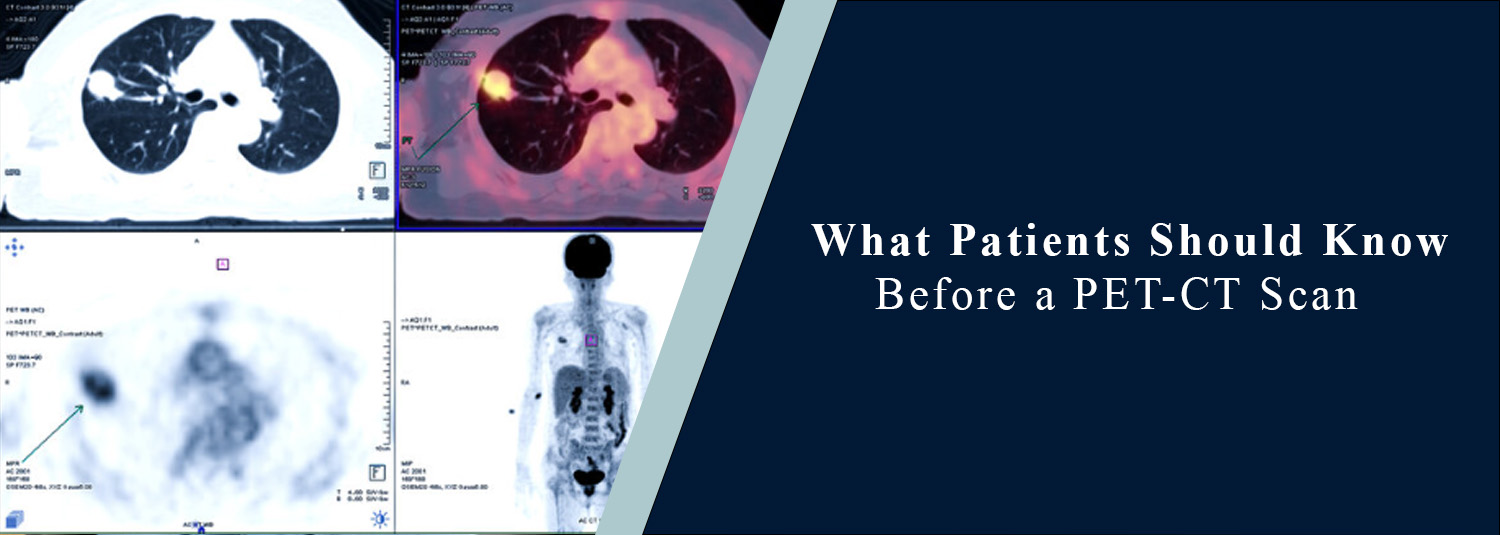
If your doctor has suggested a PET-CT scan, you may have several questions about the test, its purpose, and how to prepare. One of the most sophisticated imaging techniques in the field of modern medicine, PET-CT plays a crucial role in the diagnosis, staging, and treatment monitoring of various medical conditions with a high degree of accuracy. Knowing what to expect before, during, and following a PET-CT helps reduce anxiety and get you prepared for the test. Proper preparation is very significant because it has a direct impact on image quality and accuracy.
At Molecular Diagnostics and Therapy, we make it our mission to keep patients informed so they are more at ease and confident making their way through the diagnostic process. This guide includes all of the information patients need to know before having a PET-CT.
What Is a PET-CT?
PET-CT is a scan that combines the benefits of both PET and CT imaging. It uses two imaging techniques at the same time to give detailed information about organs and tissues, their structure, and function. One part of the scan, called the CT part, yields three-dimensional cross-sectional images of body structures; the PET part generates images of the metabolic activity of cells.
A small dose of radioactive tracer is given in the procedure, typically intravenously. The tracer passes through the blood and concentrates in the region of higher metabolic activity, such as the region of disease. PET-CT provides valuable functional and anatomical data that aid doctors in better detecting abnormalities than many traditional imaging techniques.
Why Is a PET-CT Recommended?
PET CT imaging is most frequently used in cancer treatment. It assists physicians when cancer is detected, to determine the stages of the disease, to diagnose if it has spread beyond the primary tumor, to measure how well the treatment is working, and to track cancer returning after a treatment.
It is often used in the diagnosis of types of cancer like lung cancer, breast cancer, lymphoma, colorectal cancer, and head and neck cancers. Besides oncology, PET-CT could be involved in the evaluation of some neurologic disorders, such as dementia and epilepsy, as well as some heart diseases. Your doctor suggests a PET-CT when the information from this type of imaging is needed for diagnosis and/or treatment plans.
How Should You Prepare for a PET-CT?
When getting accurate results is important, preparation is crucial. Patients are usually required to fast for a few hours before the procedure. Water is typically encouraged, if not expected. The radioactive tracer usually used in PET-CT is like glucose, so it is important to avoid fluctuations in blood sugar when taking the PET-CT.
The patients are not supposed to go into any strenuous activity for at least 24 hours before the examination, as this increases muscle activity, which can alter tracer distribution. Clothing should also be comfortable and not contain any metal accessories like jewelry, watches, or belts with big buckles. It is critical to carefully follow your imaging center's preparation instructions to improve your image quality.
Inform Your Healthcare Team About Your Medical History
If you are having a PET-CT, there are certain things you need to let your health care provider know about, including any medical problems, allergies, surgeries you have had recently, or those you are having right now. Diabetic patients should discuss with the imaging staff any medications they take or the timing of meals, since special preparation may be needed.
Pregnant women or those who may be pregnant, or who are breastfeeding, should inform their healthcare provider in advance of the exam. Fully and accurately disclosing medical information ensures that your safety is maintained and allows for the proper medical procedure.
What Happens During the Procedure?
At your appointment, you are informed about the preparation instructions by a health care provider. The radioactive tracer is injected into a vein, typically in the arm, with the help of a small intravenous needle.
Following the injection, you need to wait about 45-60 minutes while the dye passes through your system. You are requested to lie still and refrain from pointless movements during this period. After the uptake time, you then lie on a motorized table, which moves through the PET-CT machine. The imaging procedure itself is not painful and only requires a span of approximately 20-45 minutes, depending on the area that is being examined. People need to stay very still while having a scan, because this allows for a clear image and accurate results.
Is PET-CT Safe?
PET-CT can be thought of as a completely safe and tolerable diagnostic procedure. The quantity of radioactive tracer administered is technically controlled and minimised to obtain good-quality images.
The injection of the tracer doesn't produce any side effects in most patients. The incidence of reactions to this is extremely low, and the radioactive iodine is naturally excreted over time. The usually small risks of obtaining diagnostic information far outweigh the benefits. Your healthcare provider will only consider using PET-CT if it's medically needed.
What Should You Do After the Scan?
Once the PET-CT scan is done, most people are able right away to resume their normal life. In general, additional water is recommended to be consumed so that the tracer can be excreted faster.
As a precaution, your health care provider also might want you to avoid close contact with pregnant women and young children for a period of time following your scan. A specialist views the images and shares the results with your referring doctor, who then discusses any further planning or steps you need to take.
Choosing the Right PET-CT Center
For accurate results and a pleasant patient experience, it is important to select a reliable imaging center. A diagnostic centre like ours that has a high level of PET-CT technology, the cooperation of expert nuclear medicine doctors, can quickly process the reports, and the reception of patients is very thorough. Molecular Diagnostics and Therapy aim to provide our patients with optimal PET-CT imaging in an environment that is comfortable, safe, and provides a correct diagnosis.
Conclusion
PET-CT is a powerful imaging tool, and in many disease states, including cancer, it is a vital diagnostic and accurate tool. Understanding the process and preparation can help you maintain accurate results and a more streamlined process.
When you have been prescribed a PET-CT, observance of these "rules" can have a huge impact: follow the recommendations of your primary care physician, and go to a trusted facility for the diagnostic imaging procedure. Molecular Diagnostics and Therapy works towards providing patients with accurate diagnostics and compassionate service throughout the process, with advanced imaging technology and the expertise that comes from over 7 years of experience.
Frequently Asked Questions
In News
Get Our Mobile App
for Easy Access
Book tests, view reports, and manage your health records on the go. Experience convenient healthcare with Molecular Diagnostics and Therapy.
- ✔ Book tests & home collection
- ✔ View reports instantly
- ✔ Track health history
- ✔ Get notifications & reminders
- ✔ Easy appointment management