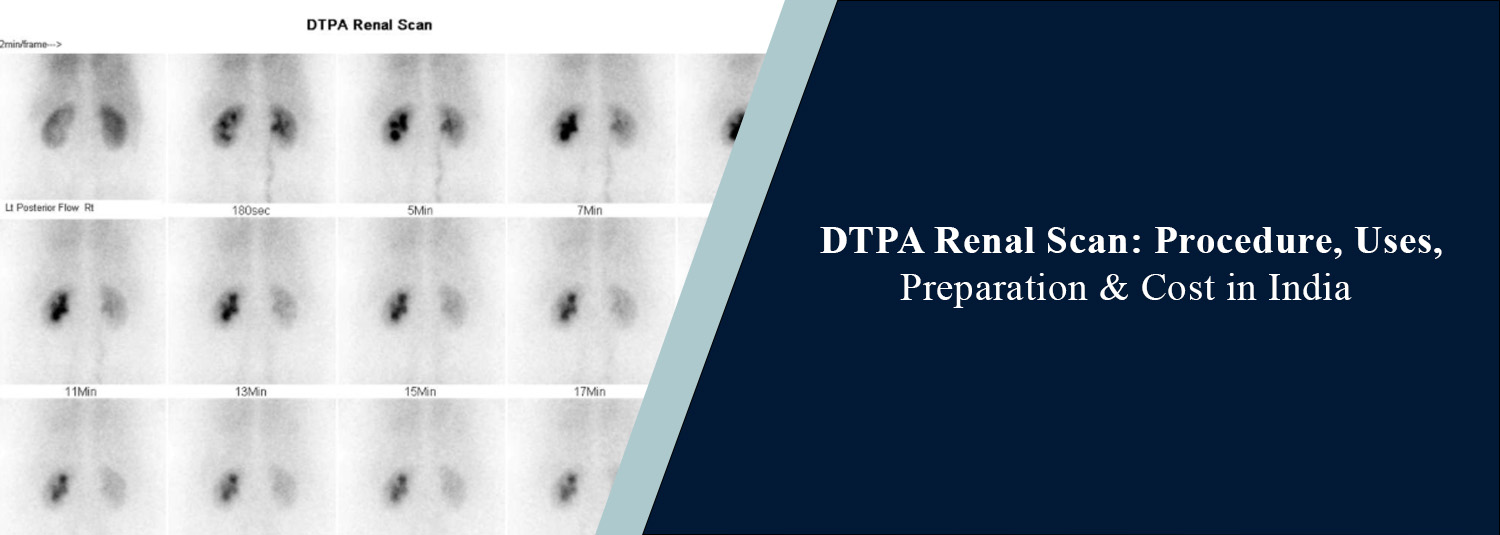
DMSA scan
₹7000
A DMSA Scan is a special nuclear medicine test used to evaluate the structure and function of the kidneys, particularly the renal cortex. This test is also known as Renal Cortical Scintigraphy.
The scan is performed by injecting a tracer called Technetium-99m Dimercaptosuccinic Acid (99mTc-DMSA). This tracer attaches specifically to the active cells of the kidney cortex.
Because of its high sensitivity, this scan is extremely useful for detecting kidney scarring, acute kidney infections, and congenital kidney abnormalities.
The DMSA scan provides important information that may not be visible in routine tests such as ultrasound or IV pyelogram, especially in children who experience recurrent urinary tract infections (UTIs).
What is a DMSA Scan?
A DMSA scan is a non-invasive nuclear medicine examination that evaluates the functional anatomy of the kidneys, particularly the renal cortex, which performs most of the kidney’s filtering activity.
The scan helps to:
- Produce detailed images of renal cortical tissue.
- Identify kidney scarring or cortical defects.
- Detect structural abnormalities of the kidneys.
During the test, a small dose of 99mTc-DMSA is injected into a vein. The tracer accumulates in healthy kidney cells, and a gamma camera is used to capture detailed images of kidney structure and function.
Key Indications for a DMSA Scan
A DMSA scan may be recommended in the following clinical situations:
- Acute pyelonephritis – to detect areas of acute inflammation in the kidney cortex.
- Renal scarring – to assess damage caused by recurrent or untreated infections (chronic pyelonephritis).
- Congenital kidney anomalies – such as solitary kidney, ectopic kidney, or horseshoe kidney.
- Recurrent UTIs – especially in children, to evaluate kidney damage caused by repeated infections.
- Split renal function assessment – to determine the functional contribution of each kidney.
- Pre-surgical kidney evaluation – before certain urological surgeries or kidney donation.
- Follow-up evaluation – after kidney infection or kidney surgery.
- Pre-transplant kidney assessment in selected clinical scenarios.
Why Choose a DMSA Scan Over Other Imaging Methods?
- Highly sensitive in detecting cortical defects compared to ultrasound.
- More accurate than IV pyelogram for detecting kidney scars.
- Shows the functional areas of the kidneys.
- Child-friendly and particularly useful for evaluating complications of UTIs in children.
- Helps detect structural abnormalities such as ectopic or fused kidneys.
- Assists doctors in planning treatment by determining the extent of kidney damage.
What Conditions Can a DMSA Scan Detect?
A DMSA scan helps diagnose and monitor conditions such as:
- Acute pyelonephritis – inflammation of the kidney cortex.
- Chronic pyelonephritis – kidney scarring caused by recurrent infections.
- Congenital kidney abnormalities – such as solitary kidney, horseshoe kidney, or ectopic kidney.
- Vesicoureteral reflux (VUR) – monitoring kidney damage in children with reflux.
- Kidney trauma – evaluation after blunt or penetrating injury.
- Differential renal function – measuring the contribution of each kidney to total renal function.
Benefits of the DMSA Scan
- Non-invasive and safe.
- Uses a very small amount of radiation.
- Detects cortical defects and kidney scarring at an early stage.
- Helps prevent long-term kidney damage through early diagnosis.
- Particularly useful in children and patients with recurrent kidney infections.
- Provides accurate results when other imaging tests are inconclusive.
Conclusion
The DMSA Scan (Renal Cortical Scintigraphy) is a highly reliable nuclear medicine test used to evaluate kidney structure and function, especially the renal cortex.
It is one of the best methods for detecting kidney scarring, diagnosing pyelonephritis, and identifying congenital kidney abnormalities.
This scan is particularly valuable for children with recurrent UTIs, as early detection of kidney damage can help prevent long-term complications. Because it is non-invasive, highly sensitive, and safe, the DMSA scan is an important diagnostic tool in nuclear medicine for kidney evaluation and management.
Test information: Fasting NOT needed
Reporting: Within 2 hours*
Preparation
- Usually, no fasting or special preparation is required.
- Patients are advised to stay well hydrated unless instructed otherwise.
- Inform the technologist if you are pregnant or breastfeeding.
Talk to Health Expert
Health Articles