MRI NASOPHARYNX
₹7000
MRI Nasopharynx is a form of special imaging procedure that helps to assess the nasopharyngeal area, which is found behind the nose and on the top of the throat. The area has key structures like the nasopharyngeal mucosa, pharynx walls, the origins of the Eustachian tubes, lymphoid mucosa in the area, and the soft tissue around the area.
MRI offers good soft tissue contrast and multiplanar imaging and, hence, is very effective in examining tumors, infections, inflammatory diseases, and congenital abnormalities of the nasopharynx. As compared to CT scans, MRI does not involve the use of ionizing radiation; thus, it is a safer choice, particularly in the case of younger patients or follow-up studies that the patient needs repeated.
The capacity to resolve the difference between neoplastic tissue, inflammation, and normal anatomy of the nasopharyngeal area renders MRI the imaging modality of choice in suspected cases of nasopharyngeal carcinoma, which is one of the most critical diseases to affect the region.
Purpose of MRI Nasopharynx
An MRI of the nasopharynx can be done to investigate masses or tumours in the area and to stage nasopharyngeal carcinoma. It aids in determining the degree of tumor invasion into surrounding organs, including the skull base and parapharyngeal space, as well as the intracranial cavity.
The scan can also be used to distinguish between a benign and a malignant lesion, examine enlarged adenoids or chronic adenoid hypertrophy, as well as to examine an unexplained nasal obstruction or frequent infection. It can also be used to identify congenital abnormalities, determine the presence of the Eardrum in hearing loss or middle ear effusion, follow up on post-surgical patients, and help in the preoperative planning.
Indications for MRI Nasopharynx
MRI can be considered in patients with persistent nasal congestion or obstruction, unexplained nosebleed (epistaxis), or hearing-related problems, like hearing loss, frequent ear infections, or middle ear fluid.
It is also used to denote when a mass is found during a clinical examination or nasoendoscopy, when the nasopharyngeal carcinoma is suspected, or when an enlarged cervical lymph node is found with no apparent cause. Additional signs are the unexplained headaches, symptoms that are associated with the cranial nerves, and a follow-up in the absence of radiotherapy or surgery.
Procedure of MRI Nasopharynx
Before the Scan
Patients are to tell the physician about any metallic implants, pacemakers, or cochlear devices. It is not usually necessary to fast except in the case of contrast. Metallic objects like jewelry, glasses, and hairpins should also be removed. In some instances, contrast-enhanced MRI can be recommended to provide more characterization of the lesion.
During the Scan
The patient gets in the supine position on the MRI table with his head in a special head or neck coil. The nasopharyngeal area thin-section images are obtained in various planes.
Some of the standard imaging sequences are (T1-weighted, T2-weighted, STIR, and diffusion-weighted imaging). To visualize the tumor better, distinguish between scar tissue and recurrence, and determine vascular involvement, contrast-enhanced scans can be done. This scan lasts between 25 and 40 minutes.
After the Scan
Immediately after the procedure, patients are able to resume normal activities. An image review is carried out by a radiologist who makes a detailed report to be presented by the treating physician.
Imaging Sequences Used
MRI involves a range of imaging sequences in the examination of the nasopharynx efficiently. T1-weighted/images provide specific anatomical data; meanwhile, T2-weighted/images assist in detecting fluid, edema, and alterations in soft tissue.
Fat-suppression and STIR sequences enhance the detection of lesions. Diffusion-weighted imaging is especially effective in detecting malignancies, and contrast-enhanced T1-weighted imaging is helpful to determine the extent, vascularity, and recurrence of tumors.
Conditions Diagnosed with MRI Nasopharynx
MRI Nasopharynx is very powerful to diagnose neoplastic lesions of the nose, like nasopharyngeal carcinoma, lymphoma, and benign lesions like angiofibroma, papillomas, and adenoma. It also assesses tumor spread into the surrounding areas, such as the parapharyngeal and intracranial ones.
Chronic nasopharyngitis, adenoid hypertrophy, abscesses, and infections (tuberculosis or fungal disease) can also be revealed by infectious and inflammatory diseases. Congenital defects, such as the cyst of Thornwaldt and other developmental defects, can be well visualized.
Also, MRI can be used to determine dysfunction of the Eustachian tube, secondary middle ear and mastoid disease, and post-treatment events of scarring or radiation.
Benefits of MRI Nasopharynx
MRI offers a great visualization of the nasopharynx and the structures around the nasopharynx. It is not invasive and does not require radiation, and thus can be repeated without any danger of radiological harm.
It provides better soft tissue resolution and multi-plane imaging, which enables early detection of tumors and precise differentiation between benign and malignant pathology. MRI can be of great use in treatment planning, particularly in the treatment of cancer, as well as in following up on cancer recurrence after treatment.
Risks and Limitations
MRI can not be applied in the case of patients with incompatible metallic implants or pacemakers. Cases of discomfort because of claustrophobia may arise during this scan.
There are chances that a gadolinium-based contrast agent can cause allergic reactions and complications in patients with severe kidney conditions, rarely. Endoscopy can better assess the small superficial lesions in certain cases, and the CT scan is more precise in detecting the presence of a calcification.
Comparison with Other Imaging Modalities
Naral endoscopy offers direct visualization of the nasopharynx, which is limited in the evaluation of deeper structures and tumor dissemination. CT scans are more effective in bone structures and calcifications, but not as effective with soft tissue details.
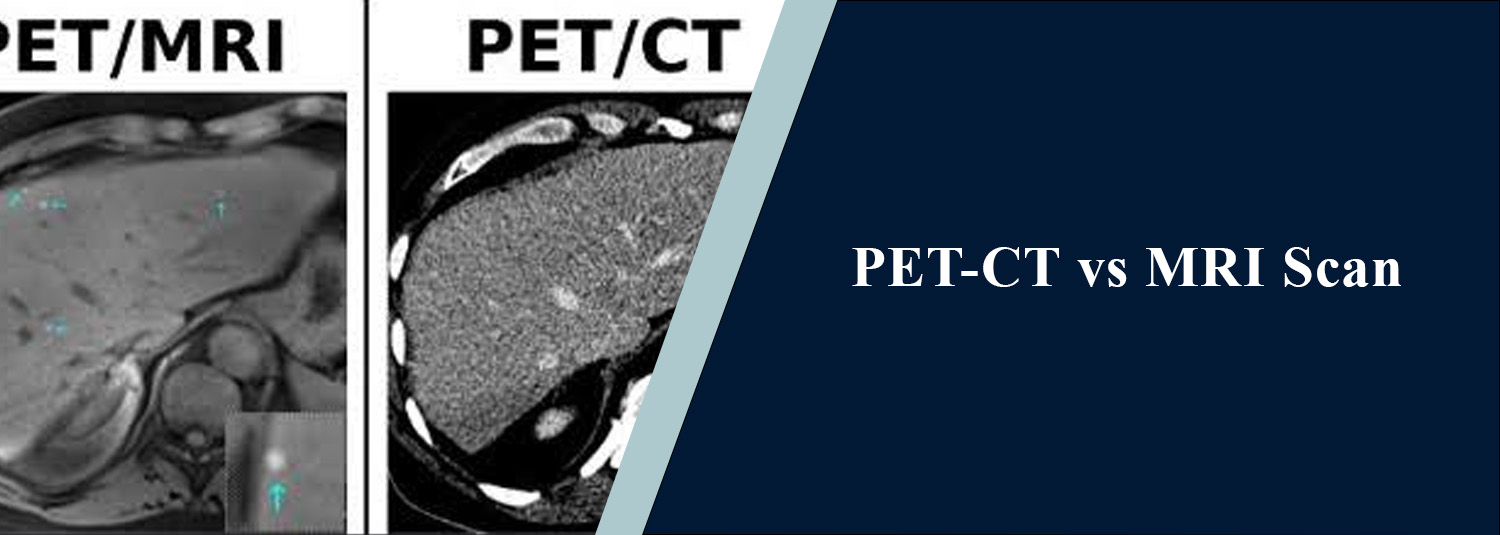
MRI can be better used in the assessment of the soft tissues, tumor management, and intracranial spread. PET-CT is an improvement of MRI and identifies metabolic activity and metastasis of the distant foreign body.
Clinical Importance of MRI Nasopharynx
MRI of the nasopharynx is a key area of diagnosis and treatment of nasopharyngeal carcinoma. It assists in identifying tumours at an early stage and precisely tracing their location to the critical areas like the skull base, cavernous sinus, and cranial nerves.
MRI is also most effective in children in the assessment of large adenoids and atrial malformations without exposing them to radiation. In cases that are post-treatment, it assists in differentiating scar tissue from recurring disease so as to meet the right follow-up.
ENT professionals, oncologists, and radiologists are using MRI to provide an extensive diagnosis, staging, and treatment planning. The non-invasiveness of it and the accuracy of the diagnosis it offers make it a vital instrument in the healthcare system today.
Conclusion
MRI Nasopharynx is a high-technology imaging mode that leads to a comprehensive assessment of the nasopharyngeal area and other morphologic structures. It plays a crucial role in the diagnosis of tumors, staging of cancers, evaluation of infections, and detection of congenital abnormalities.
MRI is critical in the early diagnosis, treatment planning, and detection of changes in disease progression due to its excellent soft tissue imaging and capability to detect subtle alterations. However, with some minor drawbacks, it is the gold standard of non-invasive assessment of nasopharyngeal conditions and helps to enhance patient care and outcomes.
Test information: Fasting NOT needed
Reporting: Within 24 hours*
- Fasting is not needed.
- The magnetic field is not harmful but may cause the malfunction of some medical devices. Always inform about any pacemaker, cochlear implant or other medical device implanted or fixed in your body.
- Most orthopaedic implants pose no risk, but always ensure to inform the technologist about the same before starting the procedure.
- Please wear comfortable clothing. Any jewellery, including rings, watches, mobiles, Keys, credit/ debit cards, dentures, hearing aids, wigs, hairpins, and metallic makeup, including mascara, is not permitted.
- Please carry all previous medical documents.
Talk to Health Expert
Health Articles