F-18 NOTA PET-CT Scan (Somatostatin Receptor PET-CT)
₹22000
F-18 NOTA PET-CT Scan is a groundbreaking nuclear medicine image test that is used to detect and evaluate the presence of neuroendocrine tumors (NETs). It entails the use of a radiotracer made of Fluorine-18 (F-18) conjugated to a peptide targeting somatostatin receptors (also known as the NOTA) conjugated to a peptide targeting somatostatin receptors, which is widely found in neuroendocrine tumours.
It is a scan, which combines both PET (functional imaging) and CT (structural imaging), and due to the integration, they are in a position to accurately pinpoint a tumor, not to mention the fact that it is also able to identify the biological activity of the tumor. The sensitivity and accuracy of F-18 NOTA PET-CT are more susceptible to detecting primary lesions and diamond lesions than traditional imaging.
Purpose of F-18 NOTA PET-CT Scan
The scan is mainly utilized in the diagnosis and treatment of neuroendocrine tumors.
Tumor Detection
- Finds major neuroendocrine tumors.
- Identifies tiny or subtle lesions that have not been seen in other imaging.
Staging and Metastasis
- Assesses the dissemination to lymph nodes, liver, bones, and other organs.
Treatment Planning
- Identifies appropriateness of specific treatment (e.g., PRRT)
- Assist in surgery or medical care.
Monitoring Treatment Response
- Measure the effectiveness of treatment.
- Identifies both recurrence and residual disease.
Procedure of F-18 NOTA PET-CT Scan
Before the Scan
- The duration of fasting is 4-6 hours.
- Stay well hydrated
- Disclose medications, pregnancy, or medical conditions to the doctor.
- Excessive physical work before the scan should be avoided.
During the Scan
- The injection of a small dose of F-18 NOTA radiotracer is done in a vein.
- Taking around 45-60 minutes to distribute the tracer.
- A PET-CT scanner is used for the scan.
- During imaging, the patient has to lie in a still position.
- Scan time is about 20-40 minutes.
After the Scan
- Consume a lot of fluids to aid in getting rid of the tracer.
- Resume normal activities.
- Radiation effect is low and short-lived.
Techniques Used
- PET Imaging: Metabolic and receptor activities.
- CT Imaging: Gives an in-depth anatomy.
- F-18 NOTA Tracer: Binds with the somatostatin receptors.
- Whole Body Imaging: Checks the spread of the tumor in the body.
Benefits
- Very sensitive and specific to neuroendocrine tumors.
- Locates small and early lesions.
- Integrates function-based imaging and anatomy.
- Non-invasive and relatively harmless.
- Helps inform individual treatment.
Conditions Diagnosed
- Very sensitive and specific to neuroendocrine tumors.
- Locates small and early lesions.
- Integrates function-based imaging and anatomy.
- Non-invasive and relatively harmless.
- Helps inform individual treatment.
Risks and Considerations
Radiation Exposure
- Low-level radiation is considered safe.
Pregnancy
- Not recommended unless necessary.
Allergic Reactions
- Rare, as tracer reactions are uncommon.
Blood Sugar / Activity
- Physical activity before the scan may affect the results.
Comparison with Other Imaging Techniques
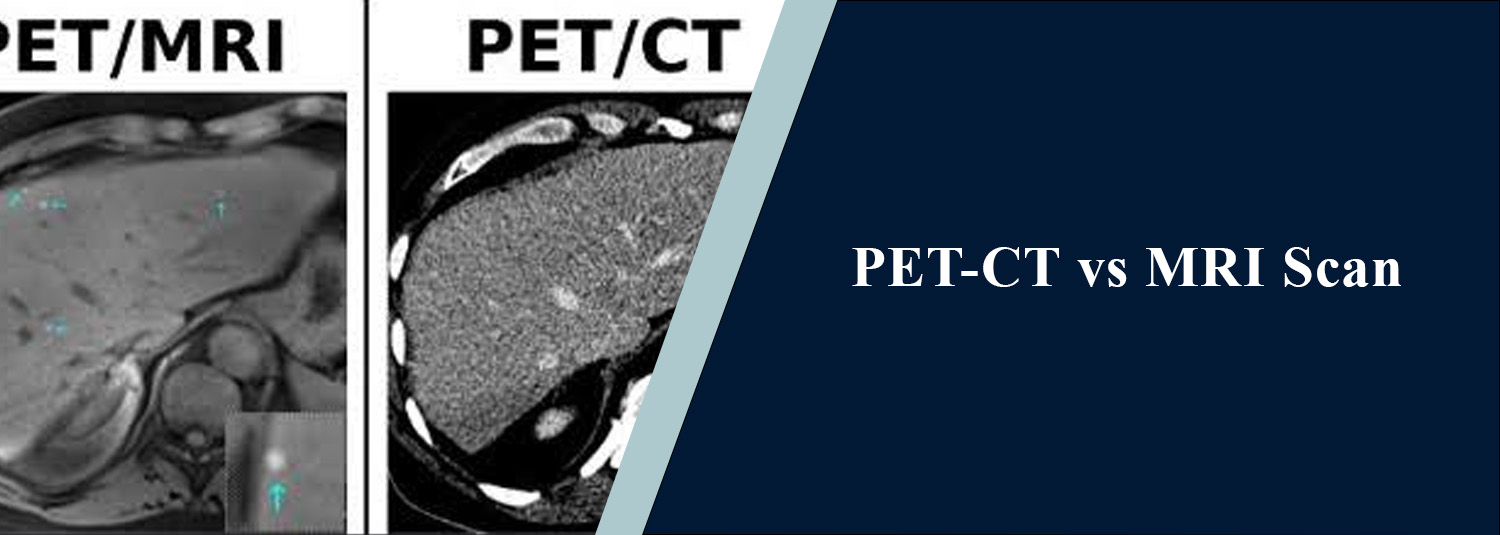
- CT Scan: Structure as well as limited functional detail.
- MRI: Good soft tissue imaging, but lacks receptor specificity.
- FDG PET-CT: This is playing well with aggressive tumors but not with NETs.
- F-18 NOTA PET-CT: Very specific in tumors that have somatostatin receptors.
Clinical Importance
The F-18 NOTA PET-CT is important in the treatment of neuroendocrine tumors:
- Facilitates the proper detection of tumors at an early stage.
- Assistance with staging and treatment planning.
- Eligible to receive specific therapies (such as PRRT).
- Monitors response to treatment and observes concurrence.
It has receptor-specific imaging and is thus one of the most sophisticated techniques of modern oncology.
Conclusion
F-18 NOTA PET-CT Scan is a very advanced and efficient imaging modality to detect and treat neuroendocrine tumors. It offers a precise and overall assessment by integrating functional and anatomical images and receptor targeting.
It is an important tool in the early diagnosis, treatment planning, and long-term surveillance, which has the potential for positive patient outcomes.
Test information: Fasting: 4-6 hours
Reporting: Within 24–48 hours
-
Patient should be fasting for at least 4–6 hours before the scan.
• Water intake is allowed and encouraged.
• Please carry a Serum Creatinine blood report.
• Diabetic patients should inform the department before scheduling the scan.
• Carry all previous medical records, biopsy reports, surgery details, and previous PET/CT or MRI/CT scans.
• Avoid heavy exercise 24 hours before the scan.
• Continue regular medications unless advised otherwise by the doctor.
• Patient should reach the center 30–45 minutes before the appointment time.
• Pregnant or breastfeeding patients must inform the department prior to the scan.
• Metal objects, jewellery, and valuables should be avoided on the day of scan.
• The procedure may take around 2–3 hours including preparation and scanning time.
• Please carry a valid ID proof and doctor’s prescription.
Talk to Health Expert
Health Articles