HIDA Scan (Hepatobiliary Scan)
₹10000
The Hepatobiliary Iminodiacetic Acid Scan (HIDA Scan) is a nuclear medicine imaging procedure to detect the liver, gallbladder, bile ducts, and small intestine functions. It is a procedure in which a small amount of radioactive material is injected into the body, which is allowed to circulate in the hepatobiliary system, allowing the doctor to assess the production and flow of bile.
HIDA scanning is more useful in diagnosing the conditions associated with the obstruction of the bile flow and dysfunction of the gallbladder than an ultrasound or even a CT scan, which are essentially anatomical.
The procedure is particularly useful in diagnosing gallbladder disease, bile duct obstruction (leaked or otherwise), and in assessing the function of the gallbladder (ejection fraction).
Procedure of HIDA Scan
Before the Scan
- There should be a fast of at least 4-6 hours.
- Before the test: Don't eat greasy food.
- Tell the doctor if you're taking medications, are pregnant, or have allergies.
- Medication that affects the function of the gallbladder may need to be withdrawn.
During the Scan
- A radioactive tracer in a small quantity is injected into a vein.
- The patient is positioned over a gamma camera that keeps track of the tracer.
- Pictures are captured with a passage of time when the tracer passes by the liver, gallbladder, and bile ducts.
- The scan will take an average of 1 to 2 hours.
- Here, a hormone (CCK) can be administered to test the contraction of the gallbladder.
After the Scan
- Immediately, normal activities can be resumed.
- Consume much fluid to aid in ridding oneself of the tracer.
- The tracer comes out of the body naturally within a period of 24 hours.
Techniques Used
- Radiotracer Imaging: Monitors the bile flow and production.
- Dynamic Imaging: Repeated imaging to track the movement of tracers.
- CCK Stimulated Study: Measures the ejection fraction of the gallbladder.
- Delayed Imaging: Assists in diagnosing obstruction or bile leakage.
Benefits
- Performs functional evaluation of the biliary system and liver.
- Uncovers conditions that cannot be seen on ultrasound or CT.
- Less invasive and safe.
- Prompt and precise diagnosis of dysfunction of the gallbladder.
- Helps facilitate decisions on treatment and surgery.
Conditions Diagnosed
- Acute and chronic cholecystitis.
- Biliary dyskinesia (poorly functioning gallbladder)
- Bile duct obstruction
- Bile leaks
- Obstruction (indirectly via obstructions) by Gallstones.
- Congenital biliary abnormalities
- Post-surgical complications
Risks and Considerations
Radiation Exposure
- An extremely low dose of radiation has been declared safe for the majority of patients.
Pregnancy and Breastfeeding
- One should ask the doctor before the test.
Allergic Reactions
- Uncommon as tracer is usually safe.
Time Duration
- Takes more time than standard imaging (can take as long as 2 hours or longer)
Comparison with Other Imaging Techniques
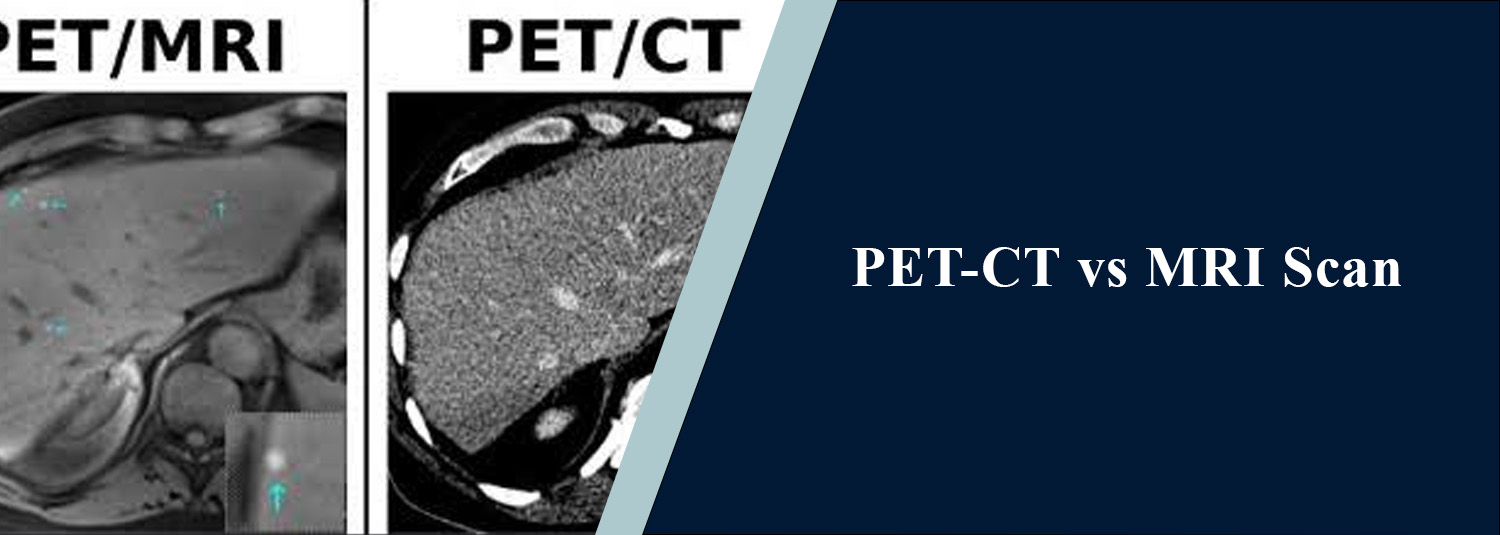
- Ultrasound: Best test in the presence of gallstones, unfavorable in functional evaluation.
- CT Scan: Great to determine structural information, but not to assess bile flow.
- MRI (MRCP): Has good anatomy but lacks functional control.
- HIDA Scan: The most effective in determining the functioning of the gallbladder and the flow of bile.
Clinical Importance
A HIDA scan is important in biliary diseases diagnosis particularly where other imaging tests are inconclusive. It is particularly useful in:
- Diagnosing acute cholecystitis in cases of uncertain ultrasound diagnostic results.
- Achieving the gallbladder ejection fraction measurement in suspected biliary dyskinesia.
- Diagnosing post-operative bile leakage.
- Assessment of the changes in the functional abnormality of bile flow.
This evaluation capability of function, and not only structure, makes it a critical diagnostic aid in hepatobiliary medicine.
Conclusion
HIDA Scan is a safe, reliable, and highly effective imaging examination to evaluate the liver, bile ducts, and gallbladder. It allows the discovery of disorders that otherwise might not be seen during conventional imaging by giving real-time functional data on bile production and flow.
A HIDA scan is crucial in proper diagnosis and treatment planning, regardless of whether one is diagnosing gallbladder disease or obstructions in the bile duct, and whether the patient requires a result to improve his or her outcome.
Test information: Fasting: 4-6 hours
Reporting: Within 24 hours*
Before the Scan
- Fast for 4–6 hours before the test (no food).
- Avoid fatty or greasy foods before fasting.
- Inform your doctor if you:
- Are you pregnant or breastfeeding
- Have allergies
- Are you taking any medications (some may need to be stopped temporarily)
- Drink water if allowed by your doctor.
Talk to Health Expert
Health Articles