
Ashwagandha Health Benefits: Reduce Stress, Boost Energy, and Strengthen Immunity
Talk to Health Expert

Dr. Nikunj Jain
Co-Founder and HOD - Nuclear Medicine ,MBBS, DRM, DNB, FEBNM, FANMB, Dip. CBNC
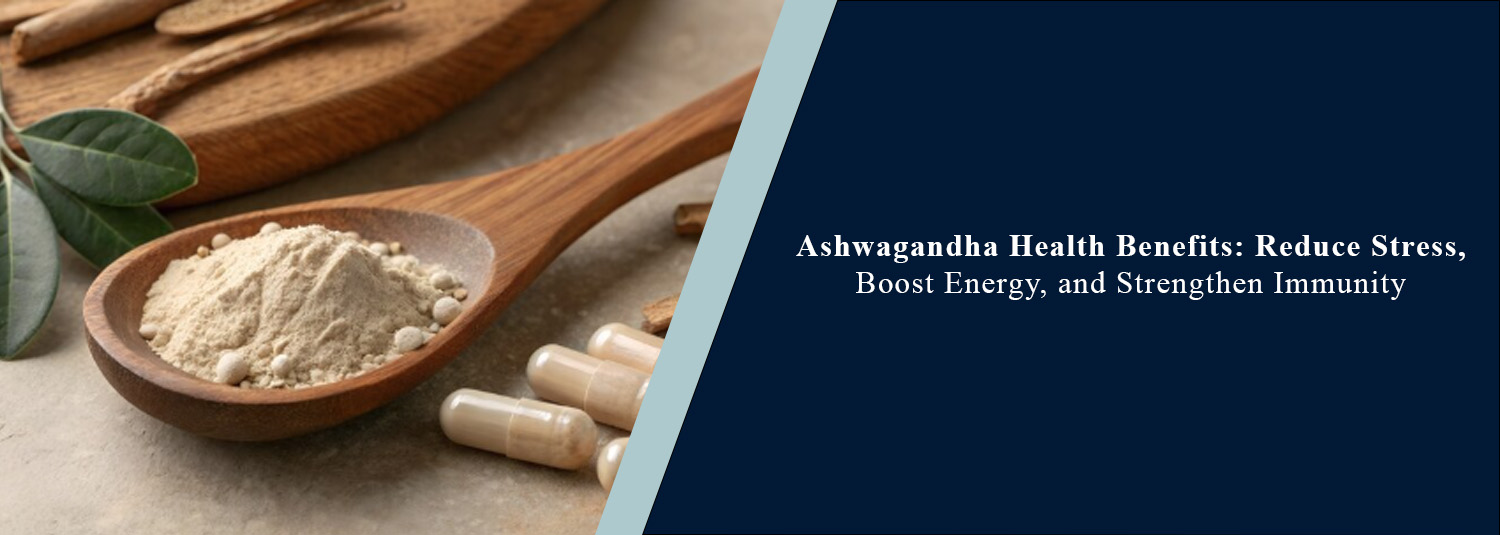
Ashwagandha (Withania somnifera) is a
traditional herbal remedy often used in Ayurvedic medicine. It is often
marketed to help with stress management, improve sleep, increase energy, and
support overall well-being. With its popularity increasing, many people are
looking into the health benefits of ashwagandha. Molecular Diagnostics and Therapy offers diagnostic and health information to help you make informed
health choices. Whilst some studies have shown that ashwagandha can provide
health benefits, there is still further research to be done, and it cannot be
used as an alternative to medical support. It depends on your own health and
medical history.
What Is Ashwagandha?
Ashwagandha is an evergreen shrub that
has naturally occurring compounds in the roots and sometimes leaves known as
withanolides. These are currently being studied to see if they can provide
antioxidant and anti-inflammatory benefits. It is often used as an adaptogen;
however, results can vary depending on the type and amount used.
Major Ashwagandha
Health Benefits
Many studies have been carried out to
determine the health benefits of ashwagandha. Whilst some results are
promising, many studies were of small sample sizes and short durations.
1. May Help Reduce
Stress
Many of the health benefits of
ashwagandha are related to helping with stress. Some clinical studies have
shown that taking certain types of ashwagandha extract can help reduce stress
feelings and cortisol levels. Cortisol is a hormone that can be released during
times of stress. Chronic stress can affect your sleep, mood, and overall
wellbeing. Whilst it can help make some people feel more relaxed, it should not
be used as a sole treatment for chronic stress, anxiety, or other mental health
conditions.
2. May Support Better
Sleep
Good quality sleep is important for our
physical and mental wellbeing. Some research has shown that ashwagandha can
help people who struggle to sleep fall asleep, sleep for longer, and improve
the quality of sleep. Due to its potential effects on stress, it can improve
your sleep. However, there can be many reasons as to why someone struggles to
sleep. If you are struggling with chronic insomnia, please speak to a
healthcare professional.
3. May Help Improve
Energy Levels
Ashwagandha is often marketed to help
increase energy and reduce tiredness. Some studies have shown that taking
certain extracts can improve tiredness and overall wellbeing. However, if you
are always feeling tired, this could be due to other conditions such as
anaemia, thyroid problems, diabetes, diet issues, or lack of sleep. If you are
taking herbal supplements without knowing what the cause is, it could delay you
receiving the correct help.
4. May Support
Physical Performance
Some studies have looked into how
ashwagandha can help improve strength, physical performance, and recovery. Some
studies have shown that taking ashwagandha can help improve muscle strength and
physical performance in adults undertaking resistance training. However, there
is not much evidence, and results can vary depending on the type of extract,
study duration, and type of exercise. It should not be used as an alternative
to a healthy diet, regular exercise, and adequate recovery.
5. May Have
Antioxidant Properties
Ashwagandha contains natural compounds
such as withanolides, which have been shown to provide antioxidant benefits in
laboratory studies. Antioxidants help to protect cells in our bodies from
damage caused by unstable molecules known as free radicals. Whilst interesting
from a scientific point of view, there is not enough human research to
determine if taking ashwagandha supplements provides real antioxidant benefits.
6. Ashwagandha and
Immunity
Having a healthy immune system can help
to protect us from infection and help us recover. Sometimes it can be marketed
to help boost immunity due to its potential effects on inflammation and the
immune system. However, there is not enough reliable clinical evidence to show
that it can help prevent infection or improve immunity in healthy individuals.
Eating a healthy diet, getting adequate sleep, some exercise, and ensuring you
are up to date with recommended vaccinations is important.
How Is Ashwagandha
Consumed?
There are many forms of ashwagandha
available. Root powder, capsule, tablet and liquid extract. The concentration
of active compounds can vary greatly. There is no recommended dose. Different
forms and doses have been used in studies. If you are considering taking it as
a supplement, please speak to a qualified healthcare professional. This is
especially important if you are taking regular medication.
Possible Ashwagandha
Side Effects
Whilst some people can tolerate
ashwagandha in the short term, there can be some side effects. Common side
effects include:
- Stomach
discomfort
- Nausea and vomiting
- Loose stools or diarrhoea
- Drowsiness
In rare cases, it can cause liver
damage. If you are experiencing symptoms such as yellowing of the skin/eyes,
dark urine, unusual itching, constant nausea, or stomach upset, please seek
help quickly. We do not know if ashwagandha is safe to take long-term.
Research has shown it can affect
thyroid hormones and interact with some medications. These include diabetes,
high blood pressure, thyroid issues, and immune-related conditions. It should
be avoided by pregnant and breastfeeding women. If you have thyroid issues,
autoimmune issues, liver issues, hormone-sensitive prostate cancer, or are
having surgery, please speak to a doctor.
Who Should Consult a
Doctor Before Taking Ashwagandha?
Herbal supplements are not suitable for
everyone. If you have existing health issues or are taking prescribed
medication, please speak to a healthcare professional. If you are experiencing
chronic issues with fatigue, sleep, unexplained weight changes, or hormonal
issues, please seek medical advice. They may want to carry out some tests to
determine what is causing your issues.
Supporting Your
Health with Molecular Diagnostics and Therapy
Molecular Diagnostics and Therapy is a
NABL and NABH-accredited diagnostic centre. We offer diagnostic tests to help
identify various health issues. If you are experiencing symptoms such as
chronic fatigue, unexplained tiredness, or changes in your overall wellbeing,
your doctor may want to carry out some tests based on your medical history and
symptoms. These can include thyroid function, blood glucose, full blood count,
and more. These can help to identify any potential issues and make informed
decisions. Herbal supplements should never be used as an alternative to
prescribed medication. Please always speak to a qualified healthcare professional.
Conclusion
Ashwagandha has been traditionally used for many years and is currently being researched to see if it can help with stress, sleep quality, energy levels, and physical performance. Whilst some results are promising, there is little evidence to back many of the popular claims, especially around boosting immunity. It is important to be aware of the potential benefits, side effects, and interactions. Having a healthy lifestyle, following medical advice, and getting diagnosed quickly help keep you healthy overall.
Frequently Asked Questions
In News
Get Our Mobile App
for Easy Access
Book tests, view reports, and manage your health records on the go. Experience convenient healthcare with Molecular Diagnostics and Therapy.
- ✔ Book tests & home collection
- ✔ View reports instantly
- ✔ Track health history
- ✔ Get notifications & reminders
- ✔ Easy appointment management