High Blood Pressure: Causes, Symptoms, and Effective Treatments
Talk to Health Expert

Dr. Nikunj Jain
Co-Founder and HOD - Nuclear Medicine ,MBBS, DRM, DNB, FEBNM, FANMB, Dip. CBNC
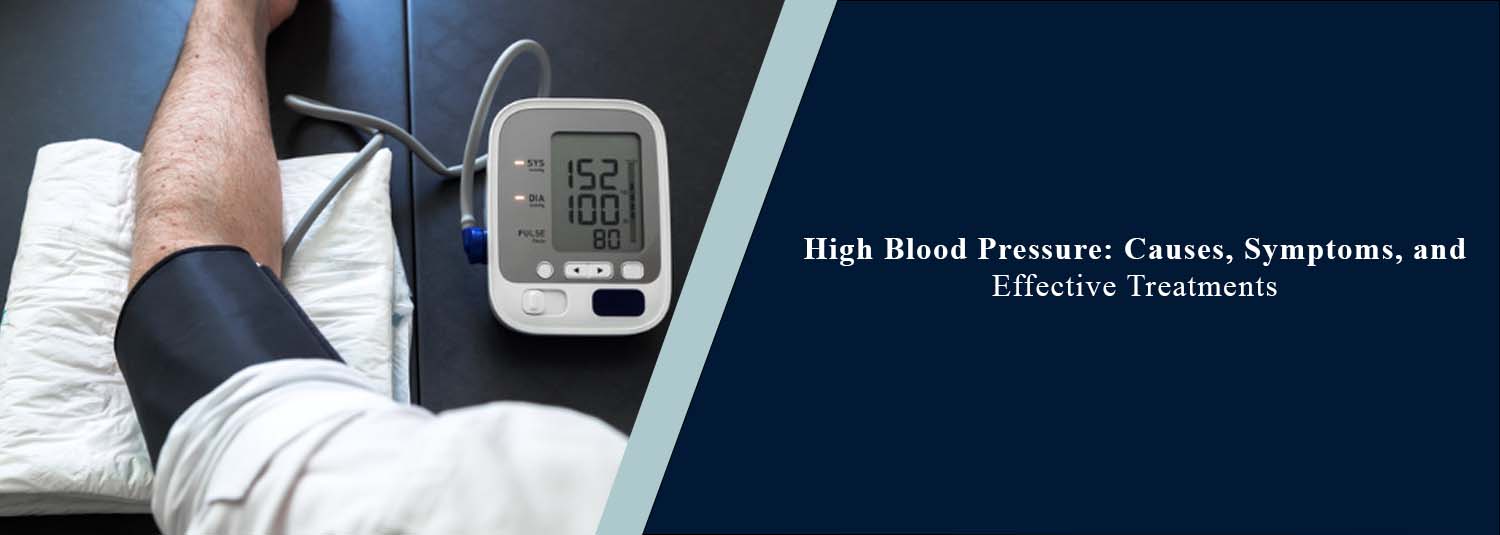
High blood pressure, or hypertension,
is a common condition that occurs when there is constantly high pressure in
your arteries. It is often referred to as a 'silent’ condition, as many people
do not experience any obvious symptoms. If left unmanaged, it can increase your
risk of developing heart disease, stroke, kidney damage, and other serious
medical conditions. Understanding the symptoms of hypertension, causes, and
regularly monitoring your blood pressure can help to manage the condition.
Molecular Diagnostics and Therapy helps encourage preventative healthcare by
offering diagnostic services to help identify key risk factors.
What Is High Blood
Pressure?
Blood pressure is a measure of the
pressure of blood in your arteries. It has 2 numbers; the first number is your
systolic pressure. This refers to how high your pressure is when your heart is
beating. The second number is your diastolic pressure. This refers to how high
your pressure is when your heart is at rest. Most adults have a reading below
120/80mmHg. If you are constantly getting high readings, you may have
hypertension. Multiple readings can be taken to make a diagnosis.
Common Causes of High
Blood Pressure
There are many reasons why people may
develop hypertension. Many people do not have an obvious cause and have
primary/essential hypertension.
Family History and
Age
Having a family history of high blood
pressure increases your risk of developing it. As you get older, your
likelihood of developing it increases as your blood vessels may become less
elastic.
Unhealthy Eating
Habits
Consuming too much salt can increase
your blood pressure. Eating too many processed foods, saturated fats, and
unhealthy snacks can affect your cardiovascular health.
Physical Inactivity
A sedentary lifestyle can cause you to
gain weight and increase your risk of hypertension. Regular exercise can help
keep your heart and blood pressure healthy.
Obesity and Excess
Weight
Being overweight can cause your heart
to work harder to pump blood around your body. This can increase your risk of
developing high blood pressure.
Smoking and Alcohol
Consumption
Smoking can cause damage to your blood
vessels and can cause temporary increases in your blood pressure. Drinking too
much alcohol can cause hypertension and increase your cardiovascular risks.
Stress and Poor Sleep
Long-term stress and poor sleep can
cause issues with your blood pressure. Having a sleep disorder such as
obstructive sleep apnoea can increase your risk of hypertension.
Underlying Medical
Conditions
Conditions such as kidney disease,
hormonal issues, and sleep apnoea can cause secondary hypertension. Some
medications can increase your blood pressure.
Common Symptoms of
Hypertension
Hypertension does not commonly cause
any symptoms. Many people are diagnosed with hypertension during routine
check-ups. Having extremely high blood pressure can cause headaches, dizziness,
blurred vision, chest pain, and breathlessness. However, these symptoms are not
specific and cannot be used to diagnose hypertension. If you experience severe
headaches, chest pain, difficulty breathing, changes in vision, and weakness on
one side of your body, you should seek urgent medical attention. If you have
extremely high blood pressure and signs of damage to your organs, this is a
medical emergency.
How Is High Blood
Pressure Diagnosed?
Regular monitoring can help to identify
hypertension. Your doctor may recommend different methods depending on your
readings, medical history, and general health.
Blood Pressure Test
A blood pressure test is a simple and
non-invasive test. It uses a blood pressure machine. A cuff is placed around
your upper arm and inflated. To get an accurate reading, you should try to stay
calm for around 5 minutes. Sit with your back supported and your arm at heart
level. Avoid caffeine, smoking, and exercising for around 30 minutes prior to
the test.
Home Blood Pressure
Monitoring
Your doctor may recommend monitoring
your blood pressure at home. This can be done using a validated automatic upper
arm blood pressure machine. This can help identify patterns.
Ambulatory Blood
Pressure Monitoring
This involves measuring your blood
pressure regularly for around 24 hours. This can help to identify if you have
white coat hypertension (elevated blood pressure in medical settings) and
masked hypertension (normal readings in clinic but elevated elsewhere).
Additional Diagnostic
Tests
Depending on your condition, your
doctor may recommend blood tests to check your kidney function, blood sugar,
and cholesterol. They may also recommend urine tests, ECG, and other
investigations.
Effective Treatment
Options for High Blood Pressure
Treatment for hypertension aims to help
manage your blood pressure and reduce your risk of long-term complications.
Depending on your readings, age, medical history, and any health conditions you
may have, you may be offered treatment.
Lifestyle
Modifications
Making positive lifestyle changes can
help manage hypertension. Try to reduce salt in your diet, eat a balanced diet
full of fruits and vegetables, maintain a healthy weight, and exercise
regularly. Adults are encouraged to try to do at least 150 minutes of
moderate-intensity exercise per week. Try to reduce alcohol intake, avoid
smoking, and manage stress.
Medications
If lifestyle changes are not enough,
your doctor may recommend medication to help reduce your blood pressure. Common
medications include diuretics, ACE inhibitors, angiotensin receptor blockers,
calcium channel blockers, and beta blockers. The type of medication you receive
depends on your individual health needs. It is important to take your
medication as prescribed. Do not stop or change your dose without speaking to
your doctor.
Regular Monitoring
Regular monitoring of your blood
pressure can help identify if your treatment is working. Follow-up appointments
and investigations can help your doctor make changes to your treatment.
Possible
Complications of Uncontrolled Hypertension
Having constantly high blood pressure
can cause damage to your blood vessels. This can increase your risk of having a
heart attack, heart failure, stroke, chronic kidney disease, and eye problems.
It can also cause damage to the blood vessels supplying your brain and other
important organs. Early identification and regular management can help reduce
your risk.
Supporting Preventive
Healthcare at Molecular Diagnostics and Therapy
Molecular Diagnostics and Therapy is an
NABL and NABH accredited diagnostic centre. We offer diagnostic services to
help with preventative healthcare. Regular monitoring of your blood pressure
can help to identify key cardiovascular risk factors. Your doctor may recommend
investigations such as blood sugar, lipid profile, and kidney function. This
should not be used as a substitute for clinical assessment but can provide
useful information.
Conclusion
High blood pressure is a common condition and can affect people of all ages. As it often doesn’t cause any symptoms, it is important to regularly monitor your blood pressure. Understanding the causes of hypertension, being aware of any warning signs, and receiving the correct treatment can help reduce your risk of serious complications. Making positive lifestyle choices, taking medication as required, and regular medical appointments can help many people manage their blood pressure.
Frequently Asked Questions
In News
Get Our Mobile App
for Easy Access
Book tests, view reports, and manage your health records on the go. Experience convenient healthcare with Molecular Diagnostics and Therapy.
- ✔ Book tests & home collection
- ✔ View reports instantly
- ✔ Track health history
- ✔ Get notifications & reminders
- ✔ Easy appointment management