Why Waist Circumference Matters for Health?
Talk to Health Expert

Dr. Nikunj Jain
Co-Founder and HOD - Nuclear Medicine ,MBBS, DRM, DNB, FEBNM, FANMB, Dip. CBNC
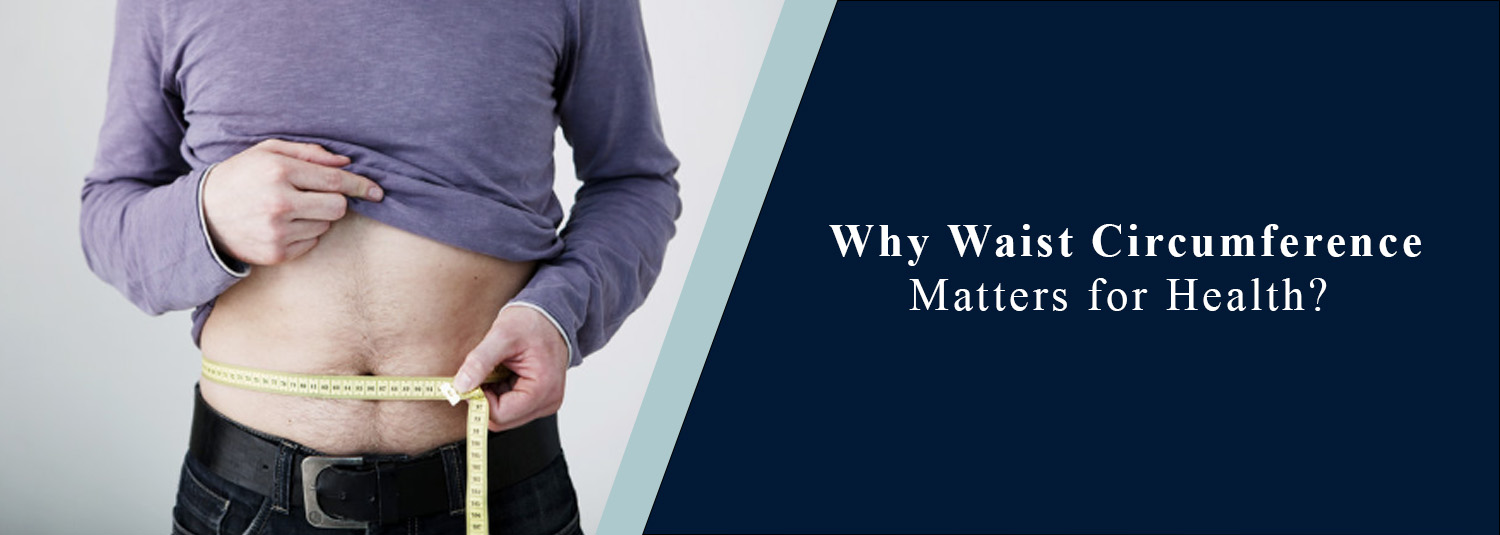
While many people just look at weight when judging health, weight gain or loss is only one measure of overall health. Although these measurements provide valuable information, they are not always sufficient to determine the location of fat stored on the body. Where the fat is located is as important as the amount, and waist circumference is one of the easiest and most important measures of health risk.
An expanded waistline can signify extra belly fat that's strongly associated with various persistent health issues such as heart disease, Type 2 Diabetes, elevated blood pressure, and metabolic syndrome. Waist circumference is easily measured and an inexpensive measurement used as part of a health assessment to help determine possible risk for health problems. In Molecular Diagnostics and Therapy, comprehensive preventive health checkup services are performed to take a look at everything from health indicators such as abdominal obesity and metabolic health.
What Is Waist Circumference?
Waist circumference refers to the circumference of the waist at the level just above the hips. Waist circumference is a good estimate of abdominal body fat, unlike BMI. This type of fat is called visceral fat and is different from subcutaneous fat under the skin. The fat surrounding the organs, namely "visceral fat," can be close to organs and accumulate enough to impact organ function. This is why waist circumference has been taken into account as a key indicator of metabolic health.
Why Abdominal Fat Is More Harmful
Body fat in different locations has different impacts on health. Fat tissue around the belly is more active metabolically than the fat in other parts of the body. It generates inflammation-causing molecules and hormones that are detrimental to blood-sugar regulation, cholesterol, and blood pressure.
When your body has too much visceral fat, it makes you more resistant to insulin, the hormone needed to provide energy. This can lead to the onset of type 2 diabetes over the years and elevate the risk of cardiovascular diseases. That's why an individual with a normal body weight but a large waistline could still be at a higher health risk.
Waist Circumference and Heart Disease
Numerous studies have shown that an increased waist circumference is associated with a greater risk of heart disease. Excess abdominal fat causes hypertension, poor cholesterol, inflammation, and narrowing of blood vessels. These modifications additionally set patients up for heart attack, stroke, and heart and blood vessel issues. When you measure blood pressure, blood tests (for cholesterol and blood sugar), and BMI, you are measuring the health of your heart.
Its Link to Type 2 Diabetes
Waist circumference is strongly linked to health issues, such as type 2 diabetes. Having a lot of belly fat can lead to insulin resistance. Insulin is less effective, so blood sugar levels start to go up. People with bigger waistlines are far more apt to have prediabetes and type 2 diabetes than those with smaller waistlines. Isolates of higher WC can serve as a signal to make healthy lifestyle changes prior to diabetes developing.
Understanding Metabolic Syndrome
Metabolic syndrome is a condition that involves a cluster of health problems that occur together and dramatically increase the chances of cardiovascular disease and diabetes. These factors include having a larger waist, high blood pressure, high blood sugar, elevated triglycerides, and low HDL (good) cholesterol. Multiple such risk factors bear down heavily on the body's organs and blood vessels. These risk factors can be identified early via health assessments and then dealt with promptly
How to Measure Waist Circumference Correctly?
Taking waist circumference measurements is simple, but they must be taken skillfully. Assess corset size using a flexible measuring tape around the waist, above the hip bones. The tape should be tight and not overlap the skin. Measure after you have breathed out normally; don't inhale or draw air in from the stomach. Constant measurement conditions may be recommended for the purposes of tracking changes over time, especially for use by healthcare personnel.
Healthy Lifestyle Habits That Reduce Waist Size
Losing belly fat means that it is a process and not a quick fix. A healthy diet emphasizing vegetables, fruits, whole grains, lean proteins, and healthy fats is essential for a healthy weight and metabolism. During normal aerobic and resistance training, one could quite easily lose some visceral fat and even gain some healthy muscle. A healthy waist and good health also depend on getting just the right amount of sleep, managing stress, and avoiding smoking and excessive drinking.
Why Is Regular Health Screening Important?
Measuring waist circumference is not a diagnostic tool for any medical condition, but rather isn't meant to draw a conclusion on the levels of concern that may prompt the exploration of further health evaluations. Regular health checks that involve blood sugar, blood pressure, lipids, and other tests provide a well-rounded, complete picture of health. Early detection is key to ensuring that individuals are given the opportunity to make positive lifestyle changes and to begin treatment (if required). People with a family history of diabetes, obesity, or heart disease are at especially high risk of being impacted by prevention efforts.
Small Changes Can Make a Big Difference
There are potentially noticeable improvements in health for even slight decreases in the waist. That's because a slight decrease in stomach fat helps moderate blood sugar, lower high blood pressure, improve cholesterol levels, and decrease inflammation. Such enhancements can reduce the risk of chronic illnesses and improve the quality of life. More important than just looking good, maintaining a healthy waist circumference should be considered a step towards good health in the long term.
Conclusion
Waist circumference is more than merely a measurement; it is an important measure of metabolic and cardiovascular health. Cardiometabolic and metabolic syndrome can be linked to the increased amount of belly fat, as well as other chronic diseases. Health checks are carried out on a regular basis, and waist circumference is assessed to provide information on health conditions and potential problems that could result in serious complications.
The following are essential for losing belly fat and ensuring good health: a healthy lifestyle, regular exercise, proper nutrition, and regular health checks. Molecular Diagnostics and Therapy enables a full work-up in advanced diagnostics to allow individuals to manage their health risks, avoid developing issues, and start their journey towards better future health.
Frequently Asked Questions
In News
Get Our Mobile App
for Easy Access
Book tests, view reports, and manage your health records on the go. Experience convenient healthcare with Molecular Diagnostics and Therapy.
- ✔ Book tests & home collection
- ✔ View reports instantly
- ✔ Track health history
- ✔ Get notifications & reminders
- ✔ Easy appointment management