177Lu-PSMA therapy – 200 mCi
₹250000
177Lu-PSMA Therapy, also known as Lutetium-177 Prostate-Specific Membrane Antigen Therapy, is a cutting-edge nuclear medicine treatment designed for patients with advanced or metastatic prostate cancer who have not responded well to conventional treatments such as surgery, radiation therapy, hormone therapy, or chemotherapy. This therapy uses a radioactive isotope (Lutetium-177) attached to a molecule that binds specifically to PSMA—a protein found in high levels on the surface of prostate cancer cells. By delivering radiation directly to cancerous cells, 177Lu-PSMA therapy targets and destroys tumors with minimal damage to surrounding healthy tissues. It is administered intravenously in multiple cycles, typically spaced 6–8 weeks apart, with the number of cycles ranging from 2 to 6, depending on patient response and clinical condition.
What is PSMA and Why is it Important?
PSMA (Prostate-Specific Membrane Antigen) is a cell surface protein that is significantly overexpressed in more than 90% of prostate cancer cases, particularly in metastatic or castration-resistant prostate cancer (mCRPC). This makes it an ideal target for imaging and therapy. The unique aspect of PSMA-targeted therapies is that they can selectively deliver therapeutic agents directly to prostate cancer cells, sparing normal tissue and enhancing treatment efficacy. 177Lu-PSMA-617, the most commonly used radioligand, combines Lutetium-177 (a beta-emitting radioisotope) with a PSMA-binding ligand, ensuring that the radioactive compound accumulates only where PSMA is present—primarily in prostate cancer lesions.
Who Can Benefit from 177Lu-PSMA Therapy?
177Lu-PSMA therapy is generally offered to patients who:
- Have metastatic prostate cancer, especially castration-resistant (mCRPC)
- Have failed or progressed after first-line treatments like hormone therapy or chemotherapy
- Have confirmed PSMA-avid disease, seen on PSMA PET-CT scans
- Are medically fit to undergo radionuclide therapy and can tolerate intravenous treatment
- Do not have contraindications such as severe bone marrow suppression or renal impairment
This therapy is personalized—meaning patient suitability is carefully evaluated through clinical history, laboratory reports, and PSMA PET-CT imaging before initiating the treatment cycle.
How is 177Lu-PSMA Therapy Administered?
The treatment is typically delivered in outpatient settings and involves systemic injection of the radioligand under the supervision of a trained nuclear medicine team. The general protocol includes:
- Pre-Therapy Evaluation
- Blood tests to assess renal, liver, and bone marrow function
- PSMA PET-CT scan to confirm PSMA-avid lesions
- Review of prior treatments and imaging studies
- Therapy Session
- 177Lu-PSMA is administered through an intravenous line
- The injection typically takes 10–15 minutes
- Post-injection, patients are monitored for a short time for any acute reactions
- Radiation safety instructions are given before discharge
- Treatment Cycle
- Patients usually receive 2 to 6 cycles, each spaced 6–8 weeks apart
- The total number of cycles depends on response to therapy and tolerability
- Follow-Up
- Clinical assessments
- PSA level monitoring
- Repeat imaging (such as PSMA PET-CT) to evaluate response
- Side effect evaluation and supportive care as needed
What are the Benefits of 177Lu-PSMA Therapy?
Patients undergoing 177Lu-PSMA therapy can experience significant clinical improvement, including symptom relief and better quality of life.
Key Benefits:
- • Targeted therapy – Directly binds to prostate cancer cells while sparing healthy tissue
- • Reduced tumor burden – Helps in controlling disease progression in metastatic cases
- • Pain relief – Especially beneficial for patients with bone metastases
- • Improved survival outcomes – Has shown promising results in clinical trials
- • Outpatient-based – Requires no hospital stay in most cases
- • Well-tolerated – Lower toxicity compared to traditional chemotherapy
What Are the Possible Side Effects?
While 177Lu-PSMA therapy is generally well-tolerated, some patients may experience mild to moderate side effects. These may include:
- Fatigue and weakness
- Mild nausea or vomiting
- Dry mouth (xerostomia) due to salivary gland uptake
- Temporary decrease in blood cell counts (anemia, leukopenia, thrombocytopenia)
- Rarely, renal impairment or liver function abnormalities
Most side effects are temporary and manageable, with appropriate supportive care.
Response Monitoring and Effectiveness
The effectiveness of 177Lu-PSMA therapy is typically measured through:
- Decline in PSA levels – PSA (Prostate-Specific Antigen) levels are monitored throughout the therapy
- Symptom relief – Especially pain reduction in bone metastases
- Follow-up PET-CT or other imaging – To assess disease status post-treatment
- Improvement in quality of life – Increased energy levels, appetite, and mobility
Studies have shown that over 60–70% of patients respond favorably to this therapy, with measurable drops in PSA levels and radiological evidence of disease stabilization or regression.
Precautions and Considerations
While the therapy is safe for most, certain precautions are necessary:
- Radiation safety – Patients are advised to limit close contact with pregnant women and small children for a few days
- Hydration – Encouraged before and after therapy to promote renal clearance of the radiotracer
- Routine monitoring – Blood tests are conducted before each cycle to monitor for bone marrow suppression or kidney issues
- Pre-existing conditions – Those with severe kidney or liver issues may need customized protocols
Conclusion
177Lu-PSMA Therapy represents a breakthrough in targeted treatment for advanced prostate cancer, especially for those who have exhausted conventional therapies. It harnesses the power of precision nuclear medicine, offering patients a chance to manage their disease effectively, with fewer side effects and improved quality of life. This innovative approach allows for personalized cancer care, aligning with the growing need for tailored and less toxic cancer treatment options. As research continues and accessibility expands, 177Lu-PSMA therapy is poised to become a cornerstone in the fight against metastatic prostate cancer.
Test information: Fasting: 2 hours
Reporting: Not applicable
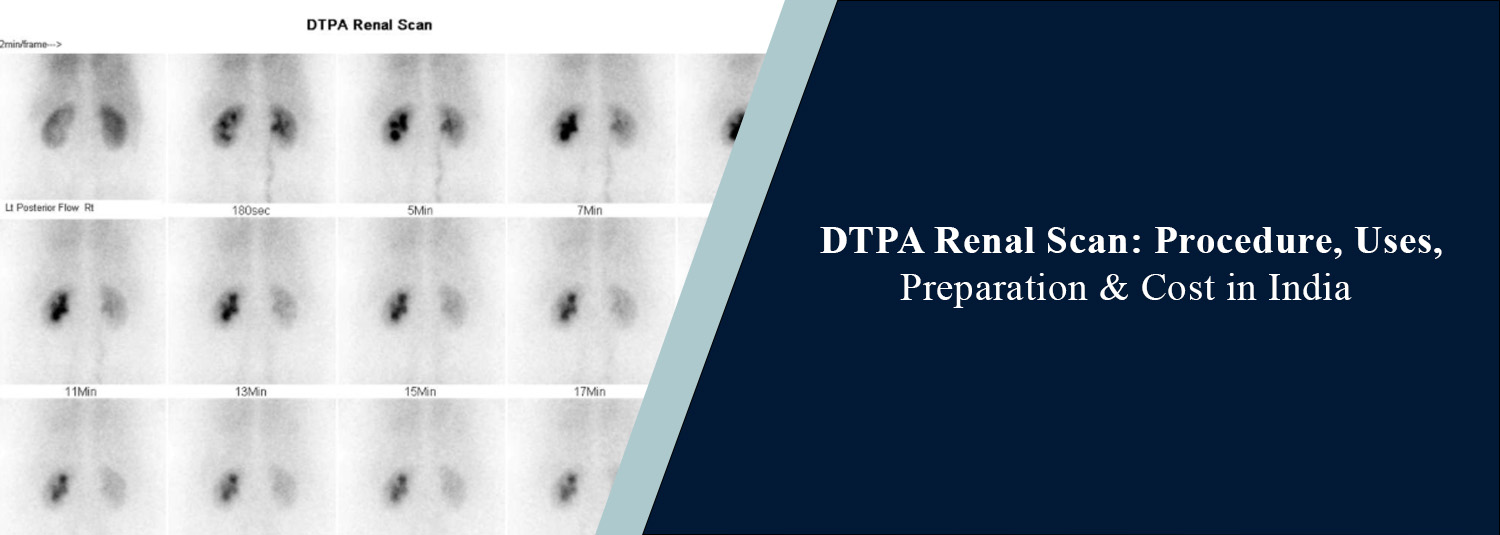
- In pre-work up, blood tests such as complete blood count (CBC), liver and kidney function tests (LFT, KFT), and serum electrolytes are to be carried out. The DTPA and salivary gland scans are performed to look for kidney and salivary gland functions.
- 68Ga-PSMA or 18F-PSMA PET/CT scan is done before and after every two cycles of 177Lu-PSMA therapy and after the entire treatment.
- After 177Lu-PSMA therapy, every 2–3 weeks (depending on baseline conditions), blood cell count should be checked for up to 12 weeks. The serum PSA level is also checked periodically as a follow-up.
- Every 6–8 weeks, basic liver and kidney profiles should be assessed.
- During the first 2 days after therapy, the high activity level is excreted. Patients are advised to avoid contamination of toilets and flush the toilet twice. Patients should wash their hands after urination.
- Patients should avoid soiling underclothing or areas around toilet bowls for 1 week following therapy. Considerably contaminated clothing should be washed separately.
- Incontinent patients should be catheterized before therapy, and the catheter should be kept for 2 days after that. Urine bags should be emptied frequently. • Gloves and protective clothing should be worn by the person caring for catheterized patients (or providing any care involving close contact).
Talk to Health Expert
Health Articles