How Does Obesity Increase the Risk of Diabetes and Heart Disease?
Talk to Health Expert

Dr. Nikunj Jain
Co-Founder and HOD - Nuclear Medicine ,MBBS, DRM, DNB, FEBNM, FANMB, Dip. CBNC
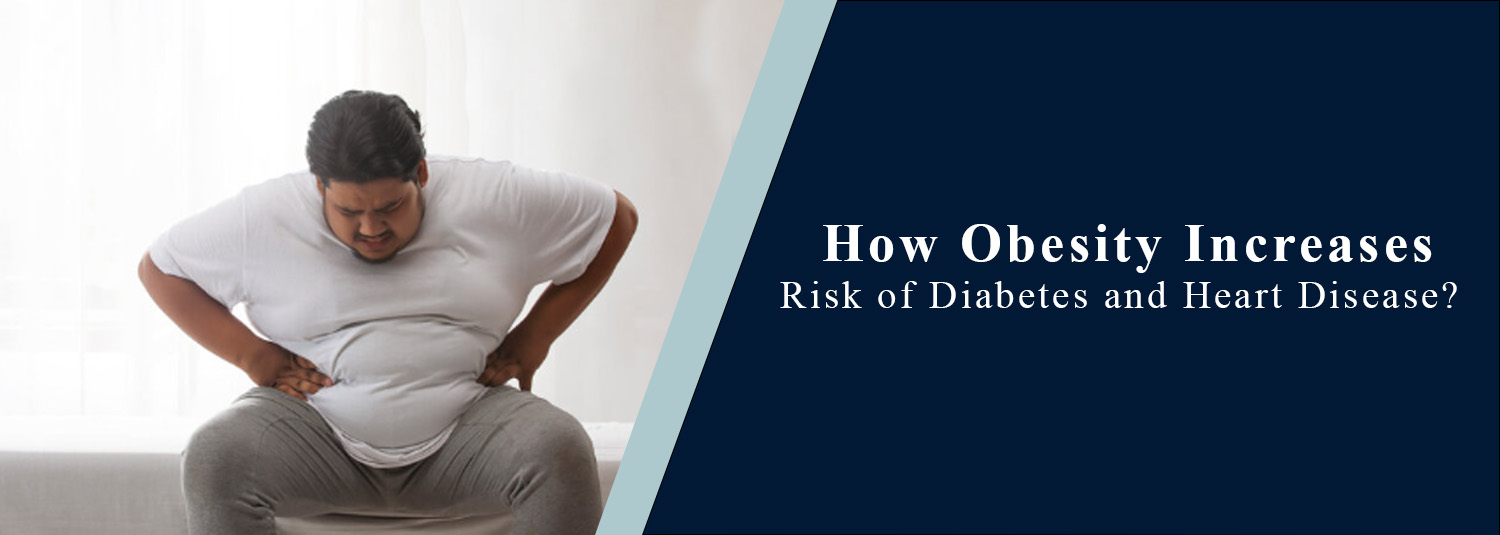
In today's times, obesity has become among the common health issues in the world. A host of modern lifestyles, unsound nutrition, lack of sleep, a sedentary lifestyle, and stress are responsible for causing more and more people to have excess amounts of body weight. Fatness is by no means a cosmetic issue but is actually a large medical issue, and can have a significant impact on overall health and a higher risk for any number of chronic conditions.
The effects of obesity are some of the worst and include diabetes and heart disease. Body fat is able to interfere with the normal function of bodily processes, imbalancing the hormones, contributing to inflammation, and placing stress upon the vital organs. Over time, such changes may lead to serious health problems, reduce your quality of life, and increase your risk of having a disability in the future.
It is not widely known that obesity can develop gradually, or that it can be extremely damaging, over many years, to the body before it can be easily detected. Early detection of health risks of obesity is of key importance if they are to be avoided. Molecular Diagnostics and Therapy offer patients the most precise and up-to-date information to help them in the diagnosis and monitoring of obesity-related diseases, enabling them to discover the risk of the disease early and monitor their health for a lifetime.
Understanding Obesity
Obesity is a health risk, an accumulation of more fat than is suggested by the body. Typically occurs when you consume more energy than you can burn off. Several factors lead to obesity:
Unhealthy diet
Physical inactivity
Genetic factors
Hormonal imbalance
Stress and emotional eating
Lack of sleep
Certain medications
Common measures that are used in practice as indicators of obesity are Body Mass Index (BMI), waist circumference, and total body fat distribution. Fat is stored around the body, particularly in the abdomen, which is termed as being ‘abdominally obese' and is particularly problematic because it is very associated with metabolic and cardiovascular diseases.
How Does Obesity Affect the Body?
Fat is a major issue for every organ system in the body. Obesity can lead to:
Increased inflammation
Hormonal imbalance
Insulin resistance
Increased blood pressure
Elevated cholesterol levels
Strain on the heart and blood vessels
Over time, these shifts can contribute to other more severe diseases such as diabetes, heart disease, stroke, fatty liver, and kidney disease.
Obesity and Diabetes Risk
One of the strongest links between obesity and Type 2 diabetes.
Insulin Resistance
The body requires insulin to get glucose into it and dispose of it. When an individual becomes obese, there can be a lessened response in the body's tissues to insulin, particularly in abdominal fat. This occurs when the body does not respond to insulin any longer. It's called "insulin resistance. Once insulin resistance occurs:
Blood sugar levels rise
The pancreas produces more insulin
Blood glucose regulation becomes impaired
The pancreas may eventually become inadequate at producing sufficient insulin to make up for this; then the result is Type 2 diabetes.
Abdominal Fat and Metabolic Changes
There are inflammatory substances that can be released around the abdomen by the fat that interfere with normal insulin action. This contributes to the risk of:
High blood sugar
Metabolic syndrome
Diabetes complications
Obesity is thus a significant factor in the pathogenesis of metabolic diseases.
Complications of Diabetes Linked to Obesity
With the onset of diabetes, if left uncontrolled, it can adversely impact several organs of the body. Possible complications include:
Heart disease
Kidney damage
Nerve damage
Vision problems
Poor circulation
Increased infection risk
That's why it's so crucial to start managing obesity at an early age and to remain vigilant about your health.
Obesity and Heart Disease
Cardiovascular disease is greatly associated with obesity. In the presence of excess body weight, the heart will have to work harder to circulate blood around the body. This additional stress over time can cause harm to the heart and blood vessels.
High Blood Pressure
Extra strain on the heart and the effect on the blood vessel walls may cause high blood pressure, which may cause fat overload. One of the most significant risk factors for high blood pressure is:
Heart attack
Stroke
Heart failure
Kidney disease
Hypertension is common in many people with obesity, but doesn't show any symptoms.
Cholesterol and Fat Metabolism
Obesity is often associated with abnormal cholesterol levels. People with obesity may have:
Increased bad cholesterol levels
Elevated triglycerides
Reduced good cholesterol levels
These changes can help lead to plaque formation within arteries and constriction of arteries, which leads to a decrease in blood flow to the heart.
Increased Risk of Heart Attack and Stroke
You probably can guess what this means: a greater risk of heart attack and stroke. Also, people who are obese and have metabolic syndrome are more likely to have blood clots. Therefore, obesity is considered an important modifiable risk factor for cardiovascular disease.
Obesity and Inflammation
One more factor that is related to obesity, diabetes, and heart disease is chronic inflammation. The inflammatory chemicals excreted by fat cells may lead to damage to blood vessels and impaired function of the required metabolism. Over time, inflammation plays a role in the development of:
Insulin resistance
Artery damage
Cardiovascular disease progression
Excessive body fat will increase inflammation within the body as well as be a threat to metabolic health; reducing body fat will help decrease this inflammation.
Importance of Early Health Screening
Obesity-related health problems occur gradually over time. Regular health checkups can help identify:
Elevated blood sugar
High cholesterol
Blood pressure changes
Fatty liver disease
Early heart disease risk
Early diagnosis means doctors can make recommendations for lifestyle changes and treatment prior to developing severe complications. Preventive health assessments and comprehensive laboratory testing at Molecular Diagnostics and Therapy play a key role in helping promote early detection of obesity-related disorders.
Lifestyle Changes for Prevention
It may take a lifetime of lifestyle changes to prevent the complications associated with obesity. Important measures include:
Healthy balanced diet
Regular physical activity
Weight management
Adequate sleep
Stress reduction
Avoiding smoking and excessive alcohol intake
Even modest weight loss may significantly improve blood sugar control and heart health.
Role of Advanced Diagnostics
New diagnostic methods are able to recognise the metabolic and cardiovascular risk factors of obesity at an early stage. Doctors can find out your long-term health risks more accurately by using blood testing, cardiac assessment, imaging assessments, and metabolic blood work.
Conclusion
Obesity is a significant health problem and is a risk factor for diabetes and heart disease. When the body has an excess of body fat, insulin is involved in a variety of other problems, including high blood pressure, elevated cholesterol, high inflammation, and cardiovascular health issues, which can have serious long-term consequences.
It can occur slowly and may not be noted until later in life. Thus, periodic health check-ups, a healthy lifestyle, physical activity, and early medical examination are essential for prevention and ensuring long-term health. Molecular Diagnostics and Therapy supports the determination and prevention of health risks and the correct monitoring of health, particularly for obesity-related screenings, diagnosis, and treatment, with advanced capabilities.
Frequently Asked Questions
In News
Get Our Mobile App
for Easy Access
Book tests, view reports, and manage your health records on the go. Experience convenient healthcare with Molecular Diagnostics and Therapy.
- ✔ Book tests & home collection
- ✔ View reports instantly
- ✔ Track health history
- ✔ Get notifications & reminders
- ✔ Easy appointment management