Balanced Diet Guide: What to Eat for Optimal Health
Talk to Health Expert

Dr. Nikunj Jain
Co-Founder and HOD - Nuclear Medicine ,MBBS, DRM, DNB, FEBNM, FANMB, Dip. CBNC
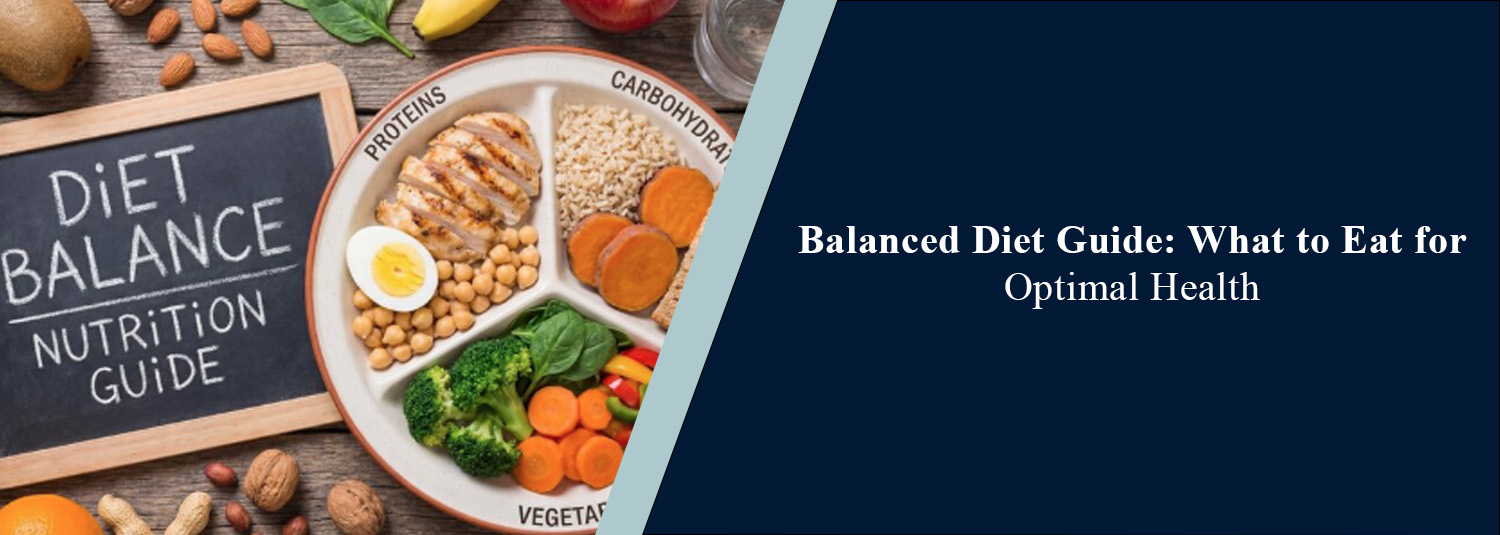
One way to get healthy is to take the
right steps in the right direction: Eating the right foods. A balanced diet
provides the body with the right mixture of nutrients needed to produce energy,
growth, immunity, and normal organ function. Eat foods from a variety of food
groups and not too dependent on any one food group. Healthy diets can
contribute to your health, weight maintenance, and lower your risk of
developing some lifestyle-related diseases.
Healthy eating is not a diet that
eliminates all the foods that are not considered to be healthy; it's also not a
diet that tells you that your favourite foods will never be back on your menu.
The secret is to know what your body requires and have a variety of nutrients
throughout the day. A nutritious diet plan is adequate and flexible for the age
group, activity group, and good health.
What Is a Balanced
Diet?
A balanced diet is the right amount of
carbohydrates, proteins, fats, vitamins, minerals, fiber, and water consumed.
All the nutrients have specific functions in health maintenance. Carbs provide
energy, proteins provide building and repair materials, healthy fats are the
make-up and internal structure of hormones/HGH, and absorption of nutrients.
Vitamins and minerals are an integral
part of your blood, bones, immune system, and metabolism. The bulk of the
liquid intake components are essential for nutrition, as in the case of fibre,
which serves as an aid for digestion, and of dietary fibre for regularity of
bowel movements, which are essential for normal functioning; water for
hydration and other normal body processes is also a nutrient requirement. The
requirements for nutrients are different for different people. Nutrient
requirements can change due to the person's age, activity, lifestyle, and any
ailments they may have.
Essential Components
of a Balanced Diet
A healthy diet should include foods from different food groups to
provide a wide range of nutrients.
1. Carbohydrates for
Energy
Carbohydrates represent one of the key
fuels of the body for energy. Consume items high in fiber and whole grain foods
and other less simple sources of energy. Whole grain foods are high in
nutrients and excellent energy choices; Opt for whole wheat, oats, brown rice,
millets, or whole-grain breads.
2. Proteins for Growth
and Repair
Proteins perform a number of important
roles, including muscle repair and muscle growth, immune system functioning,
and bodily tissue health. Lentils, beans, chickpeas, kidney beans, paneer,
tofu, soya products, milk and curd are good sources of protein, as they are not
derived from meat. Foods rich in protein are called “No-meat” foods, such as
beans, tofu, paneer, kidney beans, lentils, milk, and curd. Protein will also
help one feel full.
3. Healthy Fats for
Body Functions
There are several reasons that fats are
important, including their ability to absorb some of the vitamins, protect the
organs and generate hormones. Add small amounts of nuts, seeds, and peanuts,
and use oils in small amounts as necessary. Avoid too much deep-fried and highly
processed, trans fat foods.
4. Vitamins and
Minerals for Overall Health
Vitamins & Minerals are vital to
the body. Pulses, nuts & seeds are a good source of different vitamins and
minerals than seasonal fruit, dairy & green leafy veggies. Vitamin C helps
maintain a healthy immune system, calcium helps maintain bone health, and iron
is necessary to help make haemoglobin.
5. Fibre for
Digestive Health
Fibre helps a person to eat easily and
to have a bowel movement. Fruits, vegetables, whole grain products and legumes,
nuts and seeds. Begin to feed fiber in small amounts and feed more water; these
will be useful for digestion.
The Role of Molecular
Diagnostics and Therapy in Preventive Healthcare
Nutrition plays an important role in
health care and therefore in prevention, although in some cases it is necessary
to carry out a medical evaluation for health problems related to nutrition.
Others can work against health and energy, even overall metabolism, and have a
negative impact on health; anemia, thyroid problems, diabetes, and vitamin
deficiencies are examples. Molecular Diagnostics and Therapy provides
diagnostic assays which can help to analyze different aspects of a person's
well-being.
The centre is expert in diagnostics and
imaging of patients, certified as NABL or NABH certified. Doctors may order
special tests to aid a diagnosis, if needed or if they have a further need,
based on the patient's signs and symptoms. Used: Medical evaluation and
management is done with connected diagnostic findings, and medical evaluations
are carried out by trained medical care specialists. A nutritionally sound
diet, regular preventive checks, and exercise are things that are good to do.
Conclusion
Personal nutrition and a balanced diet are key factors in providing personal health. Plenty of water, proteins, fats, fruits and vegetables, and whole grains are all essential to provide the body with the nutrients it needs. A balanced eating habits chart will assist in eating healthier and also help make healthier options easier. Remember, healthy eating is not a one-and-done concept; it's the best choice. It's all about variability, measurement, and consistency. For long-term health and well-being, eat healthy, be active, and get help from a professional where needed.
Frequently Asked Questions
In News
Get Our Mobile App
for Easy Access
Book tests, view reports, and manage your health records on the go. Experience convenient healthcare with Molecular Diagnostics and Therapy.
- ✔ Book tests & home collection
- ✔ View reports instantly
- ✔ Track health history
- ✔ Get notifications & reminders
- ✔ Easy appointment management