How to Prepare for Your First MRI Scan?
Talk to Health Expert

Dr. Nikunj Jain
Co-Founder and HOD - Nuclear Medicine ,MBBS, DRM, DNB, FEBNM, FANMB, Dip. CBNC
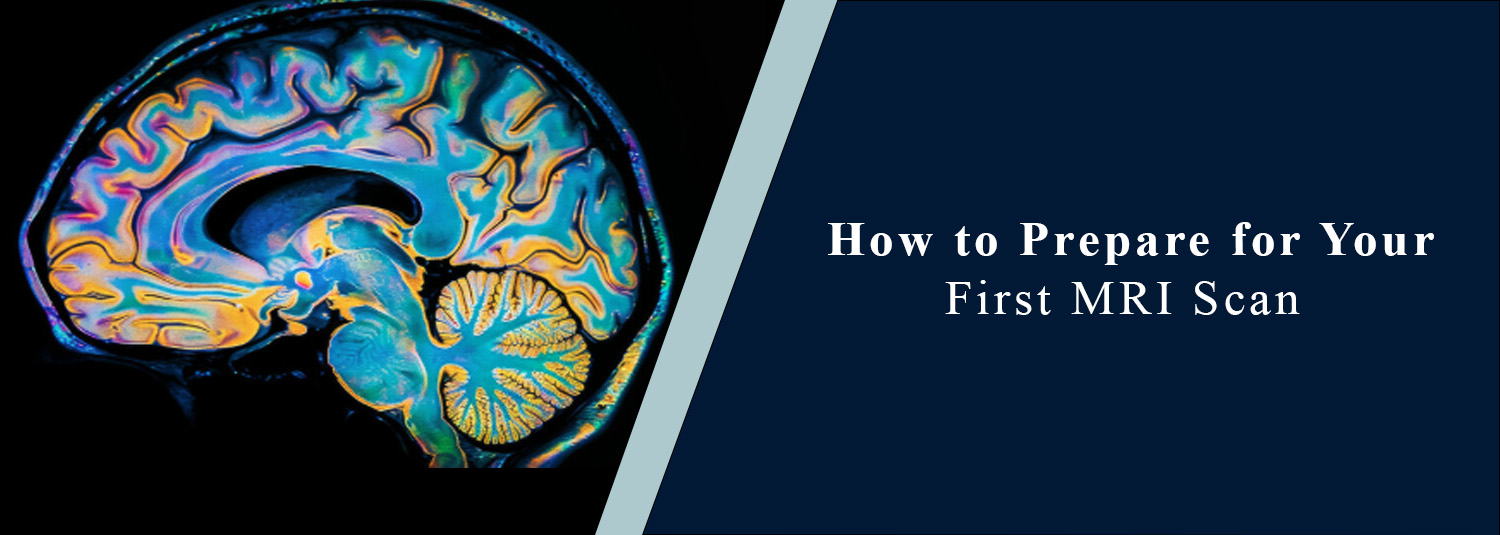
If you've been advised to have an MRI, then it might be natural to be somewhat anxious, especially if this is your initial MRI scan. There is a lack of clarity about what the operation includes, its duration, or what particular preparations, such as what they have to make before the surgery. A basic understanding helps to reduce anxiety and makes for a smooth and comfortable process.
Magnetic Resonance Imaging (MRI) is a non-invasive diagnostic imaging modality that uses a strong magnetic field and radio waves to generate extremely detailed images of soft tissues, joints, nerves, muscles, and organs. Heeding preparation rules can save time in the scan and can aid healthcare professionals in acquiring the ideal pictures. Molecular Diagnostics and Therapy has MRI practitioners who have a thorough understanding of the procedures and are able to provide all the information to the patient, ensuring the process remains safe, comfortable, and delivers the most accurate diagnoses possible.
What Is an MRI Scan?
MRI is an advanced imaging study that uses non-ionizing radiation to image the inside of the body. Even though MRI doesn't generate the same level of X-rays or CT scans, it's also really good at examining the brain, spine, joints, muscles, ligaments, blood vessels, and/or internal parts.
MRI scans are recommended to diagnose injuries, neurological conditions, tumors, infections, inflammation, and a variety of other medical issues. The images formed assist healthcare providers in making correct diagnoses and in drawing up treatment plans accordingly.
Understand Why the MRI Has Been Recommended
It is beneficial to know what your MRI scan is being performed for before the appointment. Your doctor may be able to tell you which area of the body they're working on and what they expect to see in the pictures.
An understanding of the reason for the scan can help you mentally prepare and understand why it is important to stay still during the scan. If you are unsure about the test, please discuss it with your healthcare provider in advance.
Inform Your Healthcare Provider About Medical Conditions
Let your doctor or imaging center know if you have any medical conditions or medical devices that were implanted first, before undergoing the MRI. Some medical devices, like pacemakers, cochlear implants, aneurysm clips, insulin pumps, or any metallic objects in patients' bodies, may need special procedures or other imaging techniques. Tell the doctors if you are pregnant, have kidney disease, or have had previous allergic reactions to MRI contrast dyes. The accurate medical information assists in ensuring the safe performance of the scan.
Wear Comfortable Clothing
Clothing should be loose, comfortable, and should not have any metal buttons, zippers, hooks, or decorative metallic parts of any sort; most imaging centers have such recommendations. Changing into a hospital gown may be required before the examination in many cases. Wearing comfortable clothes makes it easier to prepare and less likely to have metal influencing MRI images.
Remove All Metal Objects
MRI machines produce a strong magnet that pulls on metal objects. Jewelry, watches, hairpins, eyeglasses, hearing aids, belts, coins, credit cards, mobile phones, and removable dental appliances are to be removed before entering the scan room. Any metal object, no matter how small, can affect the picture or affect safety. Always follow the MRI staff's commands regarding personal belongings.
Follow Instructions About Food and Medication
Most MRI scans do not require fasting, and it is usually possible to have a regular diet before the scan. If your scan requires the use of contrast dye or if it involves looking at some abdominal organs, however, your doctor might recommend that you not eat or drink for several hours before the scan. Please take your normal medicine unless told otherwise by your doctor. In case of doubt about whether to have a meal or take medicines before the scan, please call the imaging center before the procedure.
What Happens During the MRI?
At the time of the exam, you will be placed on a machine called an MRI table, which will slide gently into the MRI scanner. The amount of your body that goes into the scanner varies depending on the area being checked. When shooting images, the machine gives loud tapping, knocking, or humming noises.
Earplugs or headphones may be given to minimize the noise. The technologist is able to view and converse with you during the scan with an intercom system. This is important to remember because moving can smear the pictures, and they may have to be repeated when the scan is taken.
What to Expect After the Scan?
After an MRI, most patients should be able to get back to their regular daily routine right away. Drinking extra fluids may be recommended if contrast material has been given to aid its excretion from the body.
Sedated patients should have a family member or friend drive them home and not operate machinery until they have fully recovered. Images will be carefully scrutinised by a radiologist who will provide a thorough report to your referring doctor, who will discuss the results with you and any further actions required.
Conclusion
If your first MRI procedure is intimidating, this is because you aren't sure what to expect and aren't properly prepared. MRI is a safe and non-invasive imaging procedure that can be used to offer a wealth of information for the diagnosis of many types of medical conditions. Taking steps before, during, and after your scan to help ensure accurate results includes following your healthcare provider's instructions, wearing the right clothing, keeping metal objects out of your body, and taking a few moments to stay still.
Experienced radiologists, top-of-the-line imaging technology, and patient-centred care are provided at the advanced level of Molecular Diagnostics and Therapy with its Radiology services for the accurate diagnosis and comfort imaging experience.
Frequently Asked Questions
In News
Get Our Mobile App
for Easy Access
Book tests, view reports, and manage your health records on the go. Experience convenient healthcare with Molecular Diagnostics and Therapy.
- ✔ Book tests & home collection
- ✔ View reports instantly
- ✔ Track health history
- ✔ Get notifications & reminders
- ✔ Easy appointment management