EC Renal Scan (Ethylenedicysteine Renogram)
₹10000
Ethylenedicysteine Renogram (EC Renal Scan) is one of the nuclear imaging tests that help in determining the functionality, blood flow, and drainage of the kidneys. A radiotracer (Ethylenedicysteine, EC) is introduced into the blood, and it is rapidly incorporated by the kidneys.
It illustrates the working level of the kidney, compared to the position of an ultrasound or CT image. This shows whether the kidneys are working properly as well as whether the urine is flowing well into the bladder.
The EC renal scan is cost-effective because of its high accuracy, fast scans, and lower levels of radiation in comparison to the earlier renal tracers.
Techniques Used
- Dynamic Renal Imaging: Visualises tracer flow in the kidneys.
- Diuretic Renogram (EC + Lasix): Assesses for urinary obstruction.
- Split Function Analysis: Assesses function in each kidney.
- Time-Activity Curves: Measures uptake and drainage curves.
Benefits
- Enhances the functional evaluation of the kidneys.
- The earliest sign of obstructions and drainage issues.
- Non-invasive and safe.
- Low radiation exposure.
- Can be used on adults and children.
- Helps decide on surgery or other treatment.
Conditions Diagnosed
- Urinary tract obstruction.
- Hydronephrosis.
- Reduced kidney function.
- Renal artery perfusion abnormalities.
- Post-surgical complications.
- Renal transplant dysfunction.
- Congenital urinary tract abnormalities.
Risks and Considerations
Radiation Exposure
- Very low and considered safe.
Pregnancy
- Should be discussed with the doctor before the test.
Allergic Reactions
- Very rare with EC tracer.
Hydration
- Must be well hydrated for results.
Comparison with Other Imaging Techniques
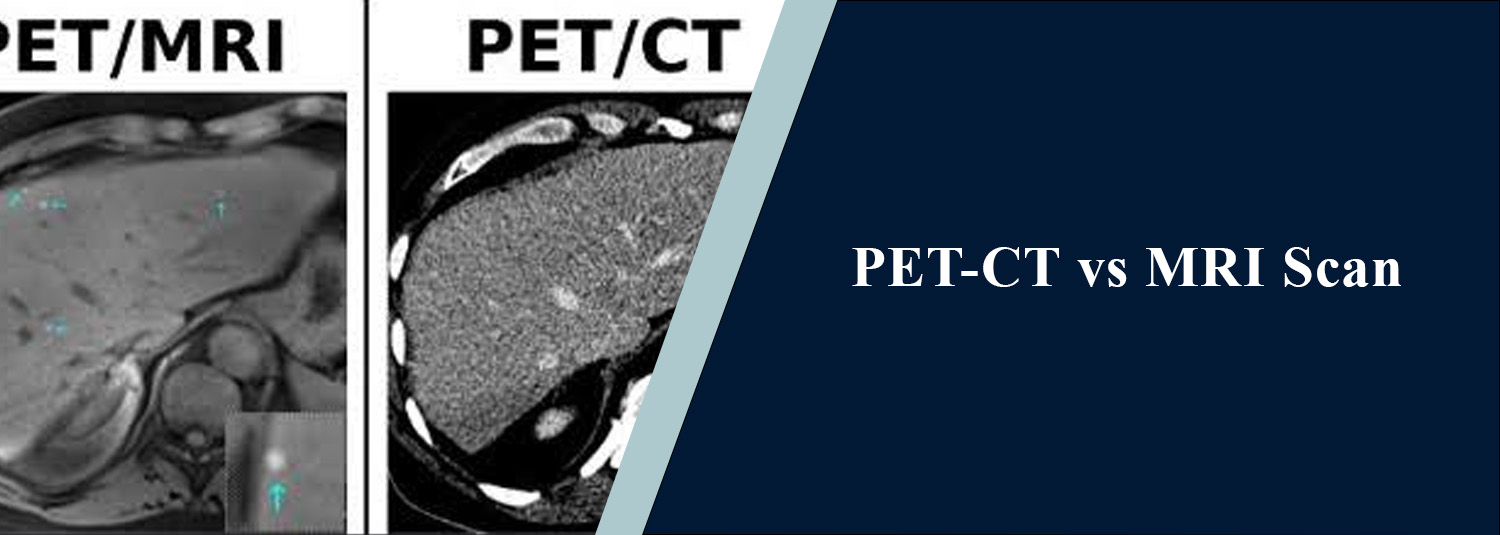
- Ultrasound: Structure but little function seen.
- CT Scan: Great anatomy, but uses radiation.
- MRI: Great anatomy, poor functional information.
- EC Renal Scan: Optimal for functional renal assessment.
Clinical Importance
EC Renal Scan is a valuable clinical nephrology and urology tool:
- Identifies the cause of hydronephrosis (obstructive vs non-obstructive).
- Assesses the activity in the two kidneys.
- Kidney performance is monitored with monitors.
- Helps prevents unnecessary surgeries.
It is one of the tests that are critical in kidney disease diagnosis due to its ability to provide functional information in real time.
Conclusion
EC Renal Scan (Ethylenedicysteine Renogram) is an easy, effective, and safe renal function and drainage imaging modality that is safe. It gives a thorough account of functional status, which can be detected and treated early.
The scan is a vital tool in advancing patient quality of life and the health condition of the kidney, whether it is to detect obstruction, hydronephrosis, or graft functioning.
Test information: No fasting required (unless advised)
Reporting: Within 24 hours*
Before the Scan
- No fasting is usually required (unless advised by your doctor).
- Drink plenty of water before the test (stay well hydrated).
- Inform your doctor if you:
- Are you pregnant or breastfeeding
- Have any allergies
- Are taking medications
You may be asked to empty your bladder just before the scan.
Talk to Health Expert
Health Articles