CT Kidney Scan: Purpose and Procedure
Talk to Health Expert

Dr. Nikunj Jain
Co-Founder and HOD - Nuclear Medicine ,MBBS, DRM, DNB, FEBNM, FANMB, Dip. CBNC
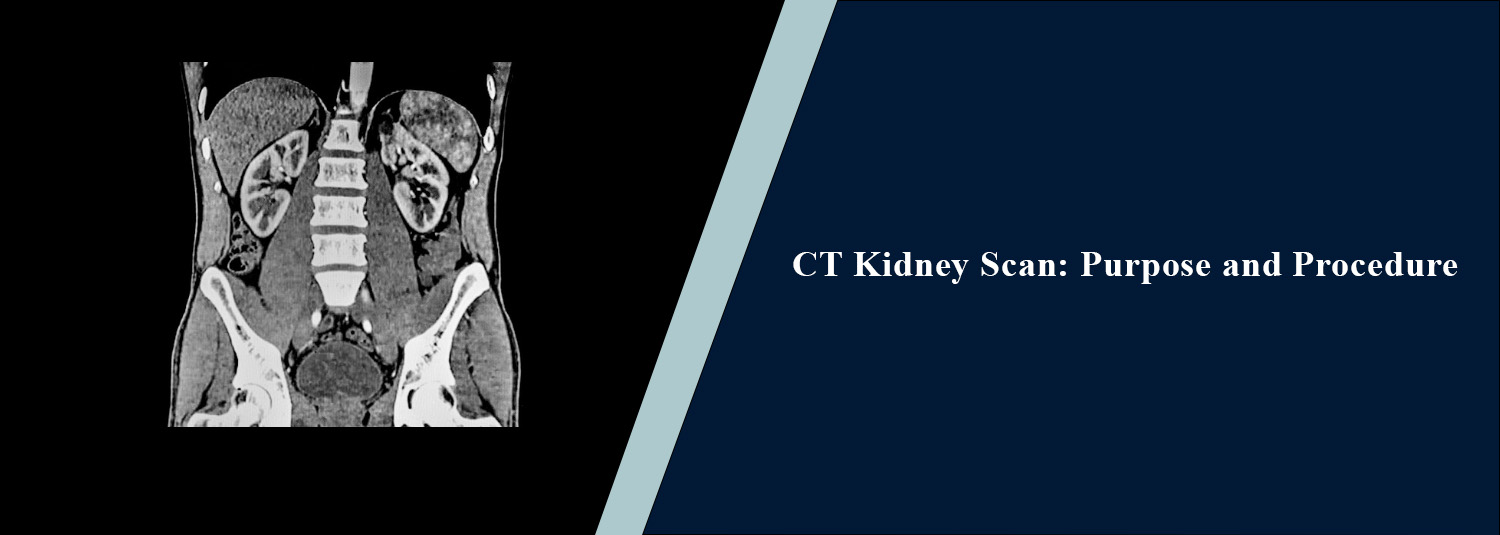
The kidney has several roles in regard
to maintaining the health of the body: It removes waste products from the
bloodstream; It helps to maintain a proper water balance in the body; It helps
to maintain proper mineral balance in the body. A CT scan of the kidney might
be recommended for anyone who has symptoms that could be caused by the urinary
system, including blood in the urine, pain that does not seem to go away in the
flank (side) or lower back, or other symptoms. Your provider may perform this
imaging study to get more information about the kidneys and other tissues that
may assist your doctor in determining whether there are structural
abnormalities of the kidneys and to determine what you should do about it. Molecular Diagnostics and Therapy provides diagnostic testing that helps in the
evaluation of several health conditions.
What Is a CT Kidney
Scan?
During a CT (computed tomography)
kidney scan, a powerful X-ray beam and computer technology create detailed
images of the kidneys. It may be able to indicate the location of the
surrounding organs, such as the ureters that direct urine from the kidneys to
the bladder. A CT Scan is like an X-ray, except it will provide a more detailed
image of the interior of the body. The exam could be performed with or without
contrast according to indications for the exam. The type of scan that the
doctor recommends will depend on what symptoms you are suffering, your medical
history, and what information the doctor would require.
Why Is a CT Kidney
Scan Performed?
If your doctor suspects there might be
some problem with your kidneys or bladder, he or she may order a CT scan of
your kidney. This is often associated with kidney stones that can result in
severe pain in the side or back, and with vomiting and blood in the urine. With
a CT scan, stones, the size of stones, and whether they block the passage of
urine can be identified.
A kidney infection (with suspected
complications); abdominal or flank pain, when no cause can be found; trauma or
abnormalities detected from other imaging scans, or an exam ordered to help
diagnose kidney infection. In some patients, it can be used to diagnose masses,
cysts, and other types of kidney abnormalities.
What Conditions Can a
CT Kidney Scan Detect?
CT scan of the kidney can be used to
find several kidney and nearby urinary tract problems.
One of the most prevalent indications
for this examination is kidney stones. A scan can help to reveal the location
and size of a stone and whether it is blocking the passage. It also might be used
to assess cysts, masses, blockage of urinary flow resulting in swelling, and
some complications of kidney infections. If kidney injury is thought to occur,
CT imaging can aid in determining the level of damage. But a CT scan isn't
enough to identify all types of kidney disease. Depending on the problem
suspected, the doctor may order urine tests, blood tests, and/or an ultrasound
or other diagnostic tests.
How Is a CT Kidney
Scan Performed?
Prior to the scan, the imaging team may
ask the patient if they have certain symptoms, medical history, current
medications, and previous imaging reports. The patient then rests on a scanning
bed, normally face up. The table moves through the CT scanner, which is able to
create pictures of the kidneys and the surrounding tissues. The patient might
be instructed to briefly pause his or her breathing to minimize movement and
produce sharper images.
Some kidney CT scans use contrast dye,
usually injected into a vein, which helps show blood flow, kidney tissue, and
certain abnormalities. Contrast may help assess kidney tissue, blood vessels,
and certain abnormalities. Not all kidney CTs need to have contrast dye. This
varies according to the clinical use. The overall time required for preparation
and contrast may increase the total time for the scan, but the actual scan
usually is relatively brief. After the entire exam, a radiologist reviews the
images and sends a report to your doctor.
How Should You
Prepare for a CT Kidney Scan?
It depends on the type of CT scan to be
performed. Some tests will require no preparation, and in some cases there are
specific instructions they will provide prior to the test about food and drink.
A patient with kidney disease, any concerns, or previous reactions to the
contrast dye, allergies, or medication should let the doctor know. Prior to
administration of the contrast, the medical staff may choose to test kidney
function if appropriate.
Inform the doctor or technologist that
you or your partner might be pregnant as CT requires the use of ionising
radiation. During the interview, it is good to discuss the conditions of the
prescription and report from previous consultations. Do not stop or change any
medication unless directed to do so by your doctor.
What Are the Benefits
of a CT Kidney Scan?
A CT scan of the kidneys can give a
detailed image to aid in the diagnosis of some kidney-related symptoms. It is
capable of detecting kidney stones, determining if there is a blockage, and
identifying structural differences that are not easily seen from a standard
X-ray. A scan can sometimes also help the doctor assess how serious an injury
or abnormality is. It could be a valuable source of information in emergency
situations. It depends on the patient's condition and the type of imaging test
to use. In some cases, ultrasound is adequate and could be used if preference
is given to it because of the absence of ionising radiation.
What Are the Risks of
a CT Kidney Scan?
A CT scan of the kidneys is an X-ray
scan which does expose you to ionising radiation. The exam is encouraged if the
benefits of the examination are greater than the risks. There is a very slight
chance of an allergic-type reaction if the contrast is present. There are some
kidney disorders that may need further investigation before being given
contrast. Give the imaging staff a full medical history so they can choose the
safest approach. Generally, the exam does not hurt. Be sure to read and follow
the instructions before the scan, and be sure to let the medical staff know of
relevant health conditions ahead of time.
What Is the Cost of a
CT Kidney Scan?
The cost of a kidney CT scan may vary
from one diagnostic center to another, mostly because of variations in the type
of CT scan, whether it requires using contrast dye, and whether the center also
offers reporting services. The level of difficulty for the exam and, possibly,
extra imaging needs can likewise impact the ultimate cost. To keep patients
informed on the current pricing, availability, appointment schedules, and
accreditation details, patients are encouraged to contact Molecular Diagnostics and Therapy. The team can make available information regarding imaging services
and preparation requirements.
Conclusion
The CT kidney scan is an important imaging test used to help assess kidney stones, urinary obstructions, injury, and other kidney mass abnormalities. It can give a detailed picture of the kidneys and associated organs that can be useful for diagnosis and treatment planning. The necessity for contrast and why it is necessary will be based on the patient's symptoms and medical history. Seeking the doctor's advice and following his/her recommendation helps to receive a proper examination.
Frequently Asked Questions
In News
Get Our Mobile App
for Easy Access
Book tests, view reports, and manage your health records on the go. Experience convenient healthcare with Molecular Diagnostics and Therapy.
- ✔ Book tests & home collection
- ✔ View reports instantly
- ✔ Track health history
- ✔ Get notifications & reminders
- ✔ Easy appointment management