CT Scanogram: Purpose, Procedure, and Risks
Talk to Health Expert

Dr. Nikunj Jain
Co-Founder and HOD - Nuclear Medicine ,MBBS, DRM, DNB, FEBNM, FANMB, Dip. CBNC
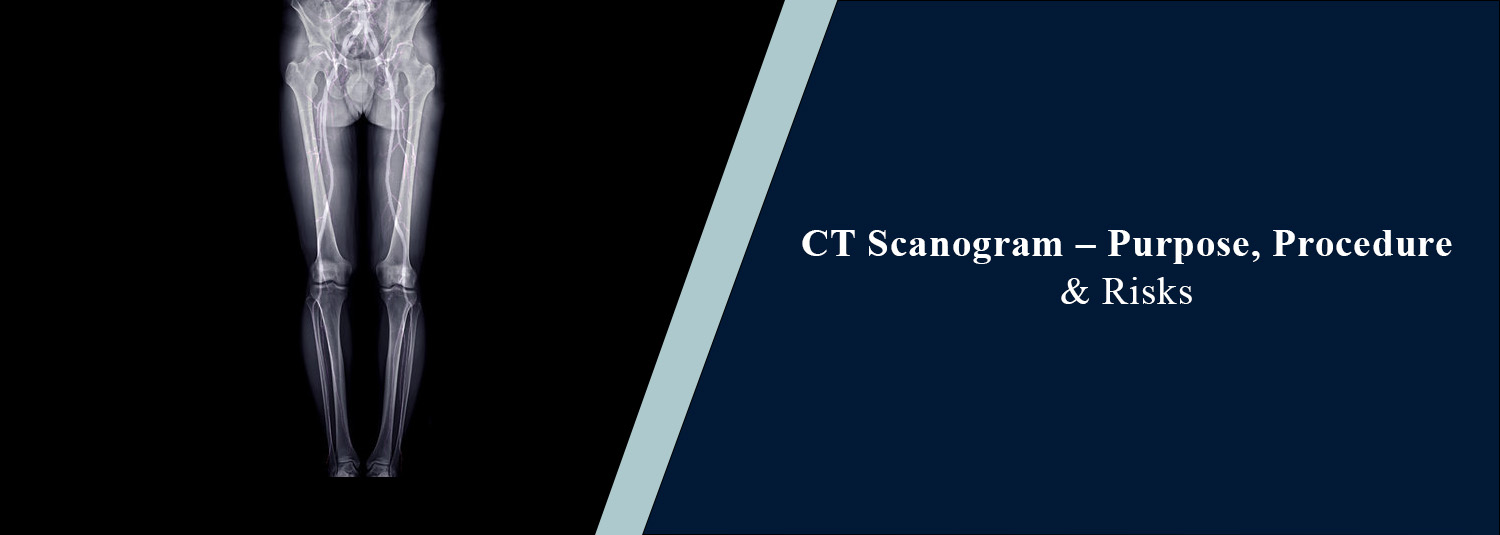
CT scanogram is an imaging method to
get the dimensions of bones, especially the legs. It lets physicians measure
the femur and tibia in each leg and compare the two sides. A ‘scanogram' is a
type of scan that is used to get measurements of the size of specific bones;
this is a different type of scan from a detailed, normal CT scan that can be
used to get images of the inside of the body. Depending on the patient's
condition and clinical need, the imaging technique can be different. MolecularDiagnostics and Therapy offers diagnostic imaging services to facilitate
patients and doctors in assessing medical conditions and planning therapy.
Why Is a CT Scanogram
Performed?
A doctor may order a CT scanogram if he
or she thinks that one leg is shorter or longer than the other. A leg can be
shorter than the other from birth, or become so after injury, infection, growth
disturbance, or bone disease. The exam may also give insight into selected bone
deformities and help in planning some orthopaedic procedures.
In certain instances, it can be used to
assess bone healing after limb-lengthening or other orthopaedic treatment. Not
all people suffering from pain in the leg or trouble walking will need a CT
scanogram. Whether or not it is appropriate is decided by the doctor's clinical
judgment with consideration of any symptoms, exam findings, and medical
history.
What Conditions Can a
CT Scanogram Help Identify?
A CT scanogram can provide accurate
measurements of differences in the length of the leg bones. These differences
can impact walking, posture, and weight distribution through the joints. This
examination can be helpful when bone length has been affected by previous
fractures or other orthopaedic problems.
It can also provide measurements that
help plan treatment when bone alignment needs correcting. A CT scanogram is not
used to find the cause of every case of leg pain or difficulty walking.
However, the results need to be read in conjunction with the symptoms and other
clinical examination.
How Is a CT Scanogram
Performed?
Prior to the exam, the imaging team
will ask for the patient's medical history, past treatment of injuries, and
previous imaging reports. The patient is then placed on the imaging table for
imaging using the specified scanning protocol. The scanner is able to take
pictures of the bones and anatomical structures of interest.
The patient might need to hold still
during the exam to create an accurate picture and measurement. The entire scan
is normally performed in a rather short time, though the total time will vary
by the type of scan and positioning demands. Once the images have been
acquired, a radiologist reviews the images and sends a report to the referring
doctor.
Is Preparation
Required Before a CT Scanogram?
The preparation is generally very easy,
and very few scanogram exams require fasting. Patients must follow the advice
of their doctor or diagnostic centre, however. Bring your prescription,
previous imaging reports, and medical records. CT imaging also exposes patients
to ionising radiation and should be communicated to the physician if the
patient is pregnant or is of childbearing age and suspects she or he may be
pregnant. Specific preparation requirements vary depending on the type of
examination and the patient's health.
What Are the Risks of
a CT Scanogram?
A CT scanogram is a radiological
procedure using X-rays that expose the body to a relatively low dose of
ionising radiation. The examination should be carried out when clinically
indicated, and appropriate procedures should be followed to minimise radiation
exposure to the lowest possible level.
Pregnant or potentially pregnant
individuals should tell their physician prior to the scan. The doctor is able
to determine the necessity of the examination and, when appropriate, discuss
alternatives. It is relatively painless and usually doesn't need any
injections. The exact technique and the radiation dose can vary with the
protocol used.
What Is the Cost of a
CT Scanogram?
The price of the CT scanogram may
differ based on the diagnostic centre, location of the imaging, the imaging
method and reporting needs. Depending on the utilization of other measurements
or specialised imaging protocols, this may also have an impact on the cost.
Patients can contact Molecular Diagnostics and Therapy directly for up-to-date
pricing and appointment availability. The team can explain the test and what it
involves (and what is required before the test).
Conclusion
CT scanogram images can help measure bone length and compare the differences in length of a limb. It may aid a doctor in determining the correct treatment for certain orthopaedic conditions and helping them plan the right care. Before the exam, patients should understand its purpose, follow the preparation guidelines, and discuss any questions or concerns they may have with their doctor.
Frequently Asked Questions
In News
Get Our Mobile App
for Easy Access
Book tests, view reports, and manage your health records on the go. Experience convenient healthcare with Molecular Diagnostics and Therapy.
- ✔ Book tests & home collection
- ✔ View reports instantly
- ✔ Track health history
- ✔ Get notifications & reminders
- ✔ Easy appointment management