How to Prepare for a DTPA Scan: Complete Patient Guide?
Talk to Health Expert

Dr. Nikunj Jain
Co-Founder and HOD - Nuclear Medicine ,MBBS, DRM, DNB, FEBNM, FANMB, Dip. CBNC
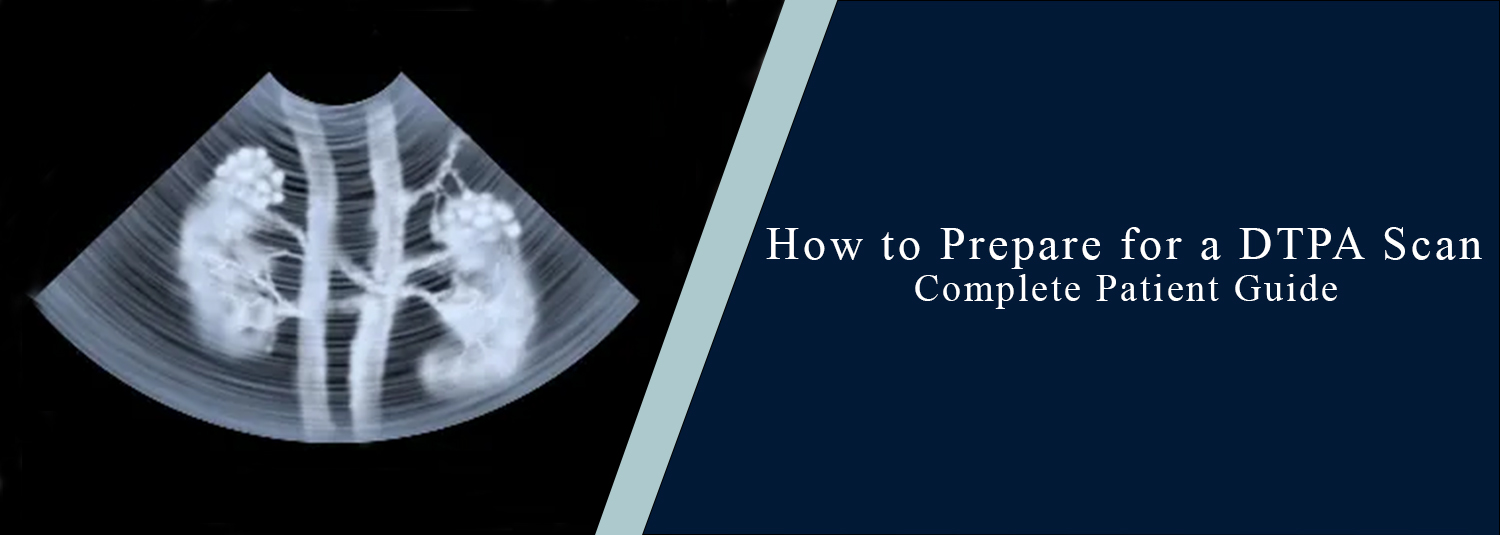
A DTPA scan is used to examine the efficient performance of your kidneys. You may be interested or anxious when your doctor told you that you should have one. The positive aspect is that it is a painless, painless and easy test. The understanding of how to prepare might assist in the delivery of good results and enable the day to be easier.
What Is a DTPA Scan?
In a DTPA scan, a radioactive tracer in a small amount is used. The tracer is put into a vein. It flows through your kidney, enabling the doctor to monitor blood flow, filtration, and drainage. The test is used to locate such issues as hydronephrosis, blockages, and it may be used to test the functionality of your kidneys post transplant.
Why Preparation Is Important?
Preparation to scan is not difficult, yet it is important to have good results. Such factors as the amount of water you consume or the prescription drugs you use may modify the work of the tracer. Preparation provides clearer images, superior diagnosis, and can prevent re-testing.
Hydration Before the Scan
Ensuring that you drink sufficient water is the most significant. When your kidneys are healthy, they require fluid to be effective, as well as allow the tracer to move through the urinary system without problems. It is usually advised that most patients should have taken several glasses of water before the test unless the physician indicates otherwise. The well-hydrated state of the images enhances the quality of the scanned images.
Do You Need to Fast?
The majority of people do not need fasting to get a DTPA scan. In some cases, a doctor might order you to wait to eat or have a drink, with regard to your health or the regulations of the clinic. You should never disobey what you are told by your doctor. When you are uncertain, consult your medical professional in advance of the test day.
Medications and Medical History
Give a list of all your medicines to your physician. Some drugs may alter the scan results; those that affect the kidney functions or the blood pressure. Only under the advice of the doctor can you stop or change a medicine temporarily. Please tell the medical history so the doctor can read the images, including old kidney issues or surgeries.
What to Wear on the Day of the Scan?
Comfort matters during the procedure. You will be required to lie still for some time, so wearing loose and comfortable clothing is recommended. Avoid items with metal components, such as belts, zippers, or heavy jewellery, as they may interfere with imaging. In some cases, you may be asked to change into a hospital gown.
The most important thing during a test is comfort. You will be required to lie still for a little while, so put on loose, easy clothes. Avoid items that can interfere with the images; metal items, such as belts, zippers, and heavy jewellery, should be left behind. The employees can request that you wear a hospital gown.
What Happens During the Scan?
You might just be requested to empty your bladder before the scan to allow a clear view of the pictures. Then a small amount of radioactive tracer is injected into your arm like a blood test pinch.
You will lie still on a table as a gamma camera follows the tracer through your kidneys. It is pain-free and lasts approximately 30 to 60 minutes. In some cases, a diuretic medication is administered to see the flow of urine, assessing the possibility of its inhibition.
After the Scan: What to Expect?
Soon after the scan, you will return to normal daily activities and life. In order to get the tracer out of the body, doctors usually recommend drinking lots of fluids. There can also be an increase in the frequency of urination than usual during several hours; this is normal and accelerates the excretion of the radioactive material.
Safety and Side Effects
A DTPA scan is very safe. The radiation exposure is very small, and it is within medical standards. The side effects are minimal, and allergic reactions are very unusual. In case you are pregnant, you are planning to have a baby, or you are breastfeeding, refer to your doctor first, so that the right precautions can be undertaken.
Managing Anxiety Before the Scan
Naturally, one may become a bit nervous before a medical test. Being aware of what is coming can be of much help. DTPA scan is not very invasive, fast and performed by well-trained doctors and nurses who will take care of you. It is more comfortable to remain calm and knowledgeable.
Conclusion
A DTPA scan is a very easy but vital preparation that is necessary. Take plenty of water, talk to your physician, and be informed. Under proper preparation, you can feel confident and assist doctors on the proper results to get in order to lead your kidney care.
Frequently Asked Questions
In News
Get Our Mobile App
for Easy Access
Book tests, view reports, and manage your health records on the go. Experience convenient healthcare with Molecular Diagnostics and Therapy.
- ✔ Book tests & home collection
- ✔ View reports instantly
- ✔ Track health history
- ✔ Get notifications & reminders
- ✔ Easy appointment management