Bone Scan Detecting Bone Metastasis, Infection, and Fractures
Talk to Health Expert

Dr. Nikunj Jain
Co-Founder and HOD - Nuclear Medicine ,MBBS, DRM, DNB, FEBNM, FANMB, Dip. CBNC
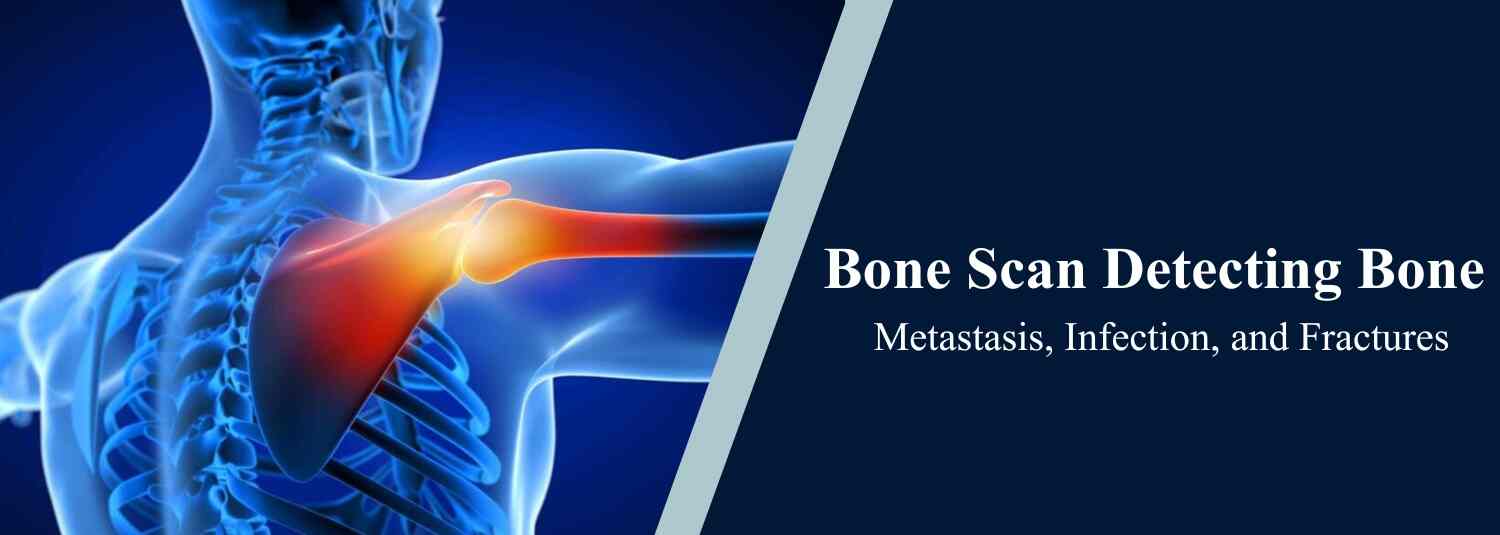
Bones form the strong framework of our body, but they can also be affected by cancer spread, infections, injuries, and other diseases. These problems are often difficult to detect on standard X-rays, especially in the early stages. In such cases, doctors recommend a Bone Scan, a highly sensitive nuclear medicine test that detects changes in bone activity.
At Molecular Diagnostics and Therapy, bone scans are performed using advanced gamma camera technology to ensure precise and timely results.
What Is a Bone Scan?
A bone scan is a nuclear medicine imaging test used to evaluate bone metabolism. It involves injecting a small amount of radioactive tracer into a vein. The tracer travels through the bloodstream and collects in areas where bone activity is increased.
Areas affected by infection, fractures, tumors, or cancer spread absorb more tracer and appear as “hot spots” on the scan images.
While X-rays show structural bone damage, a bone scan reveals metabolic changes, allowing doctors to detect problems much earlier.
Why Do Doctors Recommend a Bone Scan?
Doctors may recommend a bone scan for several reasons:
1. Detecting Bone Metastasis
Cancer from organs such as the breast, prostate, or lung can spread to the bones. A bone scan helps detect bone metastasis at an early stage, even before significant symptoms appear.
2. Diagnosing Bone Infection
Osteomyelitis (bone infection) can be difficult to identify early. A bone scan quickly highlights infected areas, allowing prompt treatment.
3. Identifying Hidden Fractures
Small hairline or stress fractures may not be visible on X-rays. Bone scans are especially useful for detecting these injuries in athletes and elderly patients.
4. Evaluating Unexplained Bone Pain
If a patient experiences persistent bone pain that cannot be explained by X-rays, a bone scan helps determine the underlying cause.
How Is the Bone Scan Procedure Performed?
A bone scan is simple, safe, and usually performed on an outpatient basis.
- A small amount of radioactive tracer is injected into a vein.
- The patient waits approximately 2–3 hours while the tracer circulates and binds to the bones.
- The patient lies on a table while a gamma camera captures detailed images of the skeleton.
The scanning process takes about 30–45 minutes. The test is painless, and most patients can resume normal activities afterward.
Bone Scan vs X-Ray
| Feature | Bone Scan | X-Ray |
|---|---|---|
| Detects Early Changes | Yes | Limited |
| Shows Bone Metabolism | Yes | No |
| Detects Small Fractures | Yes | Sometimes Missed |
| Whole Body Imaging | Yes | No |
| Radiation Exposure | Low | Low |
This comparison highlights why bone scans are particularly beneficial when early diagnosis is required.
Benefits of a Bone Scan
- Early detection of bone metastasis
- Whole-body skeletal evaluation in a single test
- Detection of infection and inflammation
- Identification of hidden fractures
- Helps guide cancer treatment decisions
Because it detects metabolic changes, a bone scan often identifies problems before structural damage becomes visible on X-rays.
Is a Bone Scan Safe?
Yes, a bone scan is safe. It uses a very low level of radiation, which is generally considered safe for patients. Allergic reactions are rare. Patients are usually advised to drink plenty of water after the test to help flush the tracer from the body.
Pregnant women should inform their doctor before undergoing the procedure.
How Does a Bone Scan Help in Treatment Planning?
Bone scan results play an important role in medical decision-making:
- If metastasis is detected, doctors may begin systemic cancer therapy.
- If infection is identified, antibiotics can be started immediately.
- If a fracture is found, appropriate orthopedic treatment can be planned.
Since the scan evaluates the entire skeleton at once, it provides a comprehensive overview of bone health.
Conclusion
A bone scan is a highly sensitive and valuable diagnostic test used to detect bone metastasis, infection, and fractures. Early detection allows doctors to start treatment promptly and prevent complications.
At Molecular Diagnostics and Therapy, we provide advanced nuclear imaging services to ensure accurate bone evaluation and better patient care.
Frequently Asked Questions
In News
Get Our Mobile App
for Easy Access
Book tests, view reports, and manage your health records on the go. Experience convenient healthcare with Molecular Diagnostics and Therapy.
- ✔ Book tests & home collection
- ✔ View reports instantly
- ✔ Track health history
- ✔ Get notifications & reminders
- ✔ Easy appointment management