Blood Sugar Test Fasting Rules You Must Follow
Talk to Health Expert

Dr. Nikunj Jain
Co-Founder and HOD - Nuclear Medicine ,MBBS, DRM, DNB, FEBNM, FANMB, Dip. CBNC
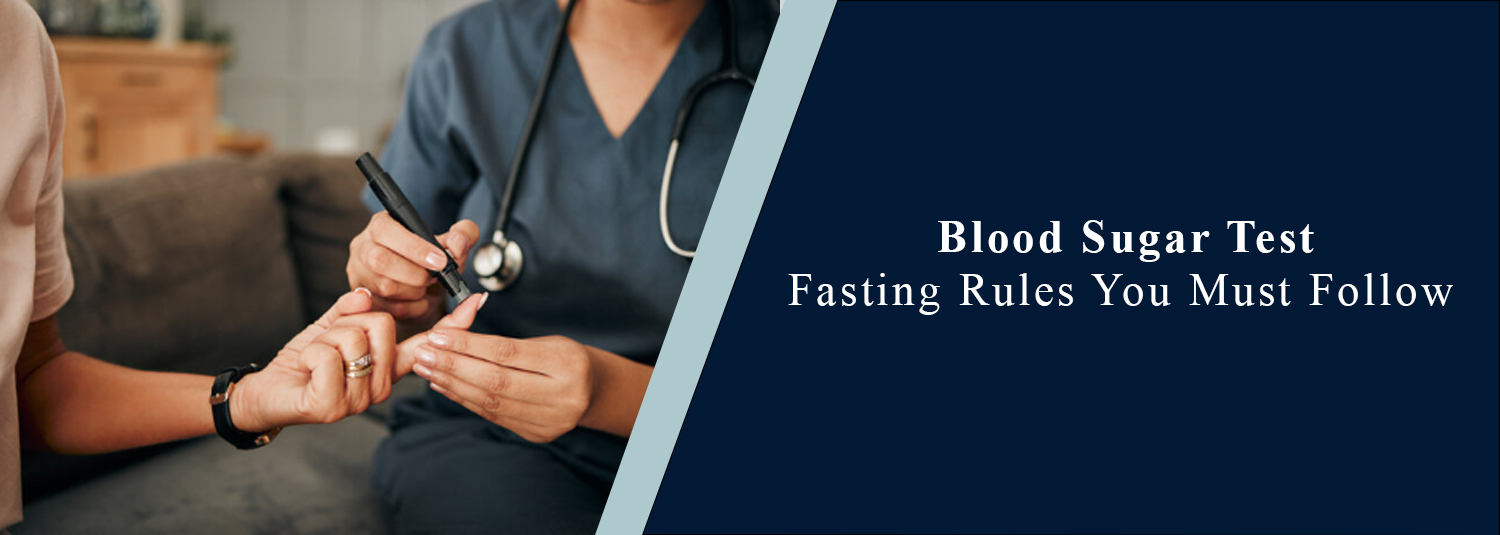
Testing blood sugar is an important part of diagnosing and tracking diabetes and other metabolic disorders. Fasting blood sugar is usually ordered to assess glycemic control following a several-hour fast. This test is very easy to do, but correct fasting is very important to get accurate results.
However, many people unknowingly make mistakes during the lead-up to a fasting blood sugar test, like taking tea or coffee in the morning, drinking sugary sweets, or even eating late at night. Such minor errors in the calculation may cause errors in monitoring.
By knowing the proper fasting requirements, you can help ensure
accurate test results and help your doctor make accurate medical decisions.
Molecular Diagnostics and Therapy's advanced laboratory testing and expert
diagnostic services help provide correct evaluations of blood sugar and the
diagnosis of diabetes.
What is a Fasting Blood Sugar Test?
A blood sugar test tells how much sugar is in the blood after a person has stopped eating/in drinking fluids for a specified time period. The test is used as a diagnosis for diabetes and prediabetes and to check how well or poorly blood sugar is being controlled in people who already have diabetes.
The body's blood sugar level usually stays in balance. In
conditions like diabetes, the amount of glucose may increase abnormally, either
because insulin isn't being produced enough or the insulin doesn't respond to
the glucose. Blood sugar testing is ordered by doctors regularly as a part of
health checkups, a diabetes screening, or as part of managing diabetes.
Why is fasting important before the Test?
Fasting is required as food and/or fluids before the test interfere with the measurement of blood glucose levels. Accurate readings of blood sugar are affected by a temporary increase in blood sugar level caused by drinking sweet foods, drinks, and some drinks.
Fasting is used to determine the glucose level in the body in a
state of abstinence from food. It assists physicians in assessing the body's
natural regulation of sugar. The blood sugar may be falsely high if the fast
was incorrect, leading to potential misdiagnosis and/or treatment plans.
How Long Should You Fast?
For most fasting blood
sugar tests, doctors recommend fasting for approximately 8 to 12 hours before
the blood sample is collected. The patients will be allowed to take only plain
water during the fast. Generally, the test is done in the morning as everyone
finds it easier to fast overnight.
The length of time the person has been fasting can have a
detrimental impact on the results if the period of fasting is too short or too
long. It is essential to strictly follow the doctor's or diagnostic center's
guidelines. Patients are carefully instructed when given proper fasting
instructions to help ensure an accurate blood sugar reading at Molecular
Diagnostics and Therapy.
What Can You Drink During Fasting?
A frequent enquiry made by the patient is What is allowed in fasting? Plain water is generally allowed and even recommended to ensure good hydration and ease the capture of blood samples.
Beverages like tea, coffee, milk, fruit juice, soft drinks,
flavored water, and energy drinks are not recommended. Low levels of sugar or
calories can affect blood glucose levels and thus reduce the accuracy of the
test. Some think that black coffee or sugar-free drinks are okay, but they may
also impact metabolism; this is why they are avoided unless indicated by the
doctor.
Foods and Habits to Avoid Before the Test
A few medications can increase or decrease blood sugar. Always
bring medicines to a doctor for advice before taking them. Sometimes it is
suggested that patients maintain the current medications, and sometimes,
temporary changes may be suggested before testing. Do not discontinue any
medicines or insulin without a doctor's order. Online research can lead to some
inaccurate and unsafe testing, so it is important to take the advice of the
professionals.
Medications and Blood Sugar Testing
Some medications may affect blood sugar. Medicines should always
be brought to a doctor before consumption, as the patient should always
indicate which medicines are being taken. At times, physicians recommend that
patients take their current medications, and at other times, temporary changes
might be suggested before testing. Never stop any medicines or insulin without
medical advice. It is important to follow the instructions of the professionals
for safe and accurate testing.
Common Mistakes People Make
Many of the people get confused with respect to breaking the fast rules and practices, and they do not know. One of the most prevalent mistakes is drinking tea and coffee in the morning. The ideal length of the fast period can also be compromised if one eats late at night or early morning snacks, which could impact the readings in the morning.
Others chew gum and take mouth fresheners during fasting; they
think that this is not important. But flavored products may have sugar and can
affect glucose readings. Fasting incorrectly could cause false test results,
repeat tests, and stress for no purpose.
What Happens During the Test?
A fasting blood sugar test is easy and fast. A small sample of
blood is withdrawn from a vein in the arm. The sample is then examined in the
lab to measure the levels of glucose. Once the test has finished, most patients
can eat and resume normal daily living activities right away. Molecular Diagnostics and Therapy provides accurate and reliable blood-sugar diagnostics and reporting in the shortest time with modern Laboratory systems.
Understanding Blood Sugar Results
National standards are used to interpret blood sugars. On clinical testing, normal levels for fasting glucose tend to be lower than diabetic levels. High fasting blood sugar levels can be a sign of prediabetes or diabetes, depending on test results and further tests.
If blood sugar levels are irregular when measured, additional
tests may be ordered, including HbA1c, postprandial blood glucose, or glucose
tolerance testing (GTT). The results of the tests can only be used by a
qualified health care provider and may be affected by people's age, their
medications, stress, and their medical history.
Importance of Regular Blood Sugar Monitoring
Often, diabetes can grow slowly, and in the beginning, not cause any obvious symptoms. Blood sugar testing is important to be done on a regular basis in order to uncover abnormalities early on and to make necessary changes to the lifestyle or use appropriate treatment.
If blood sugar is diagnosed early and well-controlled, it will
minimize the damage to the heart, kidneys, eyes, nerves, and blood vessels.
Regular screening for health issues is a key consideration for people who have
a family history of diabetes, obesity, hypertension, or inactivity.
Conclusion
The important thing to know is that, before a blood sugar test, it is crucial to follow the fasting guidelines to get accurate blood sugar results. During the fast, try to avoid ingesting food or sugar, smoking, or unnecessary physical activity so that the blood sugar is accurately determined.
The fasting blood sugar test is a crucial diagnostic test for detecting diabetes, managing treatment, and assessing an individual's metabolic well-being. Some incorrect results may be avoided by understanding the correct preparation directions to avoid unnecessary confusion.
Molecular Diagnostics and Therapy is accurate, performing blood sugar tests with advanced laboratory technology and a reliable diagnostic support for quality healthcare and patient well-being.
Frequently Asked Questions
In News
Get Our Mobile App
for Easy Access
Book tests, view reports, and manage your health records on the go. Experience convenient healthcare with Molecular Diagnostics and Therapy.
- ✔ Book tests & home collection
- ✔ View reports instantly
- ✔ Track health history
- ✔ Get notifications & reminders
- ✔ Easy appointment management