ECG Test Early Detection of Heart Rhythm Abnormalities
Talk to Health Expert

Dr. Nikunj Jain
Co-Founder and HOD - Nuclear Medicine ,MBBS, DRM, DNB, FEBNM, FANMB, Dip. CBNC
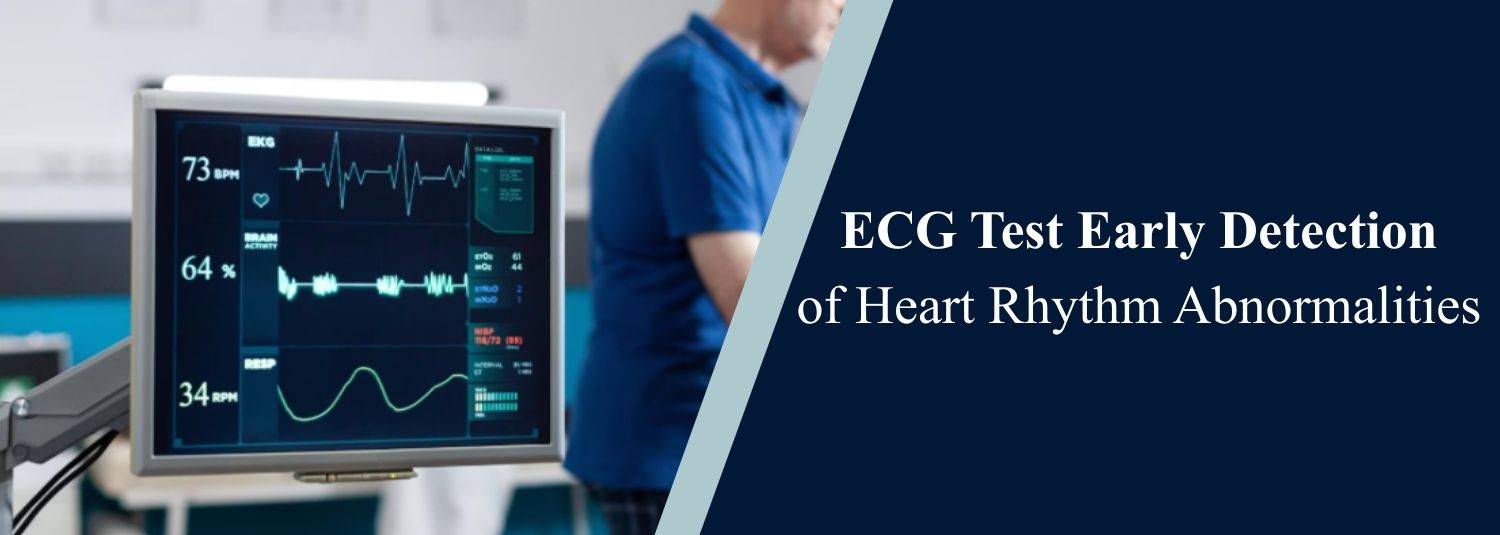
A major cause of illness and mortality in the world is heart disease. Numerous heart issues occur without any warning signs initially. An electrocardiogram, or the ECG test, is one of the most helpful tests that can be used to identify the presence of heart issues. At Molecular Diagnostics and Therapy, ECG testing is performed using advanced digital systems that provide an accurate and fast assessment of heart rhythm and electrical activity.
What is an ECG Test?
An ECG test is a painless, fast process through which electrical impulses of the heart can be recorded. With each beat of the heart, electric impulses are conducted in the muscle of the heart. Those impulses are registered as waves in the ECG. The physicians observe the waves to determine whether the heart is beating normally or has some issues with rhythm, rate, or the direction of the transmission of the impulses.
Why is ECG Important for Heart Health?
ECG test assists in identifying the problems with the heart at an early stage. Arrhythmias are a number of heart rhythm disorders, which may not have any apparent symptoms but can result in severe problems in case of negligence. An ECG can detect:
Irregular heartbeats
Fast or slow heart rate
Electrical conduction problems
Previous silent heart attacks
Reduced blood flow to the heart
Early diagnosis allows timely medical intervention and prevents long-term damage.
How the ECG Test Works?
During the test, small adhesive electrodes are placed on the chest, arms, and legs. These lead to the ECG machine, where the electrical activity of the heart is recorded for a few seconds. The test is:
Completely painless
Non-invasive
Safe for all age groups
Completed within 5–10 minutes
No radiation, injections, or special preparation is required.
Conditions Diagnosed Using ECG
An ECG test is commonly used to diagnose or monitor:
Arrhythmias (irregular heart rhythms)
Atrial fibrillation
Tachycardia and bradycardia
Heart blocks
Ischemic heart disease
Myocardial infarction (heart attack)
Cardiomyopathy
Electrolyte imbalances
It is also used to assess heart health before surgeries or major medical treatments.
Who Should Get an ECG Test?
Doctors may recommend an ECG test for:
Individuals with chest pain or breathlessness
Patients with dizziness or fainting episodes
People with high blood pressure or diabetes
Individuals with a family history of heart disease
Athletes undergoing fitness evaluations
Elderly patients for routine cardiac screening
At Molecular Diagnostics and Therapy, ECG testing is frequently included in routine health check-up packages.
Benefits of ECG Testing
An ECG test has many benefits. It detects heart problems early, assists medical professionals when making treatment decisions, monitors current heart problems, and measures the effectiveness of medications or lifestyle modifications. The test is very practical due to its affordability, speed, and popularity; therefore, it can be used to screen large numbers of people with heart diseases.
Is the ECG Test Safe?
Not in the least, the ECG test is perfectly safe. It does not need electric power; it simply catches the naturally generated electrical activity of the heart. Radiation and side effects are non-existent. The test is safe to be conducted repeatedly many times when it is necessary to monitor them.
ECG vs Other Heart Tests
An ECG provides convenient data concerning heart rhythm and electrical impulses, but not the physical structure of the heart. Examinations such as an echocardiogram or cardiac MRI are examinations of the heart's size and functionality. Nevertheless, an ECG is typically the primary diagnostic test as it is a quick, easy, and highly informative test.
The Role of ECG in Preventive Cardiology
The heart rhythm problems are on the increase with increased stress, poor diets, and increased inactivity, even among the youth. Consistent ECG monitoring is critical in the prevention of heart disease since the problems can be identified early enough before they escalate. Modern ECG machines store the reports in digital format; thus, it becomes more convenient to see the history of heart health over time.
Final Thoughts
The ECG examination is among the most important tools in the detection of abnormal heart rhythms at an early stage. It is simple, safe, and effective in revealing hidden heart issues. In case you have chest pain, palpitations, dizziness, or even fatigue, the ECG test would provide valuable hints concerning your heart. At Molecular Diagnostics and Therapy, advanced ECG services ensure accurate diagnosis, expert interpretation, and patient-centered care, helping individuals take timely action to protect their hearts.
Frequently Asked Questions
In News
Get Our Mobile App
for Easy Access
Book tests, view reports, and manage your health records on the go. Experience convenient healthcare with Molecular Diagnostics and Therapy.
- ✔ Book tests & home collection
- ✔ View reports instantly
- ✔ Track health history
- ✔ Get notifications & reminders
- ✔ Easy appointment management