Preparing for Your First PET-CT Scan: A Complete Guide
Talk to Health Expert

Dr. Nikunj Jain
Co-Founder and HOD - Nuclear Medicine ,MBBS, DRM, DNB, FEBNM, FANMB, Dip. CBNC
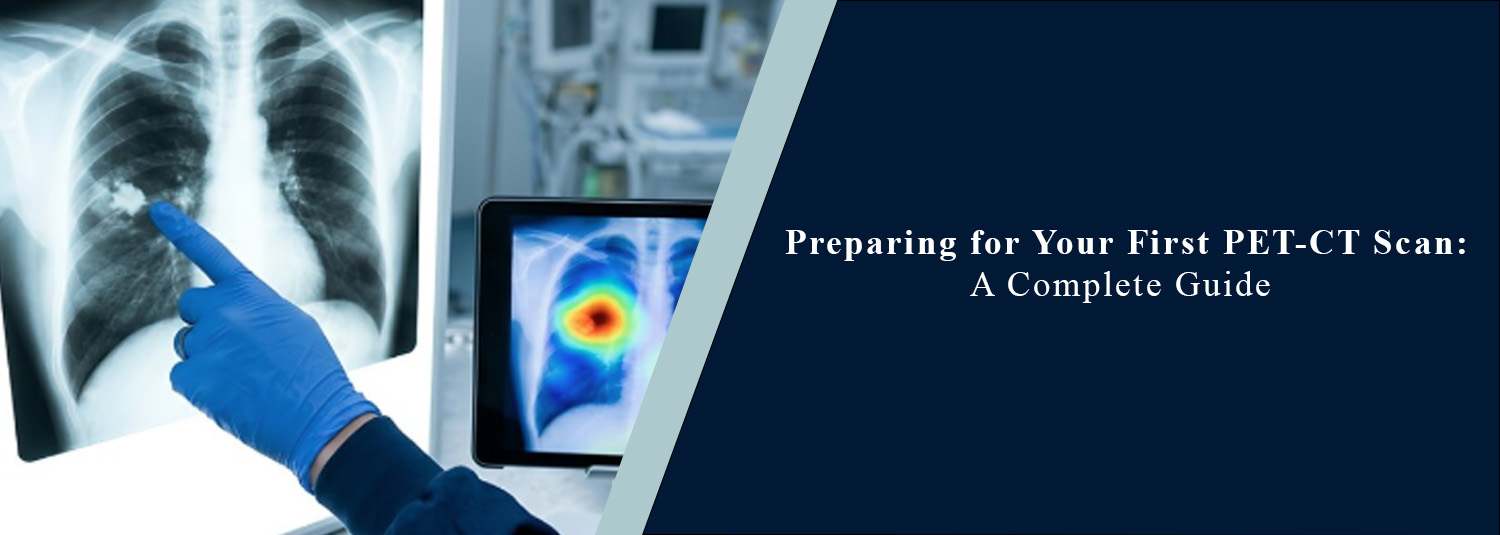
If your doctor advises a PET-CT scan, you likely have some questions to ask, and you may want to know how to prepare for this procedure. For many patients, they may seem intimidated by their first scan purely on account of a lack of familiarity with the whole process. Being knowledgeable about the procedure is a significant means to feeling relaxed and also making sure the check job generates the most accurate results.8
A PET-CT scan is among the latest and most advanced types of scans available today. It fuses two imaging techniques: Positron Emission Tomography (PET) and Computed Tomography (CT), so that it can provide detailed information about both the structure and function of tissues and organs within the body. Molecular Diagnostics and Therapy uses cutting-edge imaging technology and highly trained professionals to optimise the diagnostic process, treatment planning and patient care during an imaging procedure.
What Is a PET-CT Scan?
The PET-CT scan is made of a fusion of two imaging techniques. The PET portion measures metabolic activity by measuring the consumption of a small quantity of radioactive tracer, and the CT portion gives a very detailed picture of the anatomy. These images combine for a better diagnosis of abnormalities than traditional imaging alone. The cancer PET-CT scan is regularly employed to diagnose, stage, and monitor different types of cancer, though it also may be performed in the case of select cardiac and neurological conditions.
Why Proper Preparation Matters?
Preparation is an important factor in getting accurate pictures from a PET-CT scan. The way a radioactive tracer acts within the body can be influenced by the amount of food eaten, how active you are, your blood sugar level, and some medications. Carefully following your doctor's directions can aid in creating good images, while minimising the need for repeat imaging. Preparation makes for reliable diagnostic information.
Fasting Before the Scan
Patients are advised to refrain from feeding for a few hours before the test. Fasting enables the radioactive tracer to be distributed properly throughout the body and allows for better images of the body during the scanning. The intake of water is okay and is even recommended to keep the water levels normal. You'll be given instructions about fasting by your healthcare provider, depending on your medical condition and the kind of scan you're having.
Managing Blood Sugar Levels
One of the most significant factors for diabetic patients is the level of blood sugar. High blood glucose may hinder the use of the tracer and impact image quality. Before the examination, patients with diabetes might be given their own specific guidelines for medication timing, insulin dosing, and when to eat. Before the imaging appointment, it is crucial to let the imaging staff know if a person has a history of diabetes.
Avoid Strenuous Exercise
An increase in either heavy work or exercise should be avoided for about 24 hours before the test. Because exercise enhances muscle activity, tracer distribution may be changed, which can, in turn, influence the image interpretation. Runners and people who engage in heavy exercise or vigorous sporting events are normally advised not to run, exercise in the gym before a PET scan, or pick up heavy objects before the PET scan. Light exercise is generally OK, unless the doctor says otherwise.
Wear Comfortable Clothing
Patients should wear clothes that are comfortable and do not have metal content if possible. Objects made of metal (jewellery, watch, belt, some clothing accessories, etc.) might need to be removed before the examination. Patients may be required to wear a hospital gown in some cases so as not to interfere with imaging. Wearing comfortable clothes can also help ease the waiting period and the scan.
Inform Your Doctor About Medical Conditions
Inform your health care provider of any health conditions or medications before the appointment. Things such as pregnancy, breastfeeding, allergies, diabetes, and recent surgeries can affect the process or timing of the scan. Also, infections and current treatments may affect the process or timing of the scan. When the imaging team receives full medical information, it is easier for them to ensure their patient's safety and get accurate results. Seeking out your healthcare provider is one essential aspect of preparation.
What Happens on the Day of the Scan?
When you arrive, the imaging team checks your medical records and also verifies your preparation. A little radioactive dye is inserted into a vein. Patients are given a special fluid after the injection, and the tracer is allowed to pass through the body for about 30 to 60 minutes, during which the patient rests quietly. Enough movement, talking, or exercising should be avoided during this period to ensure proper tracer distribution. In actual scans, the duration is estimated to be from 20 to 45 minutes.
What Does the Scan Feel Like?
This PET scan is not harmful and doesn't hurt. Patients experience only a small 'needle prick' while the tracer is being injected. While you are in the scanner, you lie down on a motorised table as it is pushed through the scanner. Stabilising the collection as images are exposed helps to produce clear and accurate images. Closed spaces may cause mild anxiety for some people, and this should be discussed with the health care team prior to the exam being performed.
After the PET-CT Scan
Recovering from the procedure is a rapid process, and the majority of patients can resume their normal activities shortly after the procedure. After the exam, drink plenty of water to help the body to excrete the radioactive tracer. Normal eating and medicine taking are usually allowed to resume immediately after a meal unless otherwise told by your healthcare provider. The imaging specialist reviews this and gives their report to your primary doctor.
Is a PET-CT Scan Safe?
PET-CT scans are safe and commonly used throughout the world. A radioactive tracer has a low level of naturally occurring radiation that passes out of your body in a few days. The risks of radiation exposure are very small and don't outweigh the medical advantages of having correct diagnostic info. The examination will only be carried out on a recommendation from your doctor if this is clinically appropriate.
Understanding PET-CT for Cancer Evaluation
A PET-CT scan for cancer provides valuable information about the location, size, and metabolic activity of tumours. Doctors use these scans to determine whether cancer has spread, evaluate treatment response, and detect recurrence after therapy. In some situations, a PET-CT scan full-body examination may be recommended to assess multiple areas of the body simultaneously and provide a comprehensive overview of disease involvement. This information plays a critical role in personalised treatment planning.
Conclusion
With proper preparation for the first PET-CT exam, you can avoid any unpleasantness and have more accurate results. By preparing for a scan, including fasting, taking certain medications, exercising, and staying hydrated, patients can get the best possible pictures. Patients may become less anxious and have more confidence if they understand what happens in the procedure.
With cutting-edge technology, expert healthcare professionals, and a healthcare-first approach, Molecular Diagnostics and Therapy offers a comprehensive PET-CT scan service to facilitate timely and correct diagnosis and thorough care of cancer and other diseases.
Frequently Asked Questions
In News
Get Our Mobile App
for Easy Access
Book tests, view reports, and manage your health records on the go. Experience convenient healthcare with Molecular Diagnostics and Therapy.
- ✔ Book tests & home collection
- ✔ View reports instantly
- ✔ Track health history
- ✔ Get notifications & reminders
- ✔ Easy appointment management