CT 3D (one part)
₹7000
Book your CT 3D (One Part) at an advanced radiology and pathology diagnostic centre, Molecular Diagnostics and Therapy, accredited by both NABL & NABH. The use of our cutting-edge 3D Computed Tomography (CT) scans produces extremely detailed three-dimensional projections of the patient's body part, allowing doctors to give an accurate diagnosis of fractures, bone deformities, joint abnormalities, congenital defects, and more complex musculoskeletal conditions.
Our trained radiologists employ the latest in 3D reconstruction software and advanced CT scanners, giving you precise imaging and reports of findings in time for diagnosis and the best care possible.
About CT 3D (One Part)
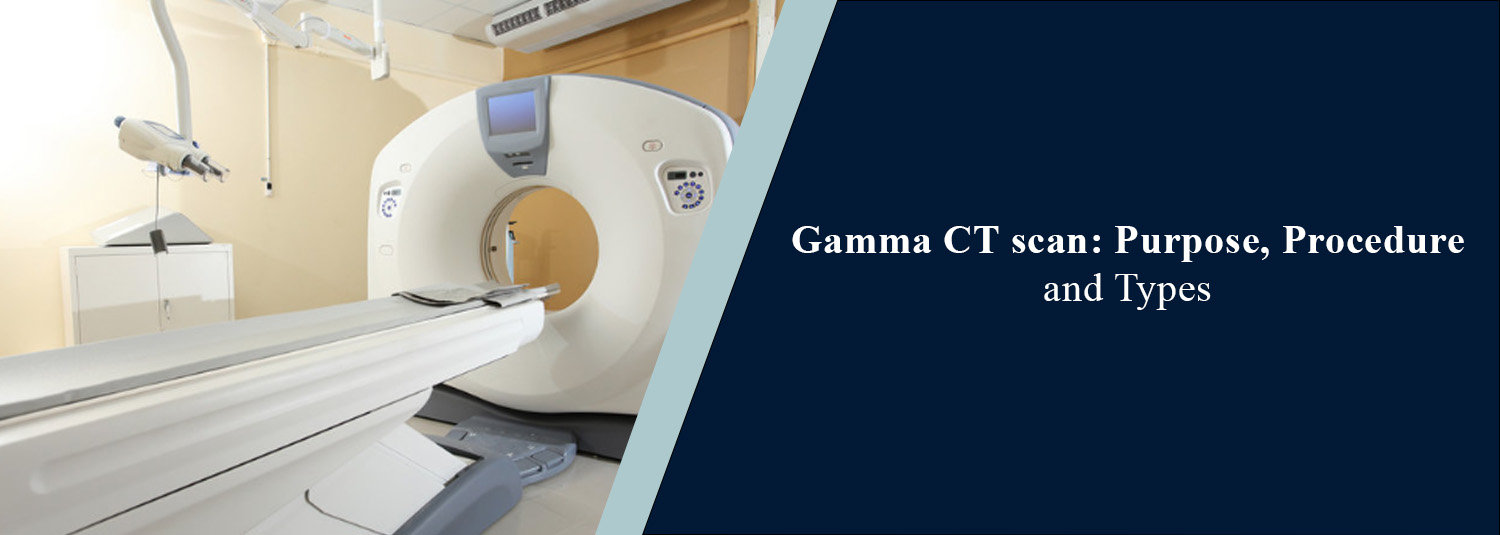
CT 3D (One Part) is an advanced type of imaging test that captures several X-rays of the body and combines them using computer processing to build a detailed three-dimensional picture of a particular part of the body. 3D reconstruction can provide better imaging of bones, joints, and any complex anatomy, particularly in orthopedic and trauma, maxillofacial, and surgical assessments.
This involves the head or facial bones, cervical spine, shoulder, elbow, wrist, pelvis, hip, knee, ankle, foot, or any single anatomical area that requires detailed 3D assessment, depending on the clinical practice involved. Evolutionary CT technology offers high-resolution, 3D images to help to make accurate diagnoses and surgical planning at Molecular Diagnostics and Therapy.
What is CT 3D (One Part)?
A non-invasive imaging process based on a conventional CT scan and an advanced 3D image reconstruction method is CT 3D (One Part). The scan gives detailed images of bones, joints, and the rest of the body, so that surgeons are able to have a clearer picture of complicated fractures, deformities, and other structural changes compared to conventional X-rays. This examination is often performed after a trauma, before orthopedic or reconstructive surgery, and when detailed anatomical assessment is needed.
Common Reasons for CT 3D (One Part)
- Evaluation of complex fractures
- Assessment after trauma or accidents
- Pre-operative surgical planning
- Evaluation of bone deformities
- Congenital skeletal abnormalities
- Joint abnormalities
- Maxillofacial injuries
- Post-operative assessment
- Detailed orthopedic evaluation
Conditions Evaluated
Complex Fractures
Provides accurate visualization of fracture patterns involving bones and joints.
Bone Deformities
Evaluates congenital or acquired skeletal deformities.
Joint Abnormalities
Assesses joint alignment, dislocations, and structural changes.
Facial and Skull Injuries
Helps evaluate facial bone and skull fractures with detailed 3D visualization.
Spinal Disorders
Assesses vertebral alignment and complex spinal fractures when indicated.
Post-Surgical Evaluation
Monitors healing and evaluates the results of orthopedic or reconstructive procedures.
Who Should Consider This Scan?
Your doctor may recommend this examination if you:
- Have suffered a complex fracture or severe injury
- Need detailed evaluation before orthopedic surgery
- Have suspected bone or joint deformities
- Require advanced imaging after trauma
- Need follow-up assessment after surgery
- Require detailed 3D anatomical evaluation
Benefits of CT 3D (One Part)
- Provides highly detailed three-dimensional images
- Improves visualization of fractures and bone anatomy
- Assists in precise surgical planning
- Supports accurate diagnosis of complex orthopedic conditions
- Fast, painless, and non-invasive examination
- High-resolution imaging using advanced CT technology
Why Choose Molecular Diagnostics and Therapy?
- Experienced Radiologists
- Advanced 3D CT Scan Technology
- NABL & NABH Accredited Diagnostic Centre
- Accurate and reliable reporting
- Affordable and transparent pricing
- Comprehensive Radiology and Pathology services under one roof
Book Your CT 3D (One Part)
Schedule an appointment at Molecular Diagnostics and Therapy for safe, accurate, and timely 3D CT imaging for fractures, orthopaedic disorders, trauma evaluation, surgical planning, and complex musculoskeletal disorders.
Test information: Fasting NOT required.
Reporting: Within 24 hours*
- No special preparation is usually required for a CT 3D (One Part) scan if it is performed without contrast.
- If your doctor has advised a contrast-enhanced CT 3D scan, fasting for 4–6 hours before the examination may be required. Follow the specific instructions provided by your doctor or diagnostic centre.
- Wear comfortable clothing and avoid wearing jewellery, watches, hairpins, belts, hearing aids, dentures (if advised), or other metallic objects near the area being examined.
- Inform your doctor if you have a history of contrast allergy, kidney disease, diabetes, asthma, thyroid disorders, or any previous reaction to contrast injections, if contrast administration is planned.
- Inform your doctor if you are pregnant, think you may be pregnant, or are breastfeeding before undergoing the examination.
- Carry previous CT scans, MRI, X-rays, ultrasound reports, surgical records, laboratory investigations, or other relevant medical documents, if available, for comparison and accurate evaluation.
- Follow the CT technician's instructions carefully and remain completely still during image acquisition to ensure high-quality 3D images.
- Arrive 15–30 minutes before your scheduled appointment for registration and preparation. Additional time may be required if intravenous contrast is to be administered.
Talk to Health Expert
Health Articles