CECT Cervical (upto six vertebral) - Spine Limited Study
₹6000
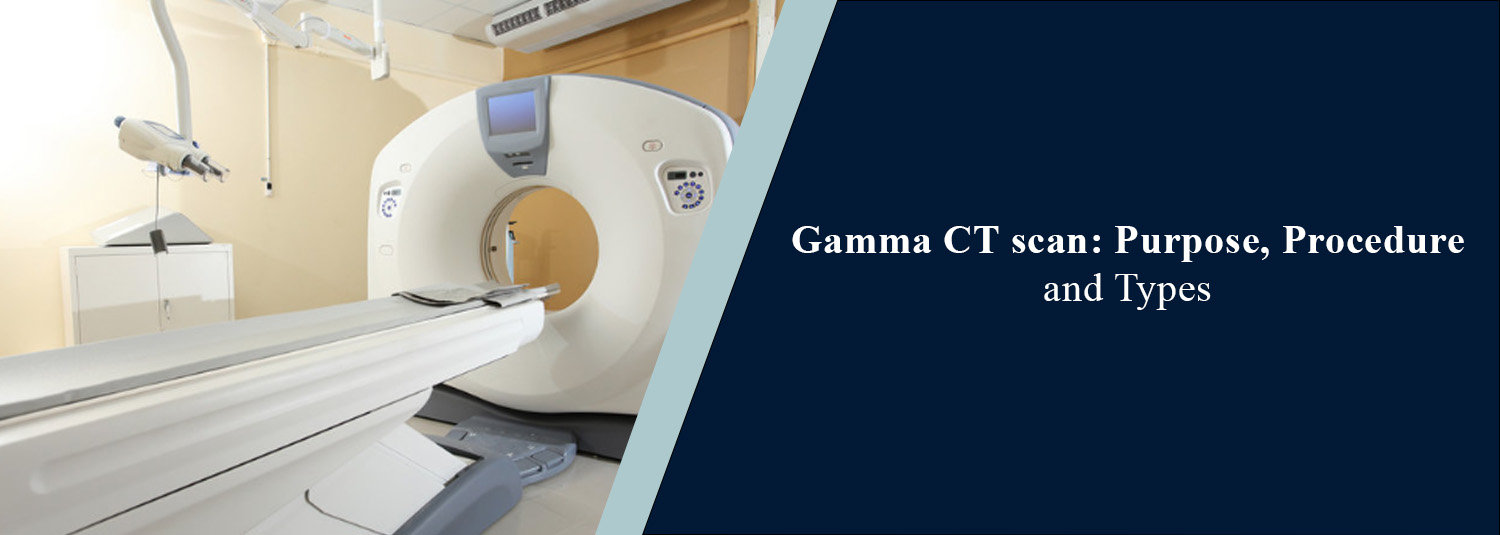
Book your CT Cervical Spine (Up to Six Vertebrae) – Limited Study - Plain at Molecular Diagnostics and Therapy, an NABL & NABH Accredited organisation providing Advanced Radiology & Pathology services. Our advanced Computed Tomography (CT) technology gives the doctor detailed images of the cervical spine, which aids in the accurate assessment of abnormal changes, degenerative changes, fractures, and spinal alignment within the cervical region.
The imaging protocols on our high-resolution computerised tomography (CT) machine are well optimised for obtaining accurate images in a near-anatomic time in a manner that reduces the radiation dose to patients and involves an exam that is both simple and thorough.
About CT Cervical Spine (Up to Six Vertebrae) – Limited Study – Plain
A CT Cervical Spine Limited Study, Plain is a specialized X-ray imaging that examines the cervical spine (the neck) up to 6 vertebrae without using any type of contrast material. The scan allows finely detailed pictures to be obtained of cross-sections of the bones of the neck, the joints between them, the spinal canal, and the surrounding bones.
At Molecular Diagnostics and Therapy, CT is performed using advanced scanners to allow visualization of fine details of the bones, making it helpful in assessing cervical spine trauma, fractures, degenerative processes, and structural abnormalities.
What is CT Cervical Spine Limited Study?
CT Cervical Spine Plain Scan is an imaging test performed by combining X-rays with a computer to get detailed pictures of the vertebrae in your neck. It focuses on the cervical area of the spine located in the neck, with 7 vertebrae that support the head and are essential for the movement of the neck. This small study investigates the number of cervical vertebral levels required by the doctor and aids in the identification of abnormalities of the bones and of the structures of the spine.
Common Reasons for a Limited CT Cervical Spine Study
- Neck injury after accidents or falls
- Suspected cervical spine fracture
- Persistent neck pain
- Evaluation of degenerative changes
- Assessment of vertebral alignment
- Follow-up after cervical spine injury
- Evaluation before orthopedic or neurosurgical treatment
- Detection of bone abnormalities
Conditions Evaluated
Cervical Spine Fractures
Helps detect cracks, breaks, or displacement of cervical vertebrae following trauma.
Degenerative Disc Disease
Evaluates age-related changes affecting cervical vertebrae and supporting structures.
Cervical Spondylosis
Assesses bone spurs, joint changes, and degenerative abnormalities causing neck pain or stiffness.
Vertebral Alignment Abnormalities
Helps identify displacement, deformity, or abnormal positioning of cervical vertebrae.
Spinal Canal Abnormalities
Provides information about narrowing or structural changes affecting the spinal canal.
Bone Lesions
Helps detect abnormal growths, cysts, or other changes involving cervical vertebrae.
Who Should Consider This Scan?
Your doctor may recommend a CT Cervical Spine Limited Study – Plain if you:
- Have suffered neck trauma
- Experience persistent neck pain or stiffness
- Have suspected cervical fractures
- Need evaluation of spinal abnormalities
- Require assessment before surgery
- Have abnormal findings on previous imaging
- Need follow-up after cervical spine treatment
Benefits of CT Cervical Spine Limited Study
- Provides detailed images of cervical vertebrae
- Helps detect fractures and bone abnormalities
- Evaluates spinal alignment accurately
- Supports orthopedic and neurosurgical planning
- Quick and non-invasive examination
- Provides high-resolution bone imaging
- Helps doctors make accurate treatment decisions
Why Choose Molecular Diagnostics and Therapy?
- Experienced Radiologists
- Advanced CT Scan Technology
- NABL & NABH Accredited Diagnostic Centre
- Accurate and reliable reporting
- Affordable and transparent pricing
- Comprehensive Radiology and Pathology services under one roof
Book Your CT Cervical Spine Limited Study – Plain
For the best CT Scan centre, you should make an appointment at Molecular Diagnostics and Therapy for cervical spine CT scan and cervical spine CT cost. Our radiology team is equipped with the appropriate expertise to perform a safe, accurate, and timely CT scan of the cervical spine to aid in the diagnosis of injuries, fractures, degenerative disorders, and other neck ailments.
Test information: Fasting : 04 hours
Reporting: Within 24 hours*
- No fasting or special preparation is required for the CT Cervical Spine (Up to Six Vertebral) – Limited Study – Plain.
- Wear comfortable clothing and avoid wearing clothes with metal components such as zippers, hooks, or decorative accessories around the neck area.
- Remove jewellery, chains, spectacles, or other metallic objects before the examination if advised by the radiology technician.
- Inform your doctor or radiology team if you have a history of cervical spine surgery, spinal implants, fractures, or previous neck injuries.
- Inform your doctor about any severe neck pain, restricted neck movement, neurological symptoms, numbness, tingling, or weakness in the arms or hands.
- Carry previous CT scans, MRI reports, X-ray reports, orthopedic or neurosurgical records, and other relevant medical documents, if available, for comparison and accurate evaluation.
- Inform the radiology staff if you have difficulty lying flat or maintaining a specific position due to pain or discomfort.
- Follow the instructions provided by the CT technician during positioning and scanning to obtain clear images.
- Arrive 10–15 minutes before your scheduled appointment for registration and preparation.
Talk to Health Expert
Health Articles