CECT Cervical/Spine Extended Study
₹6500
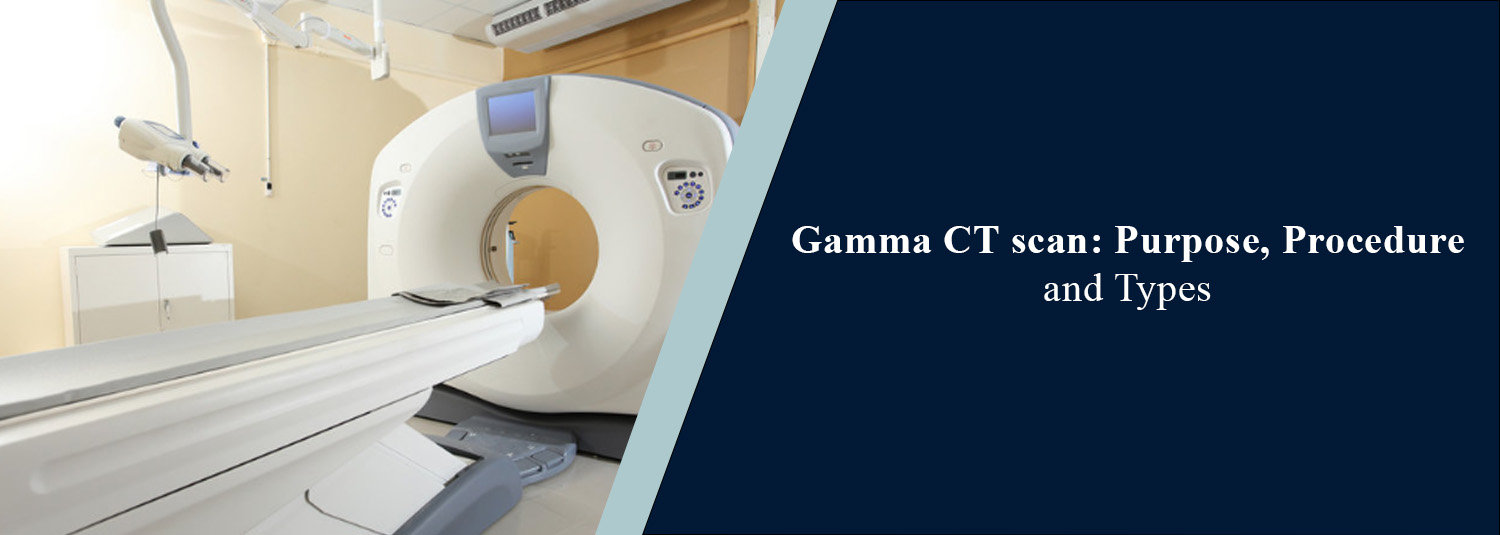
Get your CECT Cervical Spine Extended Study at Molecular Diagnostics and Therapy, an NABL & NABH Accredited Diagnostic Centre offering advanced Radiology and Pathology services. We have advanced CECT technology, which gives detailed cross sectional images of the cervical spine and surrounding soft tissues, which helps in the diagnosis of various complex disorders affecting the cervical spine such as spinal infections, tumours, inflammatory disorders, vascular abnormalities, post-surgical complications, etc. We have highly qualified radiologists who use the latest technology in CT scanning with IV contrast agents to get high-resolution imaging and will report to enable diagnosis and treatment planning.
About CECT Cervical Spine Extended Study
A modern imaging study, known as a "CECT Cervical Spine Extended Study," is an advanced imaging technique that combines X-rays, computer technology, and intravenous contrast imaging to provide detailed cross-sectional images of the cervical spine and surrounding structures. For any vertebra, there is an extended study that provides a more comprehensive evaluation of cervical vertebrae, spinal canal, soft tissues that surround the spine, blood vessels, and adjacent anatomic structures when clinically warranted.
The examination is a detailed view of cervical vertebrae, intervertebral discs, the spinal canal, surrounding structures to the spinal cord, facet joints, neck muscles, soft tissue, lymph nodes, blood vessels, and adjacent structures. The use of advanced CT imaging technology at Molecular Diagnostics and Therapy allows for a high-quality diagnostic image for more accurate assessment of cervical spine disorders.
What is a CECT Cervical Spine Extended Study?
A CECT Cervicospinal Extended is a contrast-enhanced computed tomography of the neck area (Cervical Spine). This intravenous dye helps to enhance blood vessels, inflammation, infection, tumors, and post-surgical anatomy to allow the physician to assess complex spinal situations more effectively.
This scan is often ordered as part of the investigation for someone who continues to experience chronic neck pain, a possible cervical spine infection, a tumour, and when more detailed assessment of the cervical spine is needed before surgery or special treatments.
Common Reasons for CECT Cervical Spine Extended Study
- Persistent or severe neck pain
- Suspected spinal infection
- Evaluation of spinal tumours or metastatic disease
- Assessment of inflammatory spinal disorders
- Neck trauma requiring detailed evaluation
- Investigation of neurological symptoms
- Pre-operative planning
- Follow-up after cervical spine surgery
- Assessment of post-operative complications
Conditions Evaluated
Spinal Infections
Helps detect infections involving the cervical vertebrae, discs, or surrounding soft tissues.
Cervical Spine Tumours
Evaluates primary or metastatic tumours affecting the cervical spine and adjacent structures.
Inflammatory Conditions
Assesses inflammatory changes involving the cervical spine and surrounding tissues.
Vascular Abnormalities
Provides detailed evaluation of blood vessels supplying the cervical region.
Post-Surgical Changes
Monitors healing, hardware position, and complications following cervical spine surgery.
Soft Tissue Abnormalities
Detects abscesses, masses, enlarged lymph nodes, and other soft tissue abnormalities in the neck.
Who Should Consider This Scan?
Your doctor may recommend this examination if you:
- Have persistent or worsening neck pain
- Have suspected spinal infection or tumour
- Experience numbness, weakness, or neurological symptoms
- Require detailed evaluation before spinal surgery
- Need assessment following cervical spine surgery
- Require investigation of complex cervical spine disorders
Benefits of CECT Cervical Spine Extended Study
- Provides highly detailed images of the cervical spine and surrounding soft tissues
- Enhances visualization of blood vessels, infections, tumours, and inflammatory conditions
- Supports accurate diagnosis and surgical planning
- Fast, painless, and minimally invasive examination
- High-resolution imaging using advanced CT technology
- Enables precise diagnosis and effective treatment planning
Why Choose Molecular Diagnostics and Therapy?
- Experienced Radiologists
- Advanced Contrast-Enhanced CT Scan Technology
- NABL & NABH Accredited Diagnostic Centre
- Accurate and reliable reporting
- Affordable and transparent pricing
- Comprehensive Radiology and Pathology services under one roof
Book Your CECT Cervical Spine Extended Study
Searching for a CECT Cervical Spine Extended study, or a scan cost of CECT cervical spine, or the most ideal centre for CT scan? Schedule your appointment at Molecular Diagnostics and Therapy. Our highly trained clinical team offers safe, accurate, and timely contrast-enhanced CT imaging of cervical spine disorders, infection, tumours, post surgery evaluation, and other complex spine conditions.
Test information: Fasting : 04 hours
Reporting: Within 24 hours*
- Fasting for 4–6 hours may be required before the CECT Cervical Spine Extended Study, as intravenous (IV) contrast material will be administered.
- Drink adequate water before the fasting period unless your doctor has advised otherwise. You may be encouraged to increase fluid intake after the scan to help eliminate the contrast material.
- Inform your doctor if you have a history of allergy to contrast dye, asthma, kidney disease, diabetes, thyroid disorders, or any previous reaction to contrast injections.
- Inform your doctor about all current medications, especially metformin or other diabetes medications, as temporary adjustment may be required before or after the examination.
- Inform your doctor if you are pregnant, think you may be pregnant, or are breastfeeding before the scan.
- Remove jewellery, chains, earrings, hairpins, spectacles, hearing aids, dentures (if advised), or any other metallic objects around the head and neck before the examination.
- Carry previous CT Scan, MRI, X-ray reports, operative records, laboratory investigations, or other spine-related medical records, if available, for comparison and accurate evaluation.
- Follow the CT technician's instructions carefully and remain completely still during image acquisition to obtain clear, high-quality images.
- Arrive 15–30 minutes before your scheduled appointment for registration, preparation, and IV cannula placement if required.
Talk to Health Expert
Health Articles