CT Cervical (upto six vertebral) - Spine Limited Study - Plain
₹6000
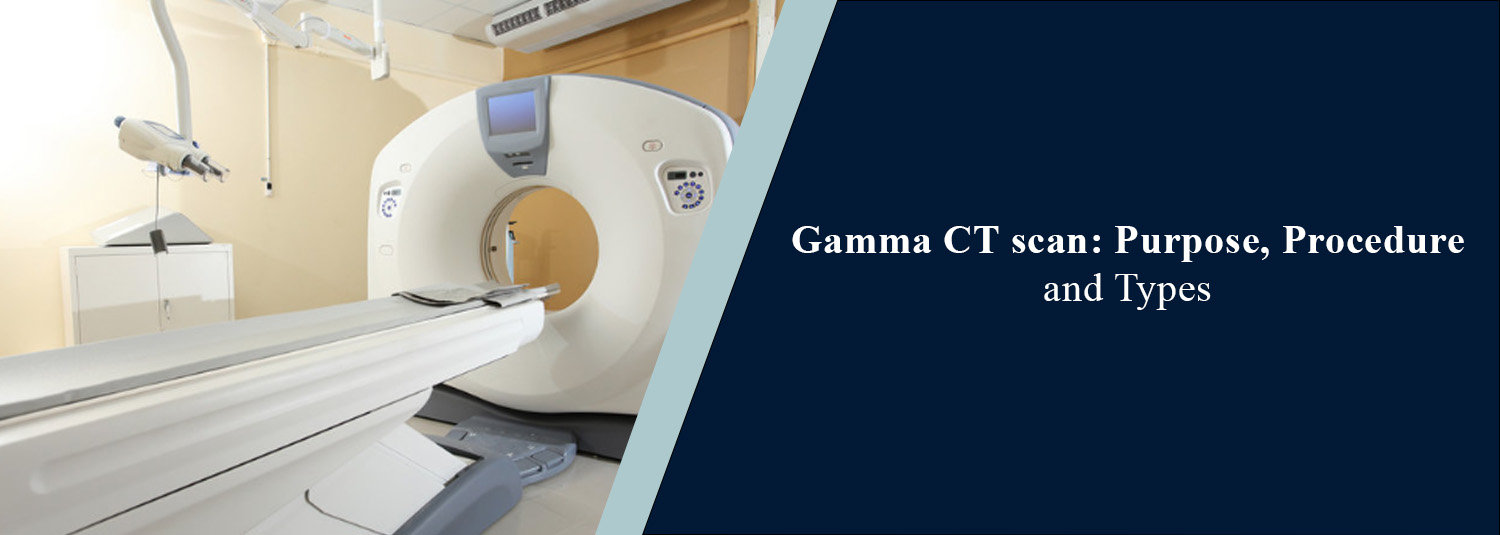
Schedule your appointment for the study of the cervical spine (limited – up to 6 vertebrae) at an NABL & NABH Accredited Diagnostic Centre, Molecular Diagnostics and Therapy. The high-level Contrast Enhanced Computed Tomography (CECT) state-of-the-art technology enables doctors to obtain detailed images of the cervical spine, vertebrae, spinal cavity, surrounding soft tissues, and vascular structures, which helps them effectively diagnose complex spinal cases. Advanced CT imaging with contrast dye provides detailed anatomic information and rapid report turnaround times, aiding our experienced radiologists in diagnosis and treatment planning.
About CECT Cervical Spine (Up to Six Vertebrae) – Limited Study
CECT Cervical Spine Limited Study is a special scan using a special type of computed tomography (CT) that provides a detailed look at the cervical spine (up to six of the neck's vertebrae) and the soft tissue and other tissues around the neck. The contrasting agent makes abnormalities and inflamed tissue, masses, blood vessels, or other abnormalities stand out more clearly on a CT scan. Using sophisticated CT technology, Molecular Diagnostics and Therapy helps doctors to get a deep and clear understanding of complex cervical spine disorders.
What is CECT Cervical Spine Limited Study?
A CECT Cervical Spine Limited Study is a non-invasive test that is performed with the help of computed tomography and contrast dye, which is given to get detailed cross-sectional images of your neck area. A scan of the cervical vertebrae, spinal canal, and surrounding muscles, soft tissues, and vascular structures. It is particularly helpful when a thorough evaluation of lesions, infections, inflammation, or complicated conditions of the spine is needed.
Common Reasons for CECT Cervical Spine Limited Study
- Evaluation of cervical spine lesions
- Assessment of neck swelling or masses
- Suspected spinal infections
- Evaluation of tumors or abnormal growths
- Assessment after cervical spine trauma
- Detailed evaluation before surgery
- Investigation of unexplained neck pain
- Assessment of soft tissue abnormalities around the spine
Conditions Evaluated
Cervical Spine Tumours and Masses
Helps detect and evaluate abnormal growths involving cervical vertebrae, spinal canal, or surrounding tissues.
Spinal Infections
Assesses inflammatory changes, collections, and infections affecting the cervical spine.
Vertebral Abnormalities
Evaluates structural changes, bone destruction, or abnormal findings involving cervical vertebrae.
Spinal Canal and Soft Tissue Lesions
Provides detailed visualization of surrounding tissues and structures near the spinal cord.
Post-Traumatic Changes
Helps assess complex injuries and associated soft tissue abnormalities after trauma.
Pre-Surgical Assessment
Provides detailed anatomical information to assist surgeons in planning cervical spine procedures.
Who Should Consider This Scan?
Your doctor may recommend a CECT Cervical Spine Limited Study if you:
- Have persistent neck pain with abnormal findings
- Require evaluation of cervical spine lesions
- Have suspected infection or inflammation
- Need assessment of spinal masses or tumours
- Have undergone trauma affecting the neck region
- Require detailed imaging before surgery
- Need evaluation after previous treatment
Benefits of CECT Cervical Spine Limited Study
- Provides detailed images of cervical spine and surrounding tissues
- Enhances detection of soft tissue abnormalities
- Helps evaluate complex spinal conditions
- Supports accurate diagnosis and treatment planning
- Provides high-resolution CT images quickly
- Assists surgeons with pre-operative planning
Why Choose Molecular Diagnostics and Therapy?
- Experienced Radiologists
- Advanced Contrast CT Scan Technology
- NABL & NABH Accredited Diagnostic Centre
- Accurate and reliable reporting
- Affordable and transparent pricing
- Comprehensive Radiology and Pathology services under one roof
Book Your CECT Cervical Spine Limited Study
Looking for a CECT Cervical Spine Scan, a Contrast CT Cervical Spine Cost, or the best CT scan centre? You should schedule a CECT cervical spine appointment at Molecular Diagnostics and Therapy. Our sophisticated radiology team offers safe, accurate, and timely CECT imaging to aid in the diagnosis of cervical spine abnormalities, infections, and soft tissue lesions and in the management of other more complex neck conditions.
Test information: Fasting NOT required.
Reporting: Within 24 hours*
- Fasting for 4–6 hours may be required before the CECT Cervical Spine (Up to Six Vertebral) – Limited Study due to the use of contrast material, as advised by your doctor or radiology team.
- Wear comfortable clothing and avoid clothes with metal components around the neck area, such as chains, hooks, or zippers.
- Remove jewellery, metallic accessories, spectacles, or other objects containing metal before the scan if instructed by the CT technician.
- Inform your doctor and radiology team about any history of contrast allergy, kidney disease, asthma, diabetes, or previous reactions to contrast agents.
- Inform your doctor if you are taking diabetes medications, blood thinners, or any other regular medicines before the examination.
- Inform the radiology team if you have cervical spine surgery, spinal implants, neck trauma, infection, or previous treatment related to the cervical region.
- Carry previous CT Scan, MRI, X-ray reports, biopsy reports, blood investigations, orthopedic or neurosurgical records, if available, for accurate assessment and comparison.
- Maintain adequate hydration before and after the scan unless restricted by your doctor, especially after contrast administration.
- Follow all instructions provided by the CT technician during positioning and scanning.
- Arrive 10–15 minutes before your scheduled appointment for registration, preparation, and contrast-related assessment.
Talk to Health Expert
Health Articles