Common Questions Patients Ask Before a Nuclear Medicine Scan
Talk to Health Expert

Dr. Nikunj Jain
Co-Founder and HOD - Nuclear Medicine ,MBBS, DRM, DNB, FEBNM, FANMB, Dip. CBNC
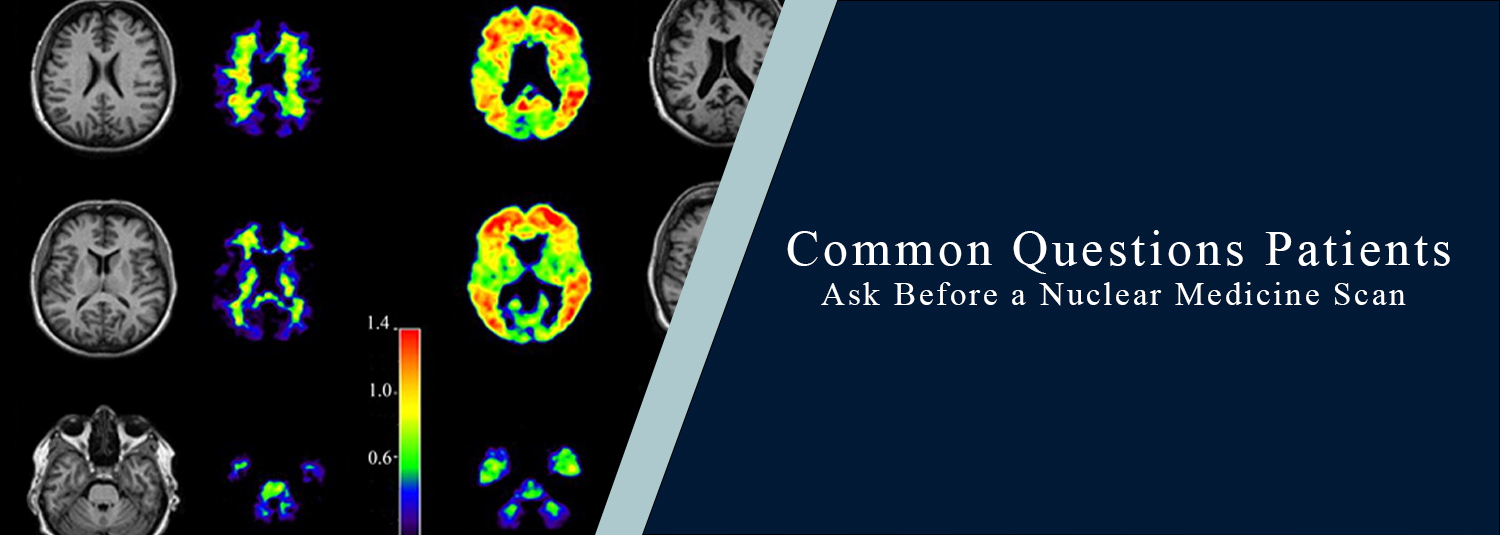
Nuclear medicine testing refers to a specific examination which your physicians carry out to observe the functioning of your organs and tissues. These scans are in comparison, unlike regular X-rays, which only look at the structure, and look at the working of cells and the amount of energy consumed, which helps in the detection of diseases at an early age.
Medical practitioners apply the scans to detect and keep track of diseases like cancer, heart malfunctions, thyroid disease, bone disorders and certain disorders of the brain. Although the scans prove to be very handy, there is a high number of people who are afraid, as they are not familiar with the procedure.
Understanding the working principle of the scan, safety measures and preparation of the scan may make you relaxed before the test. The following are the frequently asked questions before a nuclear medicine scan.
What Is a Nuclear Medicine Scan?
A nuclear medicine scan is a medical procedure in which a small quantity of a radioactive material known as a radiotracer is used to determine the functionality of the organs and tissues in the body, as well as to detect any issues.
Depending on the type of scan, the radiotracer is injected, inhaled, or administered by mouth. After entering the body, the tracer circulates through the blood and accumulates in certain organs or tissues.
The tracer then emits radiation that is picked up by special cameras and produces pictures that depict the way your organs and tissues action is proceeding. This assists the physicians in identifying disease on a molecular basis, usually earlier than it is manifested in other imaging tests.
Why Do Doctors Recommend Nuclear Medicine Scans?
Physicians recommend such scans when they require finer details concerning the functioning of an organ or a tissue. The scans are able to detect the disease at an early stage, reveal its severity, and are useful in following the effectiveness of the treatment process.
They are commonly used to:
Detect and stage cancer
Monitor heart blood circulation and heart operation.
Diagnose thyroid disorders
Diagnose bone infections or bone fractures.
Examine kidney and lung disease
Monitor the success of different treatments for different diseases.
Because these scans focus on functional activity rather than just structure, they provide valuable diagnostic information that other imaging tests may not reveal.
Is Nuclear Medicine Safe?
One of the most common concerns patients have is about radiation exposure. A nuclear medicine scan involves the use of very minimal radioactive tracers, and exposure is regulated and monitored. Radiation levels tend to be the same or lower when compared to other examinations, such as CT scans. The tracer is excreted through the body in most situations in the form of urine or stool. Highly trained specialists follow strict safety protocols to ensure patient safety during the procedure.
Do Patients Need to Prepare for the Scan?
The preparation varies according to the type of test that you are taking. There are scans you are supposed to fast for a few hours before the test; there are scans for which you are supposed to eat normally. Your doctor might also advise you to quit some medications before the scan, as they might affect the results.
Wearing comfortable clothing and the removal of metal objects or jewelry is likely before the imaging. Before the scan, you will be provided with elaborate instructions by the medical team to ensure the accuracy of the results.
How Long Does a Nuclear Medicine Scan Take?
The total time required for a nuclear medicine scan can vary depending on the type of study being performed. In most cases, there is a waiting period after injection of the tracer as it diffuses all over the body. Scans can require 30 to 60 minutes, or can require a few hours or even multiple visits in case the procedure is complex. The imaging itself is usually painless and non-invasive.
Will the Procedure Be Painful?
The majority of nuclear medicine scanner is painless. The tracer upon injection might only be slightly painful as a needle prick. During the imaging process, patients are usually asked to lie still on a scanning table while the camera captures images. The scanner does not touch the body and does not cause pain. The procedure is generally well tolerated by most patients.
When Will the Results Be Available?
The scanned images are viewed by a specialist or radiologist who is trained in nuclear medicine after the scan is completed. They visualize the distribution of the tracer within the body and determine any areas which indicate abnormal functioning or disease. The time taken to prepare reports is typically 24 to 48 hours, but the time may be different as per for different facilities and the complexity of the scan.
Are There Any Side Effects?
Side effects are rare. The radiotracers are established and safe to use medically. Most people have no problems. As a very rare response, a mild form of allergic reaction is possible, but the staff is trained to handle this. It is beneficial to drink lots of water after the scan so that your body flushes the tracer out faster.
Choosing the Right Diagnostic Centre
Nuclear medicine scans require special equipment and skills, and so, this is an important aspect to look at, where a test should be done in a respected, well-equipped centre.
Good quality facilities incorporate the highest grade of equipment, specialized practitioners and dependable safety protocols in the process, and this results in the correct diagnosis and reliable results.
Centres like Molecular Diagnostics and Therapy provide advanced nuclear medicine imaging services supported by experienced professionals and modern technology, helping doctors make informed decisions about patient care.
Conclusion
Nuclear medicine scans constitute effective instruments and assist doctors in observing the functioning of organs and identifying illness at a young age. The scans tell how cells are active within the body by giving small traces of radioactive tracers.
Although patients may feel anxious before the procedure, understanding how the scan works, what to expect, and how it helps in diagnosis can provide reassurance. Nuclear medicine imaging is safe, effective, and is an important element of effective medical diagnosis and treatment planning with proper preparation and guidance by professionally trained people.
Frequently Asked Questions
In News
Get Our Mobile App
for Easy Access
Book tests, view reports, and manage your health records on the go. Experience convenient healthcare with Molecular Diagnostics and Therapy.
- ✔ Book tests & home collection
- ✔ View reports instantly
- ✔ Track health history
- ✔ Get notifications & reminders
- ✔ Easy appointment management