Thyroid Imbalance and Weight Gain: What’s the Link?
Talk to Health Expert

Dr. Nikunj Jain
Co-Founder and HOD - Nuclear Medicine ,MBBS, DRM, DNB, FEBNM, FANMB, Dip. CBNC
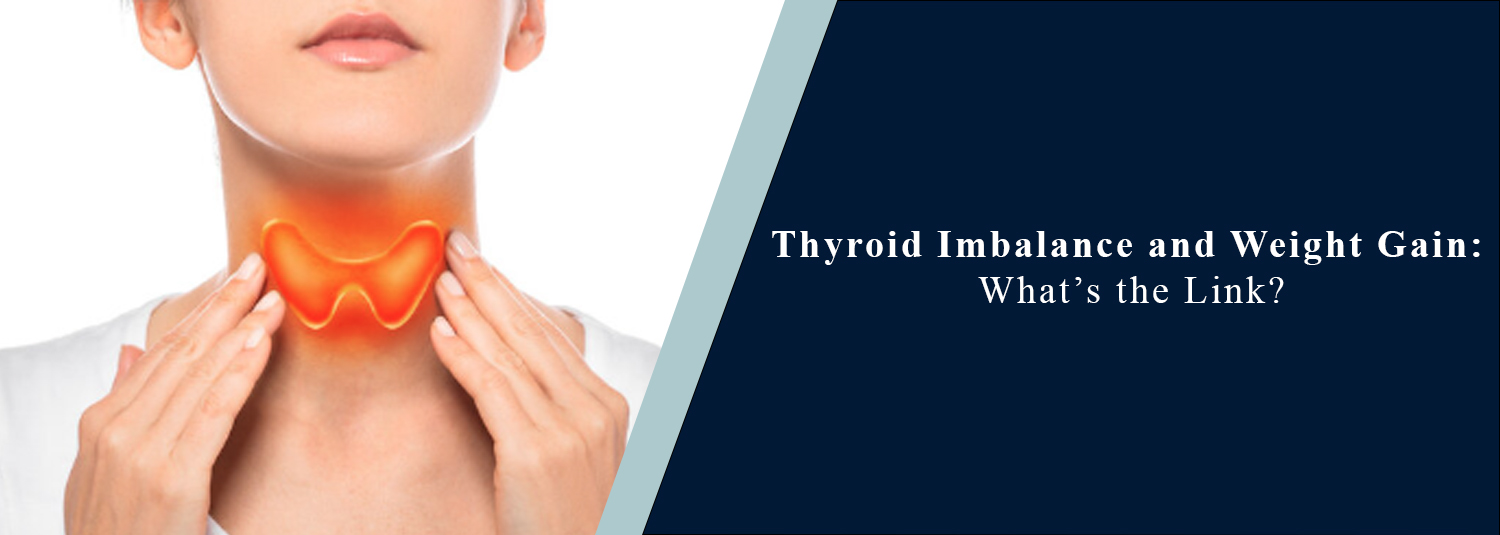
One such problem that most people always fear about is losing weight, and the thyroid gland is the first they blame when the scale starts climbing upwards. Thyroid imbalance can actually determine body weight, but there exists a more complicated context between the two than what numerous individuals know and believe. Knowing how the thyroid works and how that affects your metabolism can help you have a better command of your health and your weight.
What is the Thyroid Gland?
The thyroid is a small gland, which looks like a butterfly, that is located at the bottom of your neck. It is one of the crucial ones that regulate metabolism of the body; how your body receives the food that you consume to supply your body with power, no matter how large the body is. Two main hormones, thyroxine (T4) and triiodothyronine (T3), are secreted by the thyroid gland. These hormones are the factor that will either make or break your body in terms of speed or retardation, like your heartbeat, digestion and burning calories.
In case the thyroid is not functioning properly, it may result in either hyperthyroidism (overactive thyroid) or hypothyroidism (underactive thyroid). The two conditions influence weight but differently.
Hypothyroidism and Weight Gain
Hypothyroidism is the most widespread condition that is related to weight gain. The condition is brought about by the fact that the thyroid gland is unable to produce enough hormones, leading to slowed metabolism. A decreased metabolism rate implies that your body requires a lower calorie level in the resting period, which may result in weight gain in the long term.
Nevertheless, the suggested weight gain with hypothyroidism is not very high in most cases- frequently, it is a gain of 2-5 kilograms. A lot of this weight increase can be attributed to fluid retention and not fat gain. This implies that after having corrected the level of thyroid hormone using treatment, some of the surplus weight can be lost. Symptoms caused by hypothyroidism are usually:
Low energy and fatigue.
Sensitivity to cold
Dry skin and hair
Constipation
Mood or depression.
Unexplained weight gain
Hyperthyroidism and Weight Changes
Hyperthyroidism, on the other hand, happens when the thyroid secreted excess thyroid hormone, making the metabolism accelerate. Oftentimes, this results in loss of weight, even after increasing appetite. In other instances, however, weight gain may be a result of excessive hunger and feeding. The following symptoms can characterise hyperthyroidism:
Rapid heartbeat
Anxiety or irritability
Sweating, heat intolerance.
Tremors
Unintentional weight loss
Why Thyroid Imbalance Affects Weight?
The thyroid hormones have a direct effect on the use of energy in your body. In the case of hypothyroidism, the decrease in the levels of hormones decelerates metabolism, therefore burning fewer calories. This may also result in a reduction of physical exercises because of fatigue, which will also add weight.
Also, the imbalance in thyroid can influence the water balance in the body, resulting in water retention. There can also be a hormonal effect on the appetite, digestion, and fat storage.
Remarkably, not all weight gain comes as a result of thyroid problems. In the majority of instances, diet, exercise, stress and sleep as lifestyle factors are contributing to a great extent. Therefore, the diagnosis and treatment are at times delayed by mere accusation of thyroid.
How is Thyroid Imbalance Diagnosed?
The diagnosis of thyroid disorders has been made using blood tests, which monitor the levels of hormones. The most widespread tests are:
TSH (Thyroid Stimulating Hormone): It is the first test to determine thyroid functionality. An elevation in TSH is a typical sign of hypothyroidism and vice versa.
T3 and T4: These tests will check the real levels of thyroid in the blood.
Anti-thyroid antibodies: They are useful in the detection of autoimmune thyroid diseases such as Graves disease or Hashimoto thyroiditis.
Prevention of complications and effective treatment of an illness depend on early diagnosis.
Managing Weight with Thyroid Issues
With a thyroid imbalance, the initial step to weight management is to treat the underlying disorder. In case of hypothyroidism, the prescription made by a physician is generally to take synthetic thyroid (levothyroxine) to get the levels back to normal. After the hormones have been brought to normal, the metabolism is enhanced, and the weight becomes more controlled. Besides medical care, lifestyle changes are necessary:
Balanced Diet: Learn to concentrate on whole foods, such as fruits and vegetables, lean proteins, and whole grains. Do not eat many processed foods and sugar.
Regular workouts: Attach cardio and strength workouts to enhance metabolism.
Adequate Sleep: Weight gain can be caused by poor sleep, which can disrupt hormones.
Stress Control: Chronic stress may impact weight and thyroid activity.
When to See a Doctor?
In case of unexplained weight gain and such additional symptoms as fatigue, loss of hair, and mood changes, it is necessary to consult a medical expert. The thyroid test may be tested using a simple blood test to establish whether it is functioning well or not.
To have a valid and sound thyroid testing, one must select a reputable diagnostic centre. Molecular Diagnostics and Therapy provides high-quality thyroid testing services that give accurate results and are helpful in early diagnosis and managing thyroid-related diseases.
Conclusion
Weight gain might also be a result of thyroid influence, especially where you have hypothyroidism, though this is a rare occurrence. The awareness of the relationship between thyroid activity and metabolism can help you implement the right moves in order to enhance health. This is possible as both thyroid and weight need to be dealt with appropriately through adequate diagnosis, therapy and lifestyle change.
Frequently Asked Questions
In News
Get Our Mobile App
for Easy Access
Book tests, view reports, and manage your health records on the go. Experience convenient healthcare with Molecular Diagnostics and Therapy.
- ✔ Book tests & home collection
- ✔ View reports instantly
- ✔ Track health history
- ✔ Get notifications & reminders
- ✔ Easy appointment management