Urinary Tract Infection: Symptoms and Diagnosis
Talk to Health Expert

Dr. Nikunj Jain
Co-Founder and HOD - Nuclear Medicine ,MBBS, DRM, DNB, FEBNM, FANMB, Dip. CBNC
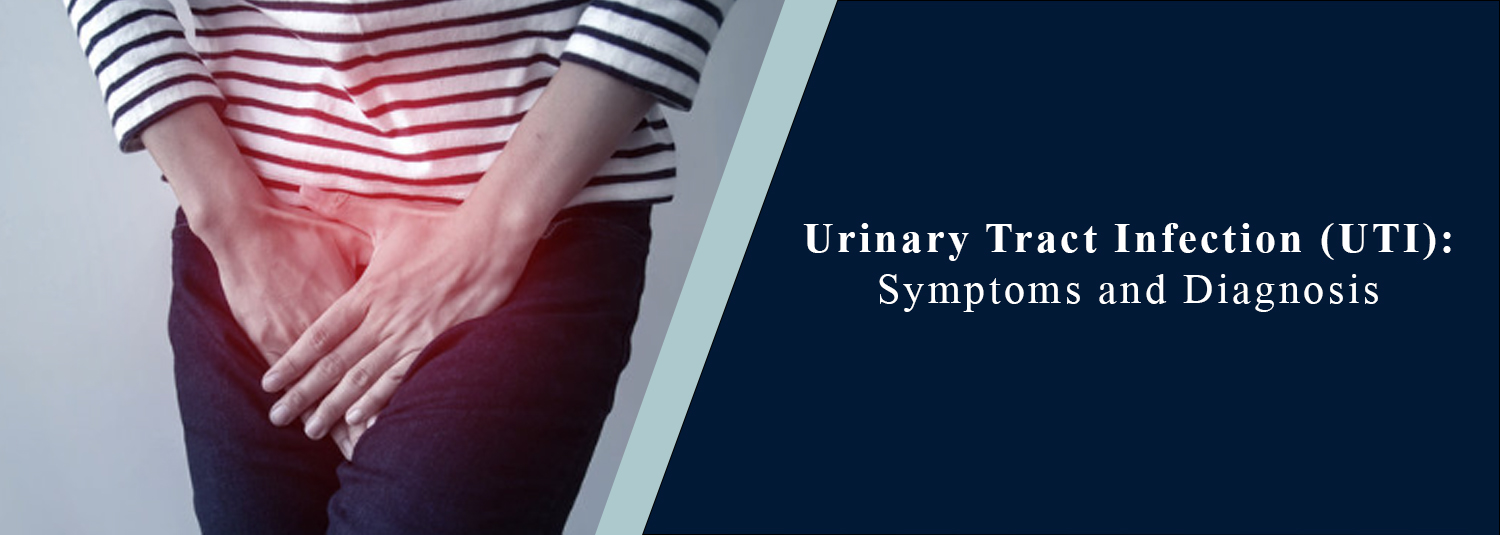
UTI disease is the most common and is spread by bacteria that can infect an individual of any age, especially women. It occurs when pathogenic bacteria are introduced into the urinary tract and begin to grow, leading to inflammation and pain. The urinary system includes the renal glands, ureters, urinary bladder, and urethra, and any of these organ parts can be infected. UTIs are not so grave and harmful in case of timely treatment, although this illness is complicated by the problems in case the patient does not pay enough attention to the symptomology. At Molecular Diagnostics and Therapy, we emphasize early awareness and accurate testing for better outcomes.
Understanding Urinary Tract Infections
Most UTIs occur as a result of bacteria, and the most common one is Escherichia coli (E. coli). These bacteria tend to be located in the digestive tract, but can enter the urinary tract through the urethra. UTI is also more prominent in women since their urethra is shorter and the bacteria can find their way to the bladder more easily. Other risk factors include poor hygiene, dehydration, sex, pregnancy, and certain health conditions, which are diabetes.
The types of UTI are normally established based on the localization of the urinary tract. The infection of the bladder is known as cystitis, and the infection of the urethra is known as urethritis. It results in a more severe (and fatal) form of disease, known as pyelonephritis, that requires urgent medical treatment.
Common Symptoms of UTI
Depending on the location and severity of the infection, the UTI can have different symptoms, but there are a few symptoms that are quite universal. One of the immediate and most obvious symptoms is a burning feeling during the process of urination. The pain can be mildly annoying or terrible, so urinating becomes painful.
The common urge to urinate is the other symptom that is common symptom, and though there is little urine, there is a strong urge to urinate. This need to go to the bathroom frequently and repeatedly can be annoying and disruptive to the normal routine. Along with this, the urine may be cloudy, dark, or may have a strong and foul smell.
In addition to abdominal pains or pressure, the following are other symptoms that are common to patients with UTIs. This pain is mostly concentrated in the area of the bladder, and it is likely to progress in proportion to the intensity of infection. In other cases, an individual may find some blood in his or her urine (problem known as hematuria), and this condition cannot be ignored.
The symptoms could be more severe if the disease spreads to the kidneys. They may include high fever, chills, nausea, vomiting, as well as back or side pain (flank pain). Kidney infections are serious conditions that a doctor should treat immediately to prevent complications.
Diagnosis of UTI
The initial step in the process of evaluating a UTI involves the assessment of symptoms and history. Nevertheless, to be sure of the infection, laboratory tests are necessary to determine the type of bacteria causing the infection. At Molecular Diagnostics and Therapy, advanced diagnostic methods help in identifying infections quickly and accurately.
A urine analysis is the most popular diagnostic measure. The test is used to check a sample of urine for white blood cells, red blood cells, and bacteria. When the white blood cells are more, it means that the body is combating an infection.
A urine culture is frequently used in order to determine the specific type of bacteria in infecting the person. This test assists doctors in identifying the most effective antibiotic to use. It is important in leading specific therapy, although a few days might be necessary to acquire the results.
New tests can be necessary in frequent or complex cases. To identify problems with the urinary system, such as kidney stones or structural problems, imaging tests, e.g., ultrasound or CT scans, may be conducted. Cystoscopy might also be done in certain cases, and a fine tube with a camera is put in the bladder in order to inspect its inside.
Who Is at Risk?
Although UTI can be contracted by any person, some populations are more susceptible. Because of anatomical factors, women are at a greater risk. Women who are pregnant are also more vulnerable since hormonal changes are capable of influencing the urinary tract. The elderly and those with compromised immunity, as well as those who have chronic diseases such as diabetes, are also at risk.
Individuals with a urinary catheter or total bladder emptying might also be at higher risk of infection. By identifying such risk factors, it is possible to prevent them and get medical assistance in time.
Importance of Early Diagnosis
Once a UTI is diagnosed, it is necessary to avoid the further development of this infection as soon as possible. A case of a simple bladder infection can extend to the kidneys and trigger more severe health complications when not treated. Immediate medication prevents the occurrence of complications; it also alleviates symptoms in a short period.
UTIs are usually cured using antibiotics, and a majority of the patients begin to feel better after a few days of using medication. Nevertheless, the entire course of the antibiotics should be taken as prescribed, even in case of improvement in symptoms, in order to make sure the infection is no longer there.
Prevention and Awareness
Despite their prevalence, UTIs can very well be avoided by mere changes in lifestyle. Consuming lots of water aids in clearing bacteria in the urinary tract. It is also important to maintain good hygiene, particularly after using the toilet. Urinating following sexual intercourse is also a way of preventing infection.
The use of irritating feminine products should also be avoided, and wear of breathable cotton underclothing may also maintain the health of the urinary tract. In people with a high rate of UTIs, a doctor can prescribe some preventive procedures or drugs.
Conclusion
UTIs are highly common and cannot be underestimated. Avoiding complications and offering successful treatment is possible by early recognizing the symptoms and receiving quick medical attention. Correct diagnosis, timely treatment, and prevention allow effective treatment of UTIs, and a person will be able to live with good urinary health and a good state of health in general.
Frequently Asked Questions
In News
Get Our Mobile App
for Easy Access
Book tests, view reports, and manage your health records on the go. Experience convenient healthcare with Molecular Diagnostics and Therapy.
- ✔ Book tests & home collection
- ✔ View reports instantly
- ✔ Track health history
- ✔ Get notifications & reminders
- ✔ Easy appointment management