Fatty Liver Disease: Causes, Symptoms, and Diagnosis
Talk to Health Expert

Dr. Nikunj Jain
Co-Founder and HOD - Nuclear Medicine ,MBBS, DRM, DNB, FEBNM, FANMB, Dip. CBNC
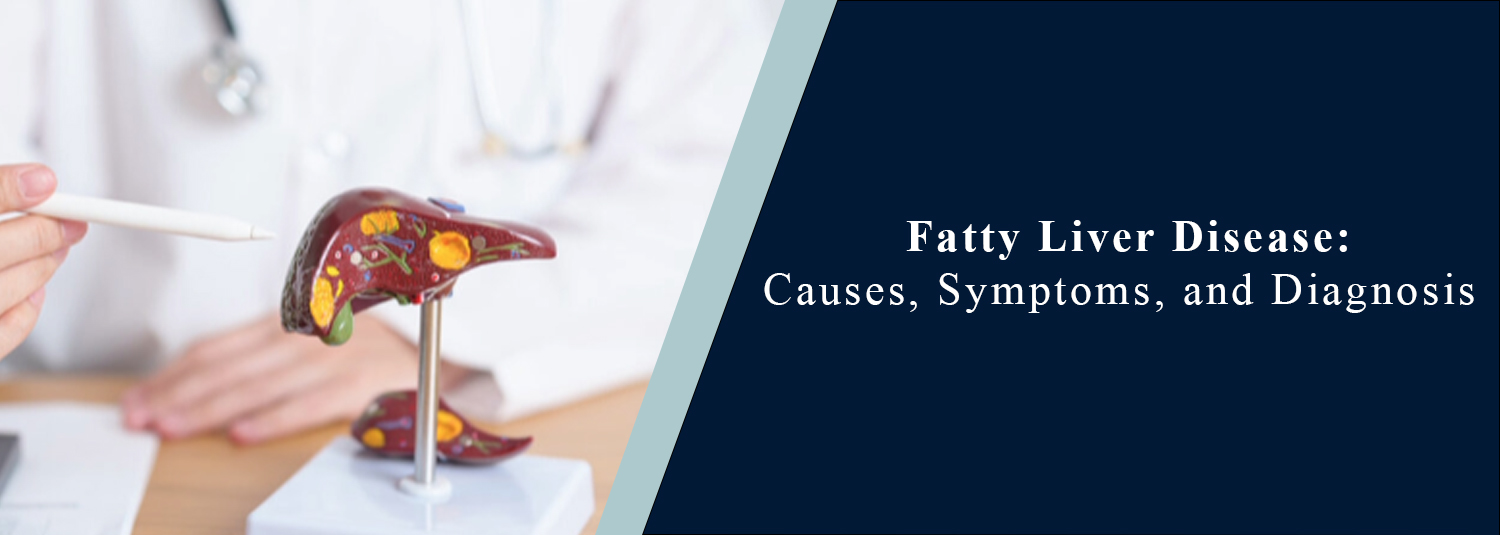
Fatty liver disease is a typical medical disorder where the innermost liver tissue accumulates fat. A bit of fat in the liver is healthy, but on the other hand, an abundance of fat can interfere with the liver and result in serious health-related problems in the long-term. Unmonitored, it may cause inflammation, damage to the liver, or even cirrhosis. One of the most common types, which is experienced by individuals with little or no alcohol, is Non-Alcoholic Fatty Liver Disease. The other type is alcoholic fatty liver disease, which is linked to overconsumption of alcoholic beverages.
What Is Fatty Liver Disease?
Fatty liver disease is an ailment that is created as a result of excessive fat build-up in the liver cells. The liver plays a role in the digestive system, detoxification, and metabolism. In excessive cases of fats, these functions can be affected, and inflammation or even damage ensues.
In its early course, fatty liver disease may not show any signs and peaks, and therefore, it becomes difficult to diagnose without medical tests. Nonetheless, with the development of the condition, they may cause more severe problems.
Causes of Fatty Liver Disease
A fatty liver disease can be caused by several lifestyle and medical factors. Most of the causes are associated with metabolism and general health.
Common Causes Include:
Obesity or being overweight.
Type 2 diabetes
Messages: diseases are caused by high cholesterol and triglycerides.
Unhealthy eating (hugger-mugger, processed food, and other fats).
Sedentary lifestyle
Excessive alcohol consumption
Loss of weight or malnutrition.
Rather frequently, fatty liver is a more diffuse (metabolic syndrome) condition, including elevated blood pressure, elevated blood sugar, and increased cholesterol.
Symptoms of Fatty Liver Disease
Fatty liver disease is rated as a silent disease since it may be non-symptomatic in the early stages of the disease. Lots of individuals lack awareness of its existence until it is discovered during routine tests. With the progression of the condition, others can have:
Fatigue and weakness
Abdominal upper right light pain or pain.
Unexplained weight loss
Loss of appetite
In further stages, the symptoms may be more complex, with abdominal swelling, jaundice (yellowing of the skin and eyes), and confusion as a possible result. Such symptoms may be a sign of liver inflammation or damage.
Diagnosis of Fatty Liver Disease
Diagnosis of fatty liver disease is typically done by combining medical history, physical exam, and tests.
Common Diagnostic Methods:
Blood tests to investigate liver enzymes.
As a screening, an ultrasound is used to determine fat accumulation.
In severe or non-specific cases that lie (biopsy) liver.
Imaging tests are particularly helpful in finding out fat deposits in the liver. In this case, the liver might feel hard to touch (in other cases), but this is one of the factors that the doctors can assess to determine the presence of fibrosis (scarring). Early diagnosis is also pertinent because it allows immediate treatment and prevents the occurrence of more severe liver diseases.
Who Is at Risk?
Some people have more chances of having fatty liver disease. These are individuals who are overweight, those having diabetes, or live a sedentary lifestyle. The other risk factors are high cholesterol, hormonal disorders, and genetic predisposition. Even fatty liver can be acquired by a healthy individual, so long as he/she has poor nutrition habits or metabolic issues.
Can Fatty Liver Disease Be Reversed?
In an encouraging aspect, fatty liver disease, to a large extent, especially at an early stage, can be reversed. It should have changes in the lifestyle that promote control and improvement of the condition. Being at a normal weight, eating foods in good balance, exercising, and avoiding alcohol can significantly reduce the liver fat content. These changes are able to, in most cases, restore normal liver functions.
Prevention Tips
The prevention of fatty liver disease primarily deals with living a healthy life. Fruits, vegetables, whole grains, and lean proteins can be used to support the liver as part of a diet that is high in fruits and vegetables. Being physically active, having normal blood sugar and cholesterol levels, and not drinking too much alcohol will also be of great importance in prevention.
Conclusion
Fatty liver disease is a medical condition that has been gaining momentum, as there has been an upsurge in obesity and other lifestyle diseases. It may not manifest itself at its earlier stages, however, and the level of complications in case of negligence will pose severe problems.
The ability to recognize the symptoms, the causes of the condition, and get a diagnosis of the condition as soon as possible is very decisive in managing this condition appropriately. Fatty liver disease can be controlled and even reversed, usually with adequate lifestyle changes and medical advice, and it can have a great impact on future health.
Frequently Asked Questions
In News
Get Our Mobile App
for Easy Access
Book tests, view reports, and manage your health records on the go. Experience convenient healthcare with Molecular Diagnostics and Therapy.
- ✔ Book tests & home collection
- ✔ View reports instantly
- ✔ Track health history
- ✔ Get notifications & reminders
- ✔ Easy appointment management