Heart Disease in Young Adults: A Growing Concern
Talk to Health Expert

Dr. Nikunj Jain
Co-Founder and HOD - Nuclear Medicine ,MBBS, DRM, DNB, FEBNM, FANMB, Dip. CBNC
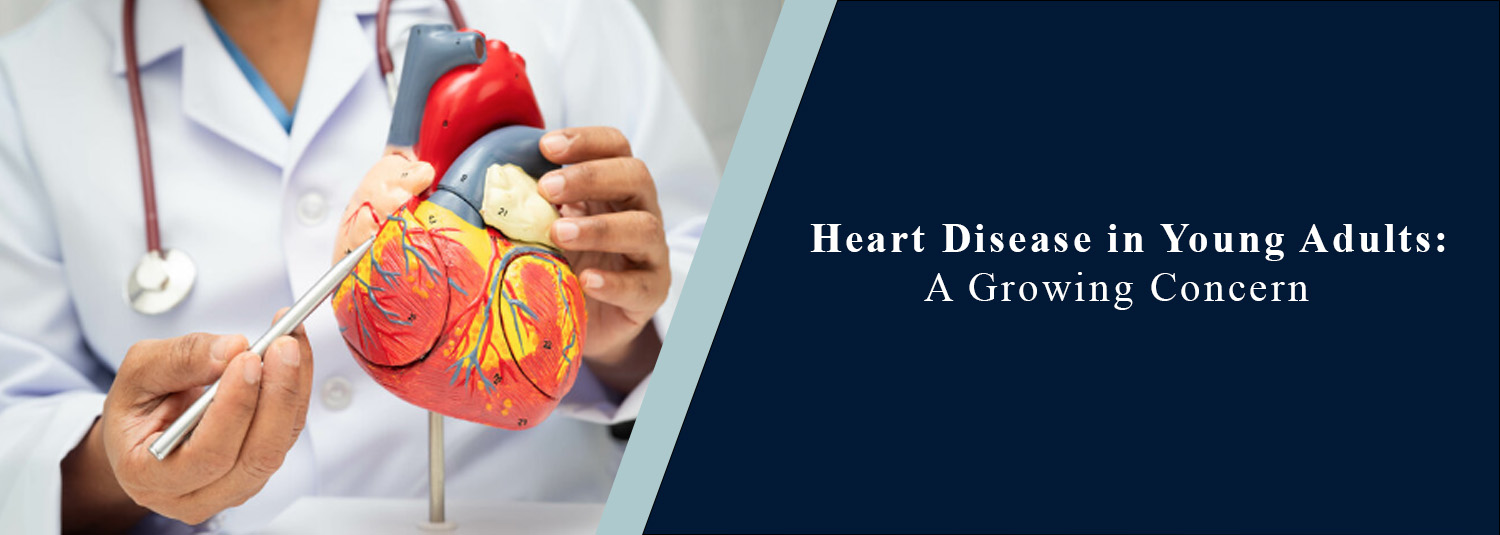
The prevalence of heart disease has been deemed to affect older adults. However, over the last several years, the prevalence of heart disease has grown even among those over 60, and healthcare providers have begun to become aware of it. Some heart health issues are affecting adults in their 20s, 30s, and 40s, which can result in heart attacks and other deadly consequences called hypertension/HDL (High blood pressure/low LDL level), and coronary artery disease.
This shows that disassimilation is in full swing with the younger generation, and that heart health and wellness are also important to them. Although age is still a major factor in cardiovascular disease, today's lifestyle choices and health issues are leading to a younger population experiencing cardiovascular issues. Knowing the causes has given young adults a chance to help them avert doing harm to their hearts, as well as potentially minimize risk.
Why Is Heart Disease Increasing Among Young Adults?
The reasons are that there is an increase in younger people suffering from heart disease. Along with the lifestyle changes come the fast pace of urbanization, the diet changes, low levels of activity and inactivity, high levels of stress, and a general lifestyle change that has, in some part, decreased the health of the cardiovascular system.
In their daily routines, many young adults may not have enough time left for living physical activity as they spend time at their desk, on the way to work, and/or on their digital devices. Over time, unhealthy eating and sleep habits take a toll, and so can bad habits, which are cumulative, making you and your baby at risk for heart disease. Some health risks, such as obesity and obesity-related issues, Type 2 Diabetes, and hypertension, that had long been thought to occur more frequently in adulthood, are now more common in the youth population.
The Role of Unhealthy Diets
Poor eating habits in the present time consist of eating a large amount of foods that are processed foods, foods with extra sugar, refined carbohydrates, junk foods with excess sodium, and eating an excessive amount of unhealthy foods. Too much intake of junk food and processed food can cause obesity (too much weight gain), high blood pressure, insulin resistance, and high blood cholesterol. The factors can damage the blood vessels and contribute to the greater formation of plaque in the arteries. This is called atherosclerosis and can lead to any immune disease of the heart, blood vessels, and heart attack with time. The magic pill for heart health is a good nutritional program, full of fruits and vegetables, whole grains, lean proteins, and fatty foods.
Physical Inactivity and Sedentary Lifestyles
Whilst the heart is a healthy organ, it has to be exercised every day. Fitness improves blood circulation, weight control, reduces blood pressure, and keeps cholesterol in check. Unfortunately, there are many young adults who are having a problem finding physical activity to be a part of their lives. Modern lifestyle, long hours at work, and digital and screen time are leading to more people living more sedentary lives.
Exercise can prevent obesity, boost your cardiovascular fitness, and lower your likelihood of developing metabolic diseases that raise your chance of heart disease. The suggested amount of moderate-intensity activity that must be done for heart health is 150 minutes a week.
Stress, Mental Health, and Heart Disease
Young adults often find themselves in situations to confront stress and operate within a tension of balancing work/school and financial responsibilities with living their own lives. In the event of chronic stress, cortisol and adrenaline levels can increase, which can trigger unhealthy coping habits, like excessive alcohol intake and smoking, inflammation, and elevated blood pressure.
Other mental health disorders that affect the heart include anxiety and depression disorders, which may affect lifestyle behaviors, physical activity, and sleep. Mindfulness, exercise, and sufficient sleep can be important socio-emotional factors influencing cardiovascular health.
Smoking, Vaping, and Alcohol Use
Smoking is still a major preventable risk factor for the prevention of heart disease. Tobacco narrows blood vessels and causes a lack of oxygen to the heart, and increases the risk of blood clots. While the overwhelming majority of the public thinks e-cigs are less dangerous than cigarettes, the new flurry of e-cigarette research suggests they might harm the heart, too, among young people.
Too much liquor can cause weight gain, heart palpitations, and high blood pressure. So, these are things you can do that reduce your heart disease risks: Don't smoke, don't drink. The most common associated conditions with lightning speeders are obesity, diabetes, and high blood pressure.
Obesity, Diabetes, and High Blood Pressure
Certain traits of overweight people could be strongly linked to an increased health risk for heart disease, such as Type 2 Diabetes, high blood cholesterol, and high blood pressure (also known as hypertension). Excess body fat, especially around the abdomen, may lead to insulin resistance and chronic inflammation, which adversely affect cardiovascular health.
It's challenging because sometimes it has no signs or symptoms. Many do not seem to realize it is dangerous until complications occur, and, therefore, may not know that it is a risk factor for many young adults. Health monitoring can be one way to identify these conditions early, enabling timely corrective action to be taken.
Family History and Genetic Risk
But genes participate more significantly in the health of the heart than workouts and can therefore contribute to cardiovascular danger. Those with a family history of early heart disease, high cholesterol, hypertension, diabetes, or other factors could be more susceptible to heart issues.
Being able to find out family medical history information can help health professionals advise you on the appropriate screening/testing and preventative care options for you. If someone does have the gene risk, that doesn't mean that there's nothing you can do in a healthy lifestyle to drastically cut down on the risk of having heart disease.
Warning Signs That Should Not Be Ignored
You may experience some or all of the following symptoms, and, for some people, these symptoms may not be noticed, especially in children and young people. Pain or discomfort in the chest, a shortness of breath, tiredness, dizziness, rapid heartbeats, nausea, or pain in the jaw, neck, back, or arms. Some develop mild symptoms that come intermittently or at some point, others do not; these could only manifest in a severe life challenge, such as a heart attack. In the event of symptoms, we need prompt medical help.
Conclusion
Heart disease doesn't just happen to seniors. Although cardiovascular disease that can affect young adults was largely uncommon, obesity, diabetes, stress, physical inactivity, and poor nutrition habits are playing a role in its growing prevalence.
Fortunately, there are many risk factors that can be prevented. Empowering young adults through the implementation of healthier lifestyle choices, stress management, maintaining a physically active life, and encouraging regular health screenings empowers young adults to take charge of their heart health.
In Molecular Diagnostics and Therapy, people get a full evaluation of their cardiovascular risk status and high-standard testing procedures, which enable them to know their cardiovascular well-being and what they should do to proactively prevent cardiovascular diseases. So doing so now can preserve your heart for the future.
Frequently Asked Questions
In News
Get Our Mobile App
for Easy Access
Book tests, view reports, and manage your health records on the go. Experience convenient healthcare with Molecular Diagnostics and Therapy.
- ✔ Book tests & home collection
- ✔ View reports instantly
- ✔ Track health history
- ✔ Get notifications & reminders
- ✔ Easy appointment management