How Obesity Impacts Blood Sugar Levels?
Talk to Health Expert

Dr. Nikunj Jain
Co-Founder and HOD - Nuclear Medicine ,MBBS, DRM, DNB, FEBNM, FANMB, Dip. CBNC
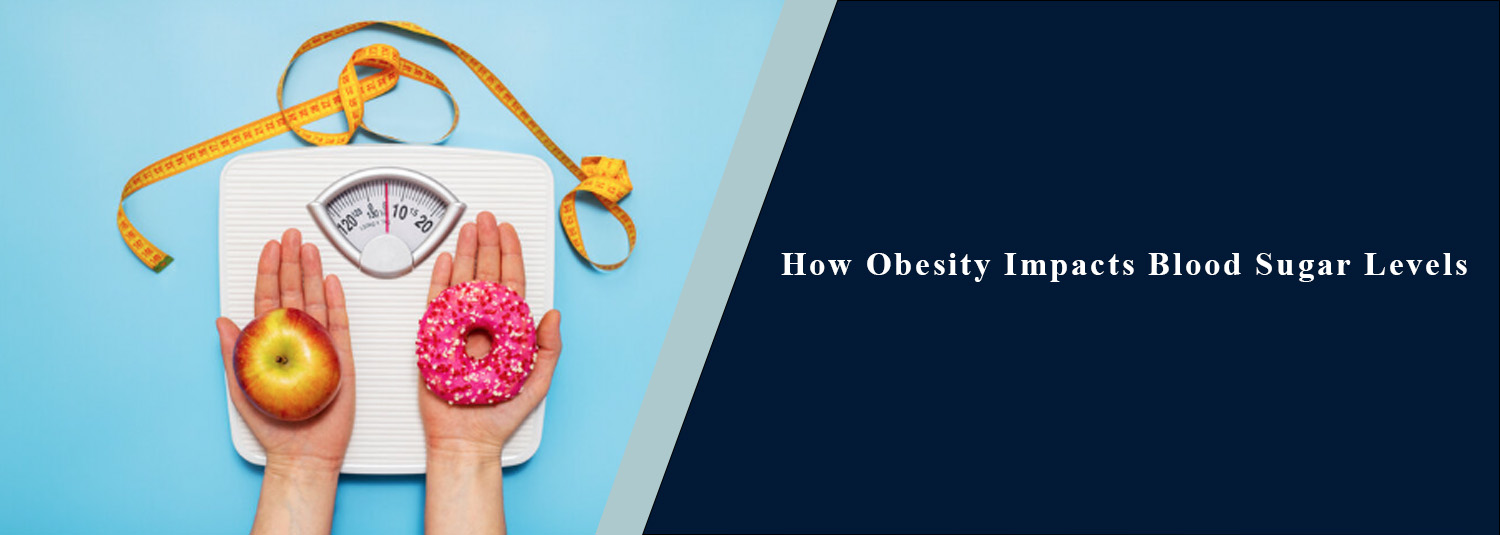
Obesity has emerged as one of the greatest public health problems in the world, affecting all age groups. Weight overage affects not only how people look and feel, but also contributes to poor health, especially when it comes to blood sugar levels. A great many people are not aware that obesity is one of the main risk factors for insulin resistance, pre diabetes, and type 2 diabetes. The body weight and blood sugar relationship is not a straightforward one and may be influenced by hormones, metabolism, and/or the regulating function of insulin. Education on the relationship between obesity and blood sugar creates an opportunity to take proactive steps towards healthier living and helps lower the risk of long-term issues that can arise as a result of poorly controlled blood sugar.
Understanding Blood Sugar and Insulin
A person's bloodstream contains blood sugar, which is the chief energy source for the body. It is derived from food, especially carbohydrates and sugar. It is sourced from food, specifically carbohydrates, which are converted into sugar during digestion.
The pancreas secretes insulin, a hormone that moves glucose from the blood to the body cells and provides energy for cells. Insulin normally maintains blood glucose within the normal range. Once this goes out of control, though, and the body stops responding to insulin, the blood sugar level starts to rise and blood sugar levels increase.
What Is Obesity?
Obesity is a medical condition in which there is an abnormal increase in fat in the body, which can damage health. It's usually measured with “body mass index” or “BMI” (though waist circumference and body fat distribution are also significant).
However, the "visceral fat", which has been linked to insulin resistance and Type 2 diabetes, is particularly troublesome and the issue a large tummy creates. There can be a lot of reasons for obesity, including diet, physical inactivity, hormones, sleep, environment, and genetics, all to be considered.
The Connection Between Obesity and Blood Sugar Levels
Insulin resistance is the main problem in the relationship between obesity and a person's blood sugar. With the rising weight, fat cells in the body, particularly in the abdomen, start to emit chemicals that hamper the body's response to insulin. As insulin resistance responds to insulin, the pancreas responds with elevated insulin production to correct the glucose levels. This heightened requirement can turn into a lot of monotonous stress on the pancreas over time.
How Excess Body Fat Affects Insulin Function?
Fat or adipose tissue is more than a place to store all those calories that you don't require in your body right then. It is an organ that secretes hormones, inflammatory components, and chemicals that affect metabolic processes. When there is too much fat in the body, it can instead cause chronic low-grade inflammation throughout the body, especially around the waist area. This inflammation interferes with insulin signalling pathways and causes impaired glucose entry into cells.
In addition, when there is excess fat, excess free fatty acids are also released, which can also deteriorate insulin function, leading to an increase in blood sugar. Inflammation and insulin resistance can form a vicious cycle that can perpetuate the decline in metabolic health over time.
Obesity and the Risk of Prediabetes
Prediabetes happens when blood sugar is higher than normal, but not high enough to be diagnosed as diabetes. Prediabetes may have no symptoms, and many people who progress to obesity will also go on to develop prediabetes. Insulin resistance has already been established at this stage, and the risk for the development of Type 2 diabetes is high.
The great news is that prediabetes can be reversed and can be accomplished with a few lifestyle changes, including diet, weight loss, and fitness. One of the most important keys to catching the early signs of prediabetes and living a healthy life is undertaking routine blood tests.
Type 2 Diabetes and Obesity
Getting fatter is one of the most important risk factors for type 2 diabetes. Studies have consistently demonstrated that people who are obese are a lot more inclined to develop obesity than those who do not have a healthy body weight. As insulin resistance increases, the amount of time during the day when your blood sugar is high increases as well. Excess glucose in the bloodstream can lead to damage to blood vessels, nerves, and organs over time. Uncontrolled diabetes can lead to heart disease, kidney disease, problems with your eyes, nerve damage, and slow healing of wounds. Maintain a healthy weight to reduce the risk of type 2 diabetes and its associated health problems.
Signs That Blood Sugar Levels May Be Affected
Symptoms may not show up until the condition is more serious, and often there is a gradual development of high blood sugar. Some of the most frequent signs and symptoms are thirst, urination, fatigue, blurred vision, slow-healing wounds, changes in weight, and increased appetite or hunger. As many people with prediabetes or early type 2 diabetes don't have any symptoms, however, this is why routine health exams are vital.
Can Weight Loss Improve Blood Sugar Control?
A modest decrease in body weight may make a big difference in blood sugar control. A weight loss of only 5%-10% have positive effects on insulin sensitivity, decreases inflammation, and helps lower blood sugar levels. Weight loss also puts less demand on the pancreas and can help to balance general health and metabolism.
A healthy lifestyle, which includes a balanced diet, physical activity, adequate sleep, and stress management, can help in the maintenance of long-term weight and blood sugar levels. Medications or structured weight-loss diets might be recommended for some people as part of a comprehensive treatment plan.
Conclusion
There is a close link between Obesity and Blood Sugar Level because when one is obese, the other becomes insulin-resistant. Without using insulin properly, the body accumulates excess body fat, especially on the abdomen (belly), where a tendency to become prediabetic and type 2 diabetic develops.
The link between this is of vital importance, and that is the first step towards prevention and better health. People can take steps to keep their blood sugars under control – and to prevent long-term problems by practising healthy lifestyle habits, exercising regularly, eating a healthy diet and having regular health checks. Molecular Diagnostics and Therapy provides extensive health screening and advanced diagnostic testing services to support the person to use their blood sugar level, to understand his/her metabolic health, and taking steps toward a healthier life in the future.
Frequently Asked Questions
In News
Get Our Mobile App
for Easy Access
Book tests, view reports, and manage your health records on the go. Experience convenient healthcare with Molecular Diagnostics and Therapy.
- ✔ Book tests & home collection
- ✔ View reports instantly
- ✔ Track health history
- ✔ Get notifications & reminders
- ✔ Easy appointment management