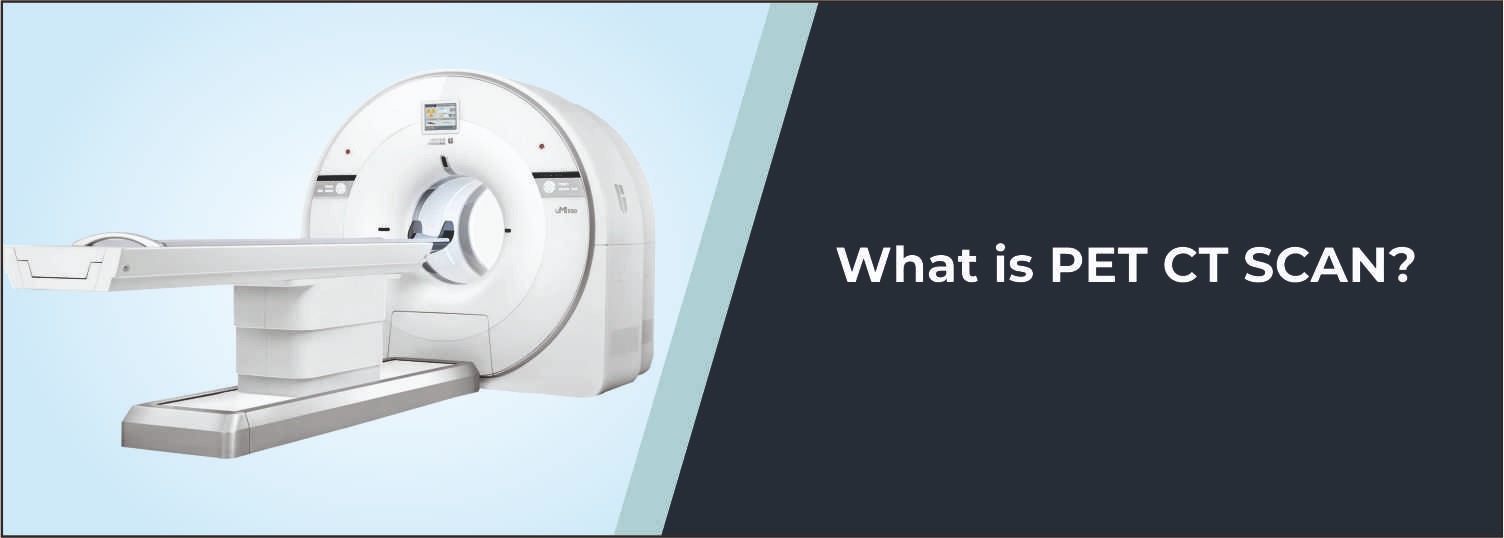
18F-FDG Whole-Body PET-CT with Brain
₹24000
Schedule an appointment for your 18F-FDG Whole-Body PET-CT with Brain Scan at Molecular Diagnostics and Therapy, an NABL- and NABH-accredited diagnostic centre that offers state-of-the-art Nuclear Medicine and Radiology Services. Fluorine-18 Fluorodeoxyglucose (18F-FDG) is a special type of PET scan that doctors use to check the level of glucose (sugar) burning in the body, including the brain. PET provides functional information, and CT provides detailed anatomic information. We have highly trained nuclear medicine specialists and observe proper radiation safety to ensure precise scanning and report preparation.
About 18F - FDG Whole Body PET/CT with Brain
18F-FDG Whole-Body PET-CT with Brain Scan is a nuclear medicine study that assesses metabolic activity in the entire body in addition to the brain. The 18F-FDG tracer is similar to glucose and tracks glucose-metabolizing tissue. Advanced PET-CT technology helps minimize the risk of abnormalities in interpreting the results by capturing both functional and anatomical data in various organs and tissues, including the brain, to help doctors interpret abnormal metabolic activity.
What is an 18F-FDG Whole-Body PET-CT with Brain?
18F-FDG Whole-Body PET-CT with Brain uses a small amount of radioactive 18F-FDG tracer administered by intravenous injection. The PET component reveals areas of higher or lower glucose uptake, and CT offers detailed anatomical data. The two images are used to help doctors assess abnormal metabolic activity and relate it to the structural abnormalities.
Common Reasons for 18F - FDG Whole Body PET-CT With Brain
- Detection and staging of cancer
- Evaluation of metastatic disease
- Assessment of suspected cancer recurrence
- Evaluation of treatment response
- Assessment of abnormal brain metabolism
- Evaluation of suspected brain lesions
- Localization of metabolically active lesions
- Treatment planning and follow-up
Conditions Evaluated
Cancer
Helps identify areas of abnormal glucose metabolism associated with various types of cancer.
Metastatic Disease
Can help evaluate possible spread of cancer to lymph nodes, bones, brain, and other organs.
Recurrent Cancer
Supports evaluation of suspected recurrence after previous cancer treatment.
Brain Abnormalities
Helps assess abnormal glucose metabolism in the brain and may support evaluation of selected neurological conditions.
Brain Tumors
Can help evaluate metabolic activity associated with known or suspected brain tumors along with anatomical CT findings.
Who Should Consider This Scan?
Your doctor recommends an 18F-FDG Whole-Body PET-CT with Brain Scan if you:
- Have suspected or confirmed cancer
- Need whole-body cancer staging
- Have suspected recurrent or metastatic disease
- Require assessment of treatment response
- Have an abnormal brain imaging finding requiring further evaluation
- Need evaluation of brain metabolic activity along with whole-body imaging
Benefits of 18F-FDG Whole-Body PET-CT With Brain
- Provides whole-body functional imaging with brain evaluation
- Helps identify areas of abnormal glucose metabolism
- Combines PET functional information with CT anatomy
- Helps assess disease spread and recurrence
- Supports treatment planning and response assessment
- Provides additional metabolic information about the brain
Why Choose Molecular Diagnostics and Therapy?
- Experienced Nuclear Medicine Specialists
- Advanced PET-CT Imaging Technology
- NABL & NABH Accredited Diagnostic Centre
- Accurate and reliable reporting
- Appropriate radiation safety protocols
- Affordable and transparent pricing
- Comprehensive Nuclear Medicine, Radiology, and Pathology services under one roof
Book Your 18F-FDG Whole-Body PET-CT with Brain.
Schedule your 18F-FDG Whole-Body PET-CT with Brain Scan at Molecular Diagnostics and Therapy. Our state-of-the-art nuclear medicine team offers high-end functional and anatomic imaging services that assist physicians in assessing cancer, metastatic disease, recurrence, response to therapy, as well as abnormal metabolic activity within the brain.
Test information: Fasting for 6–8 hours before the scan.
Reporting: Within 24 hours*
- Fasting is generally required before an 18F-FDG PET-CT scan. Follow the fasting duration provided by the Nuclear Medicine team.
- Stay adequately hydrated with plain water unless otherwise advised by your doctor.
- Avoid strenuous physical activity before the scan, as increased muscle activity can affect FDG distribution.
- Inform the Nuclear Medicine team if you have diabetes, as blood glucose management and medication instructions may need to be adjusted for the scan.
- Provide details of your current medications, ongoing treatments, and previous cancer or neurological investigations.
- If you are pregnant, may be pregnant, or are breastfeeding, inform the Nuclear Medicine team before the examination.
- Carry previous PET-CT, CT, MRI, biopsy, blood test reports, or other relevant medical records, if available.
- Do not stop or change any prescribed medication unless specifically advised by your doctor.
- Follow all instructions regarding fasting, hydration, medications, and activity provided before the scan.
- Follow the radiation-safety and post-scan instructions provided by the Nuclear Medicine team.
Talk to Health Expert
Health Articles