CECT Neck & Face
₹5000
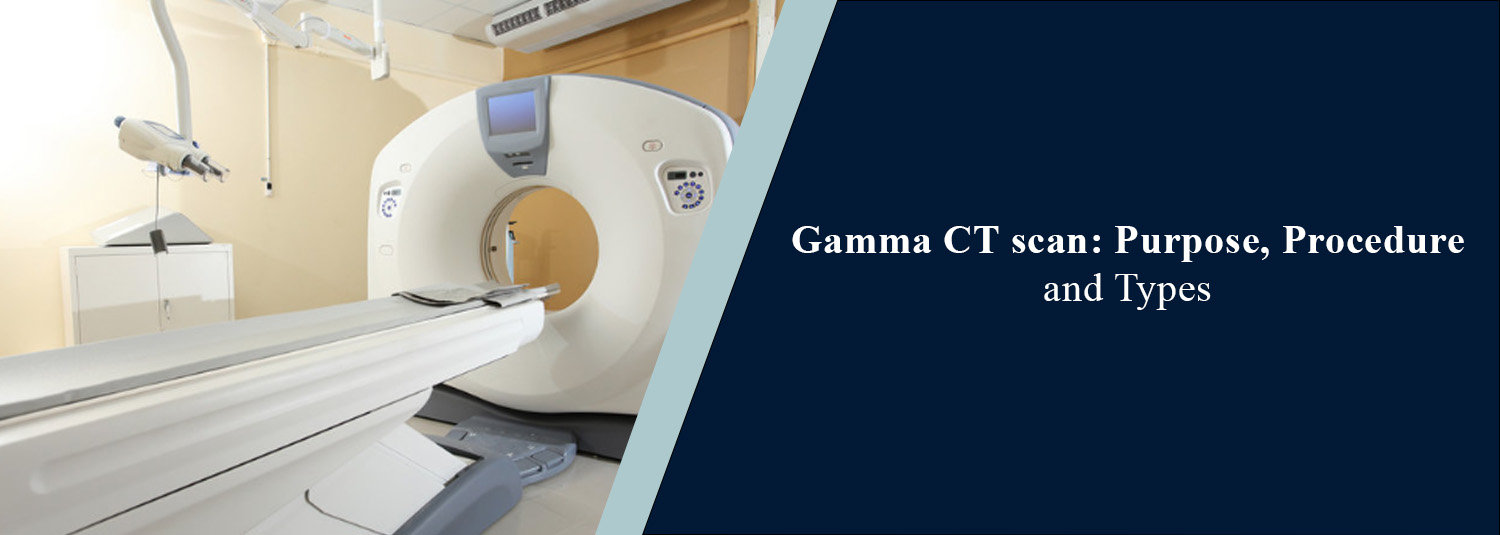
Make your appointment for a CECT Neck and Face procedure at an NABL and NABH-approved centre, Molecular Diagnostics and Therapy. Contrast-enhanced computed tomography (CECT) is a new and superior technology that provides cross-sectional imaging of the neck and facial region with IV contrast, hence providing an enhanced resolution image as compared to unenhanced computed tomography (CT). This thorough scan allows doctors to make accurate diagnoses of tumours, infections, inflammatory disorders, enlargement of lymph nodes, disorders of the salivary glands, thyroid and vascular diseases, traumatic injuries and other disorders involving the head and neck region.
About CECT Neck & Face
CECT Neck & Face is a well-executed procedure by using X-ray, IV contrast dye, and Computer technology to create detailed images of cross sections of the Neck & Facial Regions. Contrast dyes help to visualize soft tissue, blood vessels, glands, lymph nodes, and abnormal tissue, giving a thorough view of the superficial and deep structures.
Advanced CT technology is used at Molecular Diagnostics and Therapy to create high-quality images with contrast and resolution, assisting ENT professionals, maxillofacial surgeons, oncologists, plastic surgeons, and physicians with the diagnosis and treatment of complex head and neck disease.
What is a CECT Neck & Face?
The CECT Neck & Face is a non-invasive computed tomography (CT) scan of the neck and face area that requires no surgery, but instead involves an IV dye that is inserted. It helps your doctor get detailed pictures of the neck and face to fully assess the condition of tumours, infections, inflammatory diseases, vascular abnormalities, enlarged lymph nodes, glandular disorders or other conditions that you might not be able to evaluate on routine imaging.
These tests are routinely booked for patients with persistent facial or neck swelling, for anyone with a suspected cancer, deep neck infections, and for all salivary gland conditions, vascular lesions, and thoroughly, before surgery or treatment.
Common Reasons for CECT Neck & Face
- Persistent neck or facial swelling
- Suspected head and neck tumours
- Enlarged cervical lymph nodes
- Thyroid or salivary gland disorders
- Deep neck or facial infections
- Difficulty swallowing or persistent throat symptoms
- Assessment of vascular abnormalities
- Pre-operative evaluation
- Follow-up after surgery, chemotherapy, or radiation therapy
Conditions Evaluated
Head and Neck Tumours
Helps detect and evaluate benign and malignant tumours involving the neck, face, salivary glands, and surrounding soft tissues.
Enlarged Lymph Nodes
Assesses enlarged or abnormal cervical lymph nodes caused by infection, inflammation, or malignancy.
Thyroid and Salivary Gland Disorders
Evaluates thyroid enlargement, nodules, salivary gland tumours, infections, cysts, and stones.
Deep Neck and Facial Infections
Detects cellulitis, abscesses, inflammatory changes, and spread of infection into deep soft tissues.
Vascular Abnormalities
Provides enhanced visualization of blood vessels to detect vascular malformations, aneurysms, and other vascular disorders.
Soft Tissue and Airway Disorders
Evaluates abnormalities affecting the pharynx, larynx, facial muscles, upper airway, and surrounding soft tissues.
Who Should Consider This Scan?
Your doctor may recommend this examination if you:
- Have persistent swelling of the face or neck
- Have suspected tumours or enlarged lymph nodes
- Experience difficulty swallowing or persistent throat symptoms
- Have suspected thyroid or salivary gland disorders
- Require evaluation of deep facial or neck infections
- Need comprehensive imaging before surgery or follow-up after treatment
Benefits of CECT Neck & Face
- Provides detailed contrast-enhanced images of the neck and facial region
- Helps detect tumours, infections, glandular disorders, enlarged lymph nodes, and vascular abnormalities
- Offers excellent visualization of soft tissues and blood vessels
- Supports accurate diagnosis and treatment planning
- Fast, minimally invasive examination using advanced CT technology
- Enables comprehensive evaluation of complex head and neck conditions
Why Choose Molecular Diagnostics and Therapy?
- Experienced Radiologists
- Advanced Contrast-Enhanced CT Scan Technology
- NABL & NABH Accredited Diagnostic Centre
- Accurate and reliable reporting
- Affordable and transparent pricing
- Comprehensive Radiology and Pathology services under one roof
Book Your CECT Neck & Face
Schedule your appointment at Molecular Diagnostics and Therapy for CECT Neck and Face. Diagnostic imaging of the face and neck using safe, accurate, and timely contrast CT is available from our experienced clinical staff for a variety of conditions, including head and neck tumours, infections, thyroid and salivary gland disorders, vascular abnormalities, enlarged lymph nodes, complex cases, and more.
Test information: Fasting : 04 hours
Reporting: Within 24 hours*
- Fasting may be required before a CECT Neck & Face scan as intravenous (IV) contrast is administered during the examination. Follow the preparation instructions provided by your doctor or diagnostic centre.
- Inform your doctor and radiology team about any history of contrast allergy, kidney disease, diabetes (especially if taking metformin), thyroid disorders, asthma, or any previous reaction to contrast media.
- Inform your doctor if you are pregnant or think you may be pregnant before undergoing the scan.
- Wear comfortable clothing and remove neck chains, earrings, nose rings, spectacles, dentures (if advised), hearing aids, hairpins, jewellery, and metallic objects from the head, face, and neck region before the examination.
- Inform your doctor and radiology team about any history of neck surgery, facial surgery, thyroid surgery, salivary gland surgery, dental implants, orthodontic braces, maxillofacial procedures, tracheostomy, facial trauma, or previous fractures.
- Carry previous CT scans, MRI reports, X-rays, Ultrasound reports, PET-CT reports, ENT consultation notes, oncology records, maxillofacial consultation reports, or other relevant medical documents, if available, for comparison and accurate evaluation.
- Inform the radiology team if you have difficulty lying flat, swallowing, breathing comfortably, or remaining still during the examination.
- Follow the CT technician's instructions carefully and avoid unnecessary head, neck, or facial movements during image acquisition to obtain clear and accurate images.
- Arrive 10–15 minutes before your scheduled appointment for registration, preparation, and contrast-related assessment.
Talk to Health Expert
Health Articles