CT ORBIT AXIAL - Plain
₹3500
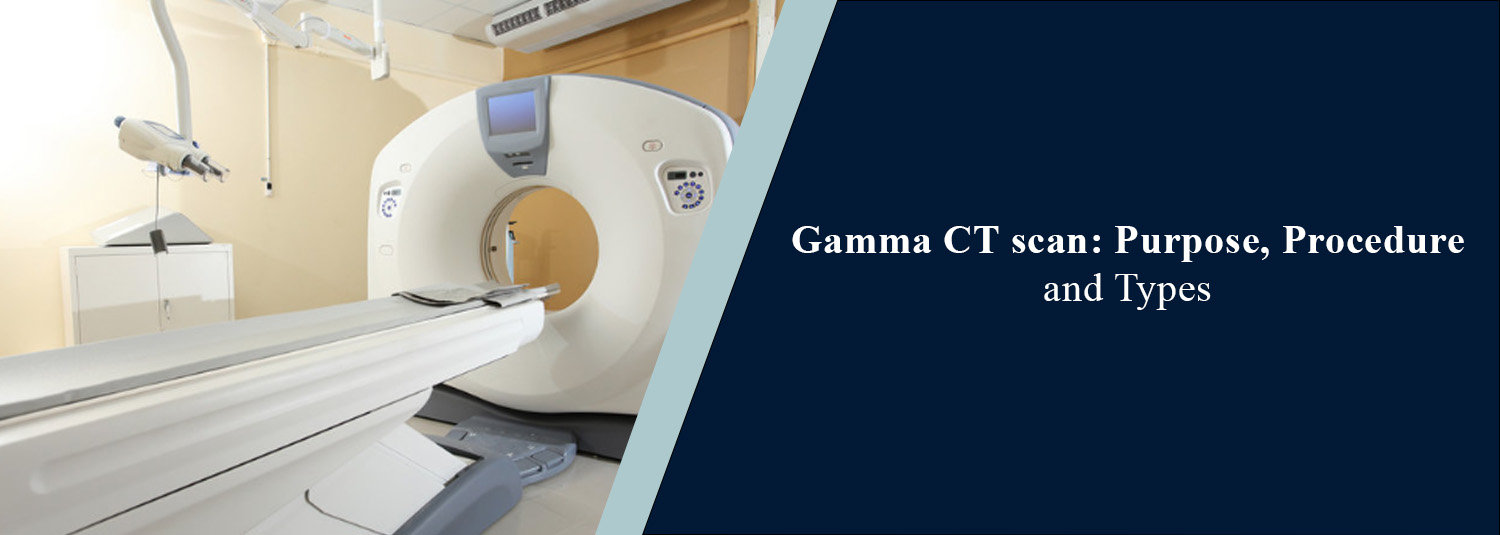
Book a CT Orbit Axial - Plain test at Molecular Diagnostics and Therapy, which is an advanced Radiology & Pathology diagnostic centre and is recognized as an NABL & NABH Accredited Centre. High-resolution Computed Tomography (CT) imaging, without contrasting agents, is available for advanced imaging of the eye sockets (orbits). This scan can aid doctors in the exact diagnosis of orbital fracture, eye injuries, foreign body in the eye, bone abnormalities, sinus extension into the orbit, and many other eye and surrounding structures problems. Our highly qualified and experienced radiologists employing the latest in CT scanner technology deliver high-quality, timely images that enable precise diagnosis and treatment planning.
About CT Orbit Axial - Plain
CT Orbit Axial - Plain is usually performed when an IV contrast is not needed to get detailed axial (horizontal) cross-sectional images of the orbit/eye sockets. It offers superb visualization of the orbital bones, eyeballs (globes), extraocular muscles, optic nerves, orbital fat, lacrimal glands, and adjacent paranasal sinuses.
Advanced computed tomography (CT) imaging technology at Molecular Diagnostics and Therapy brings a new level of imaging technology to the table and helps different medical specialties such as ophthalmologists, Nose, Throat specialists, neurologists, and trauma surgeons properly assess the orbital conditions of their patients.
What is a CT Orbit Axial - Plain?
CT Orbit Axial - Plain is a non-invasive imaging study performed without giving any intravenous contrast. It takes X-rays and computer technology to produce detailed images on the horizontal plane of the eye sockets and surrounding structures, which help the doctor evaluate any injuries to the eye sockets, confirm fractures, detect foreign bodies, and determine if other abnormalities are present in the eye sockets. Recommended after facial trauma, suspected orbital fracture or eye injuries, as well as possibly when there is trouble with the eye, unexplained orbital pain, or a detailed examination of the bony orbit.
Common Reasons for CT Orbit Axial - Plain
- Eye or facial injury following trauma
- Suspected orbital fracture
- Evaluation of orbital foreign bodies
- Persistent orbital pain
- Assessment of orbital swelling
- Evaluation of congenital orbital abnormalities
- Pre-operative assessment
- Follow-up after orbital surgery or trauma
Conditions Evaluated
Orbital Fractures
Detects fractures involving the orbital walls and surrounding facial bones.
Orbital Foreign Bodies
Identifies metallic or other foreign bodies lodged within the orbit.
Orbital Bone Abnormalities
Evaluates congenital or acquired abnormalities affecting the orbital bones.
Sinus Extension
Assesses diseases of the paranasal sinuses that may extend into the orbit.
Orbital Trauma
Evaluates injuries involving the eye socket and adjacent facial structures.
Post-Traumatic and Post-Surgical Changes
Monitors healing following orbital injuries or surgical procedures.
Who Should Consider This Scan?
Your doctor may recommend this examination if you:
- Have sustained an eye or facial injury
- Have suspected orbital fractures
- Experience persistent orbital pain or swelling
- Have suspected foreign bodies within the orbit
- Require evaluation before orbital surgery
- Need follow-up imaging after treatment
Benefits of CT Orbit Axial - Plain
- Provides detailed axial images of the orbital structures
- Helps detect fractures, foreign bodies, and bone abnormalities
- Supports accurate diagnosis of orbital trauma and disease
- Fast, painless, and non-invasive examination
- High-resolution imaging using advanced CT technology
- Enables effective treatment planning
Why Choose Molecular Diagnostics and Therapy?
- Experienced Radiologists
- Advanced CT Scan Technology
- NABL & NABH Accredited Diagnostic Centre
- Accurate and reliable reporting
- Affordable and transparent pricing
- Comprehensive Radiology and Pathology services under one roof
Book Your CT Orbit Axial - Plain
If you're searching for a CT Orbit Axial - Plain, CT Orbit Scan Cost, or the best CT scan centre, schedule an appointment at Molecular Diagnostics and Therapy. Our highly experienced clinical team ensures that timely and accurate CT imaging is performed of oral and facial trauma, including oral injuries, fractures, foreign bodies, and ophthalmic conditions in the orbit.
Test information: Fasting NOT required.
Reporting: Within 24 hours*
- No special preparation is usually required for a CT Orbit Axial - Plain scan.
- Wear comfortable clothing and remove spectacles, contact lenses (if advised), earrings, nose pins, hairpins, or any metallic objects around the head and face before the examination.
- Inform your doctor if you are pregnant or think you may be pregnant before undergoing the scan.
- Inform your doctor about any history of eye surgery, orbital implants, facial trauma, previous eye injuries, or presence of any foreign body in or around the eye.
- Carry previous CT scans, MRI reports, X-rays, ophthalmology consultation notes, ENT reports, or other relevant medical records, if available, for comparison and accurate assessment.
- If you have undergone any recent facial or eye-related treatment or surgery, inform the radiology team before the examination.
- Follow the CT technician's instructions carefully and keep your head completely still during image acquisition for clear and accurate images.
- Arrive 10–15 minutes before your scheduled appointment for registration and preparation.
Talk to Health Expert
Health Articles