CECT LEFT ANKLE
₹8000
Book a CECT Left Ankle at an NABL and NABH Accredited Diagnostic Centre, Molecular Diagnostics and Therapy. We use our cutting-edge technology, Contrast Enhanced (CE) CT Scan, which gives doctors fine-resolution images of your left ankle joint to diagnose injuries to the ligaments, bone abnormalities, infections, tumour problems, and fractures of the ankle joint area. Using state-of-the-art CT equipment, our well-trained radiologists guarantee the highest standards of imaging and deliver swift reports that help to make correct diagnoses and effective treatment planning.
About CECT Left Ankle
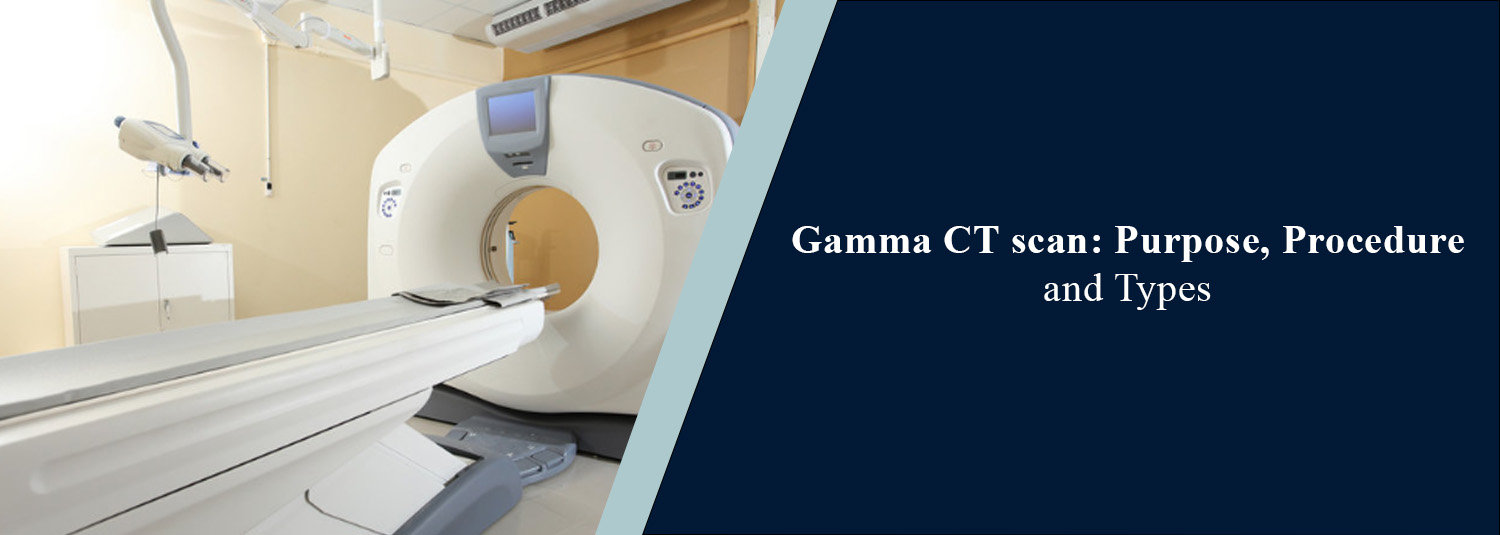
A CECT (Advanced CT Imaging) Left Ankle is a special type of imaging performed with the help of a special dye to get detailed information about the bones, joints, and other soft tissues around the ankle. It makes the tibia, fibula, talus, calcaneum, ankle joint space, ligaments, tendons, and the surrounding structures easily visible. Molecular Diagnostics and Therapy employs state-of-the-art CT technology to provide detailed information and evaluate complex ankle conditions more precisely.
What is CECT Left Ankle?
CECT Left Ankle is a Computed tomography scan of the left ankle joint with contrast dye to check the structure and condition of the ankle. Contrast enhances the contrast between soft tissues, blood vessels, inflammation, infections, and abnormal growth. In general, silicone socks are a great choice for patients suffering from chronic ankle pain, swelling, ankles that have been injured, suspected fractures, and patients in need of careful examination before treatment or surgery.
Common Reasons for CECT Left Ankle
- Left ankle injury due to fall, accident, or trauma
- Suspected complex ankle fractures
- Persistent ankle pain or swelling
- Evaluation of bone abnormalities
- Assessment of joint damage
- Suspected infection or inflammation
- Pre-surgical planning for ankle procedures
- Follow-up evaluation after treatment or surgery
Conditions Evaluated
Ankle Fractures
Helps detect complex fractures involving the tibia, fibula, talus, calcaneum, and ankle joint structures.
Joint Abnormalities
Evaluates ankle joint alignment, damage, and structural changes.
Bone Lesions
Helps identify cysts, tumours, infections, or other abnormalities affecting ankle bones.
Soft Tissue Abnormalities
Assesses surrounding tissues, tendons, and other structures around the ankle.
Inflammatory and Infectious Conditions
Helps evaluate swelling, infection, and inflammatory changes affecting the ankle region.
Post-Traumatic and Post-Surgical Changes
Monitors healing after fractures, reconstruction procedures, or other orthopedic treatments.
Who Should Consider This Scan?
Your doctor may recommend CECT Left Ankle if you:
- Have severe or persistent ankle pain
- Have suffered ankle trauma or injury
- Experience swelling or difficulty walking
- Have suspected complex fractures
- Need detailed evaluation before ankle surgery
- Require follow-up imaging after treatment
- Need assessment of bone or soft tissue abnormalities
Benefits of CECT Left Ankle
- Provides detailed images of ankle bones and soft tissues
- Helps detect complex fractures and joint abnormalities
- Supports accurate surgical planning
- Provides fast and precise imaging
- Helps doctors make accurate diagnoses
- Enables effective treatment planning
Why Choose Molecular Diagnostics and Therapy?
- Experienced Radiologists
- Advanced CT Scan Technology
- NABL & NABH Accredited Diagnostic Centre
- Accurate and reliable reporting
- Affordable and transparent pricing
- Comprehensive Radiology and Pathology services under one roof
Book Your CECT Left Ankle
To avail CECT Left Ankle Scan, CECT Ankle Scan Cost, or the best CT Scan centre, make an appointment today at Molecular Diagnostics and Therapy. You should count on our highly trained clinical staff for safe, accurate, and timely imaging for ankle injuries, fractures, joint disorders, and other orthopedic issues.
Test information: Fasting : 04 hours
Reporting: Within 24 hours*
- Fasting for 4–6 hours may be required before the examination if intravenous contrast is to be administered. Please follow the instructions provided by your doctor or the diagnostic centre.
- Drink adequate water before the scan unless your doctor has advised otherwise.
- Wear comfortable clothing and avoid jewellery, anklets, toe rings, or any metallic objects around the left ankle and lower leg.
- Inform the radiographer if you are pregnant or suspect you may be pregnant, as CT scans involve ionising radiation.
- Inform the staff about any history of allergy to iodinated contrast dye, asthma, kidney disease, diabetes, thyroid disorders, or previous reactions to contrast injections.
- Bring your doctor's referral along with any previous X-rays, CT scans, MRI scans, ultrasound reports, or orthopaedic imaging related to your left ankle for comparison.
- Continue taking your regular medications unless your doctor advises otherwise. If you are taking medication for diabetes (such as metformin), inform the radiology team before the scan.
- Inform the radiographer if you have undergone recent ankle surgery or have metal plates, screws, implants, or external fixation devices in your left ankle.
- Arrive at the diagnostic centre 20–30 minutes before your scheduled appointment for registration, screening, and contrast preparation.
Talk to Health Expert
Health Articles