CECT LEFT SHOULDER
₹8000
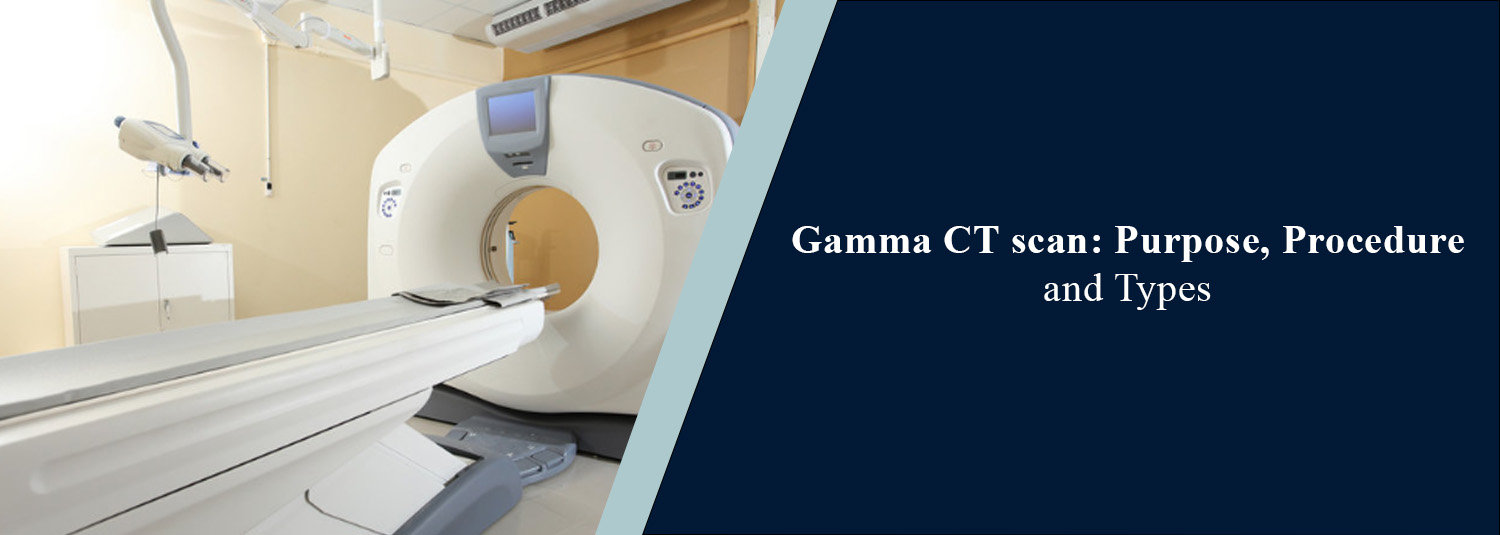
Book a CECT Left Shoulder at Molecular Diagnostics and Therapy, an NABL & NABH Accredited Diagnostic Centre. The use of an advanced Computed Tomography (CT) scan machine with contrast dye allows us to obtain detailed cross-sectional views of the left shoulder joint, bones, blood vessels, and nearby soft tissues. The scan assists doctors in an accurate diagnosis when dealing with tumours, infections, inflammatory conditions, vascular abnormalities, complex injuries, or other conditions involving the left shoulder. We employ high-end CT scan machines and report promptly with detailed contrast-enhanced images to make an accurate diagnosis and provide appropriate treatment planning.
About CECT Left Shoulder
The detailed cross-sectional imaging of the left shoulder region with the aid of X-rays, computer technology, and intravenous contrast dye is called a CECT Left Shoulder. Contrast enhances visualization of soft tissues, blood vessels, abnormal growths, inflammatory changes, and collections.
This scan offers a detailed study of the humeral head, glenoid, scapula, clavicle, shoulder joint, surrounding soft tissues, muscles, and vascular structures. Molecular Diagnostics and Therapy provides high-quality contrast-enhanced images for thorough analysis of complex shoulder issues using advanced CT technology.
What is a CECT Left Shoulder?
CECT Left Shoulder is an intravenous, non-invasive imaging exam of the left shoulder. It employs CT imaging technology to generate detailed images of the left shoulder and surrounding tissues, which assist doctors in finding any abnormal conditions that mandate further soft tissue and vascular assessment. It's often ordered to help diagnose a tumour, infection, inflammation, soft tissue mass, vascular abnormality, or complicated shoulder problem.
Common Reasons for CECT Left Shoulder
- Evaluation of soft tissue masses or tumours
- Suspected shoulder infection
- Persistent shoulder swelling or pain
- Assessment of inflammatory conditions
- Evaluation of vascular abnormalities
- Assessment of complex traumatic injuries
- Evaluation of collections or abscesses
- Pre-operative surgical planning
- Follow-up after treatment or surgery
Conditions Evaluated
Soft Tissue Tumours
Helps detect and evaluate benign or malignant growths involving the muscles and soft tissues around the shoulder.
Shoulder Infections
Assesses inflammatory changes, collections, abscesses, and infection involving the joint or surrounding tissues.
Vascular Abnormalities
Provides enhanced visualization of blood vessels and helps identify vascular lesions and abnormalities.
Inflammatory Conditions
Evaluates inflammation involving the shoulder joint and surrounding soft tissues.
Complex Traumatic Injuries
Assesses injuries involving bones, muscles, soft tissues, and vascular structures.
Post-Surgical and Post-Treatment Changes
Helps evaluate healing, recurrent lesions, and complications following surgery or treatment.
Who Should Consider This Scan?
Your doctor may recommend this examination if you:
- Have persistent left shoulder pain or swelling
- Have a suspected soft tissue tumour or mass
- Have suspected shoulder infection
- Require evaluation of vascular abnormalities
- Have complex shoulder injuries
- Require detailed imaging before surgery
- Need follow-up imaging after treatment
Benefits of CECT Left Shoulder
- Provides detailed contrast-enhanced images of the left shoulder
- Helps detect tumours, infections, and inflammatory changes
- Offers excellent visualization of soft tissues and blood vessels
- Supports accurate diagnosis and treatment planning
- Useful for pre-operative and post-treatment evaluation
- Fast and precise imaging using advanced CT technology
Why Choose Molecular Diagnostics and Therapy?
- Experienced Radiologists
- Advanced Contrast-Enhanced CT Scan Technology
- NABL & NABH Accredited Diagnostic Centre
- Accurate and reliable reporting
- Affordable and transparent pricing
- Comprehensive Radiology and Pathology services under one roof
Book Your CECT Left Shoulder
Schedule an appointment at Molecular Diagnostics and Therapy for a CECT Left Shoulder. We have a well-experienced clinical staff that ensures the accurate and timely delivery of a safe, timely, and accurate CT imaging service for left shoulder tumours, infection, inflammatory processes, vascular disorders, complex injuries, and other clinical conditions.
Test information: Fasting : 04 hours
Reporting: Within 24 hours*
- Fasting may be required before a CECT Left Shoulder scan because intravenous contrast is administered. Follow the preparation instructions provided by your doctor or diagnostic centre.
- Drink adequate water before and after the examination, unless your doctor has advised fluid restriction, to help eliminate the contrast material from your body.
- Inform your doctor and radiology team about any history of contrast allergy, kidney disease, diabetes (especially if taking metformin), asthma, heart disease, thyroid disorders, or previous reactions to contrast media.
- Inform your doctor if you are pregnant or think you may be pregnant before undergoing the scan.
- Wear comfortable, loose-fitting clothing and remove chains, necklaces, earrings, watches, bracelets, or other metallic objects around the left shoulder and upper chest.
- Inform your doctor about any history of left shoulder surgery, implants, infection, tumour, vascular abnormality, trauma, fracture, dislocation, or previous treatment involving the shoulder.
- Carry previous X-rays, CT scans, MRI reports, ultrasound reports, biopsy reports, orthopedic records, surgical records, or other relevant medical documents, if available, for comparison and accurate evaluation.
- Inform the radiology team if you have difficulty lying flat, remaining still, or positioning your left shoulder during the examination.
- Follow the CT technician's instructions carefully. You may be asked to hold your breath briefly during image acquisition when required to reduce motion artefacts.
- Arrive 15–20 minutes before your scheduled appointment for registration, preparation, IV cannulation, and contrast-related assessment.
Talk to Health Expert
Health Articles