NCCT LEFT LEG
₹3000
Non-contrast computed tomography is a detailed computed tomography (CT) scan of the left leg without the use of an X-ray dye to make the images clearer. It gives a high-resolution view of the tibia and fibula and associated bone structures to help doctors diagnose fractures, trauma, bone lesions, and other structural changes in the area. Advanced musculoskeletal imaging techniques with NCCT technology of CT imaging are used to perform NCCT Left Leg at Molecular Diagnostics and Therapy. The detailed images assist in diagnosis and monitoring of many different conditions involving the left leg.
About NCCT Left Leg
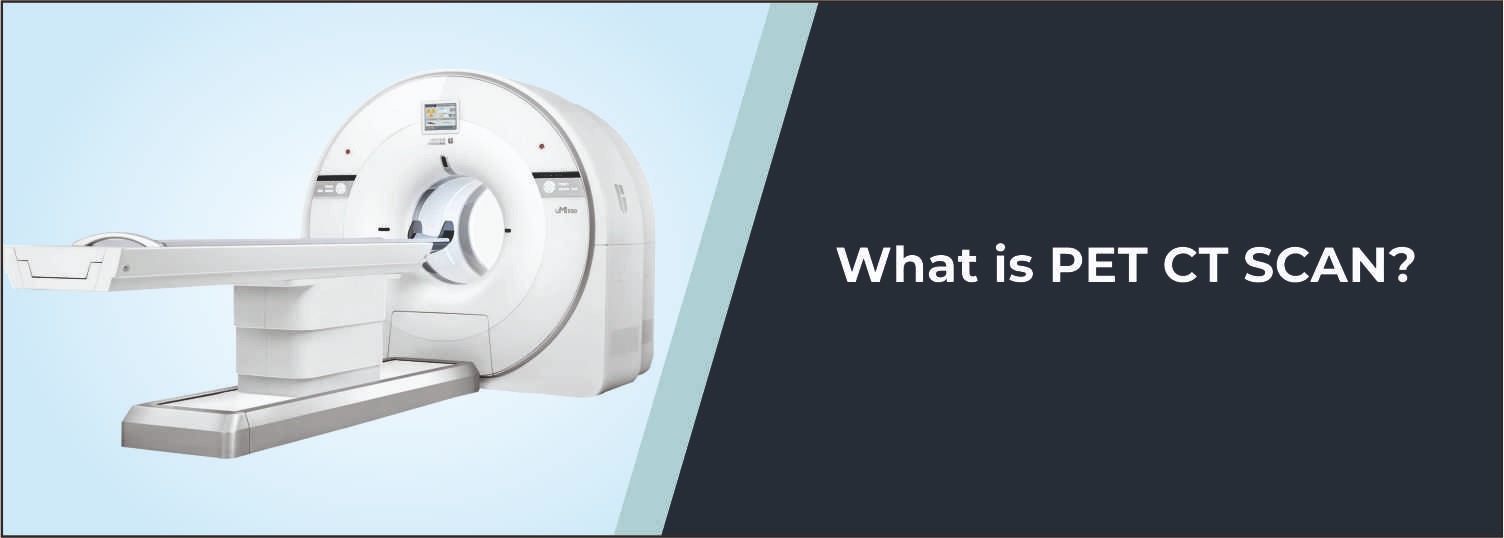
Non-Contrast Computed Tomography is an X-ray examination done without the use of intravenous contrast, and the images created are detailed cross-sections using a computerised image reconstruction process. It is useful for difficult fractures, minor bone injuries, joint involvement, and for complex bone structure abnormalities that need detailed evaluation.
What is NCCT Left Leg?
The patient is placed on the CT scanning table, and the left leg is positioned in the imaging protocol for an NCCT Left Leg procedure. Sequences of images are taken and reconstructed into detailed cross-sectional images. This scan shows fractures, alignment, displacement, joint involvement, and bone fragments, and this examination does not require contrast.
Common Reasons for NCCT Left Leg
- Evaluation of suspected fractures of the left leg
- Assessment of complex or subtle fractures
- Evaluation of injuries following trauma
- Assessment of bone alignment and displacement
- Investigation of persistent or unexplained leg pain
- Evaluation of bone lesions or structural abnormalities
- Assessment of joint involvement in selected injuries
- Preoperative planning for certain orthopaedic conditions
- Follow-up of known fractures or bone abnormalities
Conditions Evaluated
Leg Fractures
NCCT can provide detailed information about the location, extent, alignment, and displacement of fractures involving the tibia, fibula, or adjacent bones.
Complex Traumatic Injuries
The examination can help assess complicated bony injuries following significant trauma.
Bone Lesions
Selected bone lesions and structural abnormalities can be evaluated in greater anatomical detail using CT.
Joint-Related Injuries
When a fracture extends toward a joint, CT can help demonstrate the extent of joint-surface involvement.
Bone Alignment Abnormalities
The scan can provide detailed information about the position and alignment of bones within the scanned region.
Who Should Consider This Scan?
Your doctor may recommend NCCT Left Leg if you:
- Have experienced trauma or injury to the left leg
- Have persistent leg pain or swelling
- Have a suspected fracture requiring detailed evaluation
- Have a complex or displaced fracture
- Need assessment of bone or joint alignment
- Have a known bone abnormality requiring follow-up
- Require detailed imaging before selected orthopaedic procedures
Benefits of NCCT Left Leg
- Provides detailed cross-sectional images of the left leg
- Offers high-resolution assessment of bony structures
- Helps identify subtle and complex fractures
- Demonstrates fracture displacement and joint involvement
- Supports orthopaedic treatment and surgical planning
- Does not require intravenous contrast for routine examination
Important Preparation and Safety Instructions
- Routine NCCT generally does not require fasting unless specifically instructed.
- Wear comfortable clothing and follow the positioning instructions provided by the radiology team.
- Remove metallic objects from the scanning area when requested.
- Inform the team about previous injuries, surgeries, or implants involving the leg.
- Bring previous X-rays, CT scans, MRI reports, or other relevant investigations.
- Inform the medical team if you are pregnant or may be pregnant.
- Remain still during scanning to obtain clear images.
Why Choose Molecular Diagnostics and Therapy?
- Experienced Radiology Professionals
- Advanced CT imaging technology
- Detailed musculoskeletal imaging protocols
- High-quality cross-sectional imaging
- Accurate and reliable reporting
- NABL & NABH Accredited Diagnostic Centre
- Patient-focused diagnostic services
- Comprehensive Nuclear Medicine, Radiology, and Pathology services under one roof
Book Your NCCT Left Leg
If a doctor has advised detailed imaging of the left leg following trauma, persistent pain, suspected fracture, or another bone abnormality, NCCT Left Leg provides valuable information about the bones and related structures. Molecular Diagnostics and Therapy provides advanced CT imaging with appropriate professional supervision and patient-focused care.
Test information: Fasting NOT required.
Reporting: Within 24 hours*
- Routine NCCT Left Leg generally does not require fasting or any special preparation unless specifically advised by the doctor or radiology team.
- Inform the radiology team about your symptoms, recent left-leg injury, previous fracture, dislocation, or leg-related surgery.
- Inform the medical team about any previous injuries, surgeries, implants, or other treatments involving the left leg.
- Bring previous X-rays, CT scans, MRI reports, or other relevant investigations if available.
- Wear comfortable clothing that allows the left leg to be positioned easily for the examination.
- Remove metallic objects from the scanning area when requested.
- Inform the medical team if you have any implanted medical device or metallic material in the area being examined.
- Inform the radiology team if you are pregnant, planning pregnancy, or there is a possibility of pregnancy.
- Follow all positioning instructions provided by the radiology staff.
- Keep the left leg as still as possible during image acquisition to avoid movement-related blurring.
- Inform the radiology team if pain, swelling, or an injury makes it difficult to maintain the required position.
Talk to Health Expert
Health Articles