NCCT LEFT WRIST
₹1500
Get your NCCT Left Wrist Scan at Molecular Diagnostics and Therapy, an NABL & NABH Accredited Diagnostic Centre, for detailed evaluation of the bones and joints of the left wrist. Non-Contrast Computed Tomography (NCCT) provides high-resolution cross-sectional images that help identify fractures, bone alignment problems, and other structural abnormalities. With advanced CT technology and experienced radiology specialists, we provide accurate imaging and reliable reporting to support timely diagnosis and treatment planning.
About NCCT Left Wrist
NCCT Left Wrist is a specialized CT examination used to assess the bones, joints, and surrounding structures of the left wrist. It provides more detailed bony information than a routine X-ray and can be particularly useful when a complex fracture or subtle bone abnormality needs further evaluation. The scan is performed without contrast dye, making it suitable for detailed assessment of the wrist's bony structures in a relatively quick and non-invasive examination.
What is an NCCT Left Wrist Scan?
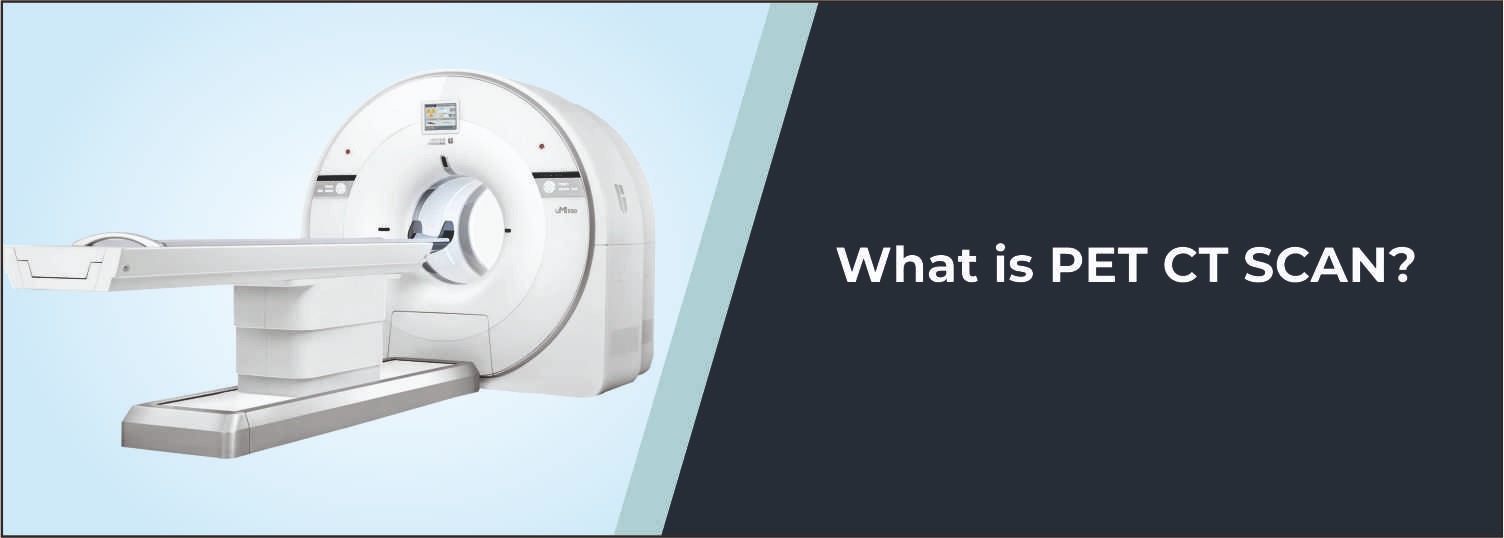
NCCT Left Wrist stands for Non-Contrast Computed Tomography of the Left Wrist. The CT scanner uses X-rays to create multiple cross-sectional images of the wrist, which are processed by a computer to produce detailed images of the bones and joints. These images can help the radiologist assess the location and extent of fractures, joint alignment, bone fragments, and other abnormalities. Three-dimensional image reconstruction may also be useful in selected cases, particularly for complex injuries.
Common Reasons for NCCT Left Wrist
- Evaluation of suspected wrist fractures
- Assessment of complex or multiple fractures
- Detection of subtle fractures not clearly seen on X-ray
- Evaluation of bone alignment and joint involvement
- Assessment of fracture displacement
- Evaluation of wrist injuries after trauma
- Pre-operative planning for complex fractures
- Follow-up assessment of selected bone injuries
Conditions Evaluated
Wrist Fractures
NCCT can provide detailed information about the location, extent, and pattern of fractures involving the bones of the wrist.
Complex Fractures
CT imaging can help evaluate fractures with multiple fragments or complicated patterns that may be difficult to assess adequately with conventional X-rays.
Joint Involvement
The scan can help determine whether a fracture extends into the wrist joint and assess the relationship between the affected bones.
Bone Alignment
CT images allow detailed evaluation of the alignment and positioning of the wrist bones following an injury.
Bone Abnormalities
NCCT may help identify certain structural abnormalities of the wrist bones and provide additional information when other imaging findings are inconclusive.
Who Should Consider This Scan?
Your doctor may recommend an NCCT Left Wrist Scan if you:
- Have sustained an injury or trauma to the left wrist
- Have persistent wrist pain following an injury
- Have a suspected fracture requiring detailed assessment
- Have an abnormal or unclear X-ray finding
- Require evaluation of a complex wrist fracture
- Need detailed imaging before fracture treatment or surgery
- Require follow-up imaging for a known wrist injury
Benefits of NCCT Left Wrist
- Provides detailed cross-sectional images of the wrist
- Excellent visualization of bony structures
- Helps detect and characterize complex fractures
- Provides information about fracture alignment and displacement
- Helps assess joint involvement
- Supports treatment and surgical planning
- Quick and non-invasive examination
- Does not require contrast injection
Why Choose Molecular Diagnostics and Therapy?
- Experienced radiology specialists
- Advanced CT imaging technology
- NABL & NABH Accredited Diagnostic Centre
- Accurate and reliable reporting
- Appropriate radiation safety protocols
- Affordable and transparent pricing
- Comprehensive diagnostic and imaging services under one roof
Book Your NCCT Left Wrist Scan
Book your NCCT Left Wrist Scan at Molecular Diagnostics and Therapy for detailed evaluation of wrist injuries, fractures, and bone abnormalities. Our experienced team uses advanced CT imaging to provide clear diagnostic information for effective clinical decision-making.
Test information: No fasting is required.
Reporting: Within 24 hours.
- No special preparation or fasting is usually required for an NCCT Left Wrist scan.
- Since this is a non-contrast CT examination, contrast dye is not injected.
- Wear comfortable clothing and remove watches, bracelets, rings, or other metal objects from the wrist and surrounding area before the scan.
- Inform the radiology team if you are pregnant or think you may be pregnant.
- Bring previous X-rays, CT scans, or other relevant wrist imaging reports if available.
- Inform the radiology team about any significant medical conditions or recent injuries.
- Follow any additional instructions provided by your doctor or the diagnostic center.
Talk to Health Expert
Health Articles