NCCT LUMBAR SPINE
₹2500
Book your NCCT Lumbar Spine scan at Molecular Diagnostics and Therapy, an NABL- and NABH-accredited diagnostic centre, which can provide a detailed evaluation of the lower back and spine with advanced CT and Radiology services, allowing for the NCCT Lumbar Spine examination. A specialized non-contrast CT scan of the lumbar spine is called NCCT Lumbar Spine and allows for high-resolution cross-sections of the vertebrae, vertebral canal, facet joints, vertebral arches, and other bones in the lumbar spine region.
This may help evaluate certain causes of lower back pain, particularly bony abnormalities, if you suspect you have broken a vertebra, traumatic injuries, degeneration, vertebral anomalies, and other issues with the lumbar spine. Molecular Diagnostics and Therapy offers complete diagnostic imaging for patients under a single roof, equipped with experienced radiologists, high-end imaging technology, safe practices, reporting, and dedicated patient care.
About NCCT Lumbar Spine
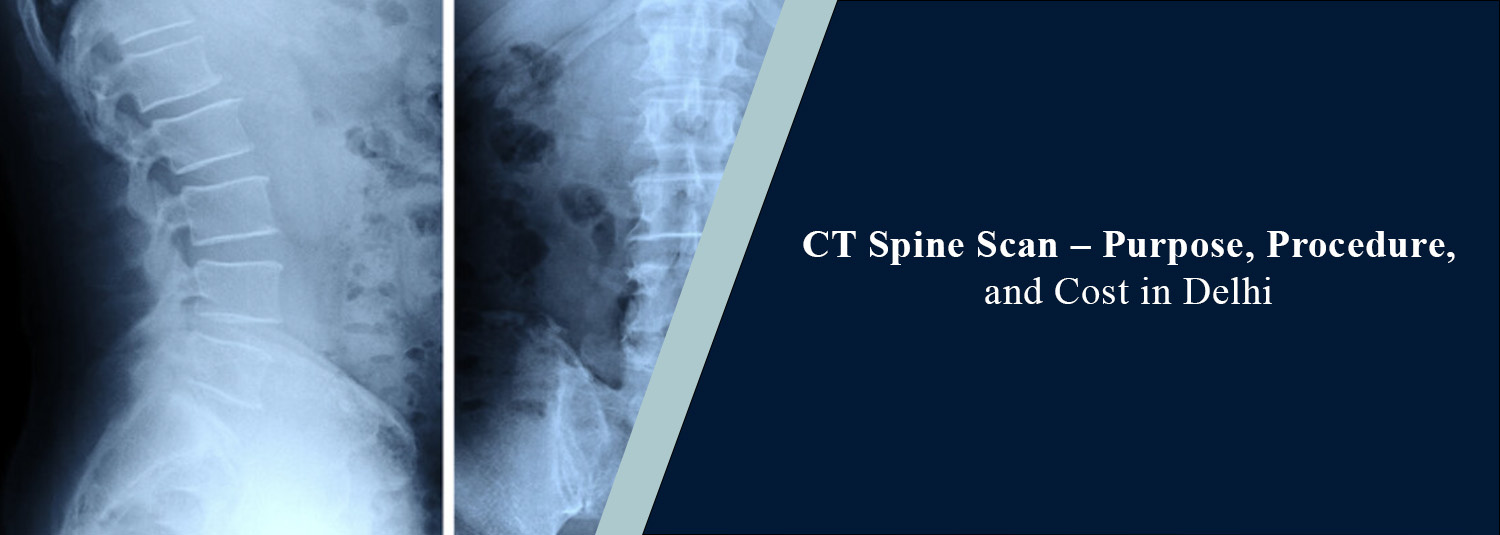
NCCT Lumbar Spine is an advanced X-ray scan to get detailed images of the lumbar region of the spine. The back portion, called the lumbar section, is responsible for carrying a large portion of the body's weight. The study shows the bone surfaces of the lumbar vertebrae, facet joints, spinal canal, posterior elements, and more. Examining the bones of the spine in particular, either following a trauma or when they are affected by disease and the structure or integrity is compromised, is particularly useful.
What is NCCT Lumbar Spine?
A computed tomography scan (also called a lumbar spine computed tomography or NCCT) is a technique that uses X-rays of computed tomography (CT) to provide detailed images of the lumbar spine, but without the use of contrast material. CT is able to show the details of the complex anatomy and bones of the spine. It can assist in determining fractures, low back spine alignment, patterns of spinal degeneration, bone abnormalities, and more.
Common Reasons for NCCT Lumbar Spine
Suspected Lumbar Fracture
Analysis can give clear, high-resolution images of the lumbar vertebrae and aid in detecting cracks, especially trauma and compression fractures.
Back Injury or Trauma
After a fall, accident, sports injury, or other trauma, CT is useful to evaluate the lumbar spine for fractures, displacement, and other trauma-related changes.
Degenerative Spinal Changes
Changes due to the degeneration of bones from wear and tear can be demonstrated in the spine using NCCT as a useful imaging technique, such as the presence of bony spurs and joint changes in the spine.
Suspected Spinal Alignment Abnormality
The exam may help determine an appropriate alignment and decide on the location of the lumbar vertebra and its abnormal displacement.
Follow-Up After Injury or Surgery
NCCT can be used to assess healing and alignment of the spine following treatment or surgery, or to assess changes in the bone in the lumbar spine.
Conditions Evaluated
Lumbar Spine Fractures
NCCT can be utilized to see details of fractures of the lumbar spine, including complex traumatic or compression fractures.
Vertebral Abnormalities
The exam may be useful in detecting structural issues with the lumbar vertebrae and their bony parts.
Degenerative Changes
CT imaging can show the lumbar spine degenerative bony changes, osteophytes, degeneration of facet joints, and other structural characteristics of the lumbar spine.
Spinal Alignment Abnormalities
NCCT is useful to assess the alignment of your spine's lower level (lumbar) and can detect if there is any displacement or abnormal positioning of the spine's lower level.
Facet Joint Abnormalities
The facet joints can be assessed for degenerative changes, traumatic abnormalities, and other structural conditions.
Bone Lesions
The NCCT can identify some focal bone lesions, abnormal bone growth, or other bony changes in the lumbar vertebrae.
Traumatic Changes
The exam may assess the spinal damage that can have been caused by a road traffic collision, fall injury, sporting incident, or any other trauma.
Post-Surgical Changes
The NCCT can be useful for evaluating the bony structures, surgical alterations, and spinal alignment for follow-up after spine procedures in the lumbar region.
Why Choose Molecular Diagnostics and Therapy?
Molecular Diagnostics and Therapy is an NABL/NABH Accredited Diagnostic Centre with highly experienced specialists offering state-of-the-art CT and Radiology services in the field with modern imaging technology. The centre prioritizes imaging, dependability, safety measures, cost transparency, and patient care. The integrated diagnostic services allow for all these facilities to be provided at a single location, giving patients convenient, high-quality imaging care as needed.
Book Your NCCT Lumbar Spine
NCCT Lumbar Spine may offer useful diagnostic data for a patient with a recent injury to the back, a suspected fracture of the spine in the lumbar area, or another condition that requires detailed examination of the spine in this region. Call Molecular Diagnostics and Therapy to find out more about the NCCT Lumbar Spine examination, availability, preparation, and scheduling.
Test information: Usually, no fasting is required.
Reporting: Within 24 hours*
- Usually, no fasting is required for an NCCT Lumbar Spine scan.
- Inform the radiology team about any previous lumbar spine surgery, fracture, dislocation, injury, or treatment.
- Inform the radiology team if you have metallic implants, plates, screws, fixation devices, or other medical hardware in the lumbar spine or nearby areas.
- Inform the radiology team if you are pregnant or planning a pregnancy, as CT uses ionising radiation.
- Share details of your current medicines and any relevant medical conditions.
- Bring previous CT scans, X-rays, MRI scans, or other relevant spine reports, if available.
- Remove jewellery, belts, or other unnecessary metal objects before the examination.
- Wear comfortable clothing that allows proper positioning for the scan.
- Inform the radiology team if severe lower back pain makes it difficult to lie down or maintain the required position.
- Keep your lower back and body still during image acquisition to help obtain clear images.
- Follow any additional instructions provided by the radiology team according to your clinical condition.
Talk to Health Expert
Health Articles