How Air Pollution Affects Lung Health?
Talk to Health Expert

Dr. Nikunj Jain
Co-Founder and HOD - Nuclear Medicine ,MBBS, DRM, DNB, FEBNM, FANMB, Dip. CBNC
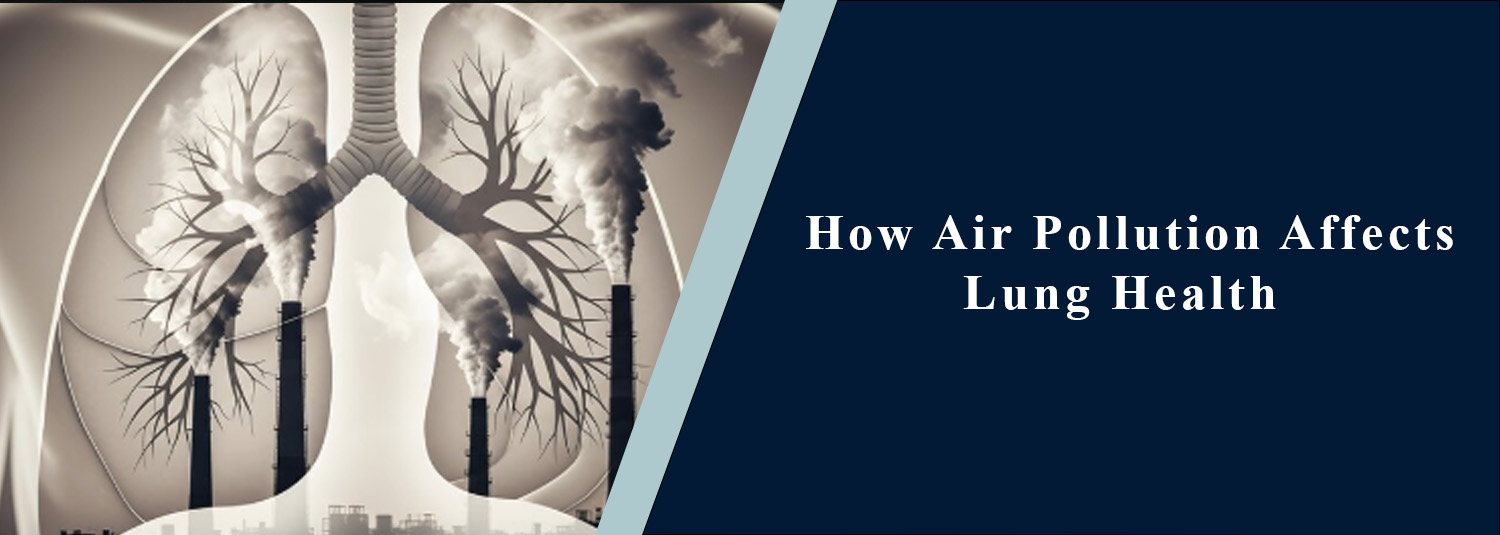
Air pollution is among the increasingly serious environmental health problems in the world. Urbanization, along with a heightened use of fuel and intensive industrial development have led to poor air quality in many cities in recent years, and the increased amount of vehicles on the roads has also been a factor. Although the air pollution impacts multiple body systems, especially the lungs, which are susceptible as they are constantly exposed to the outside environment through breathing.
People inhale and exhale thousands of litres of air each day. When the air is polluted with harmful substances, this air should be 'cleaned' and 'filtered' in the lung / respiratory tract system. In the long-term, chronic exposure to air pollution can affect the tissue in the lungs and negatively impact lung function; in some cases, it could even lead to serious diseases of the lungs in the long term. It is important to understand the impact of air pollution on the respiratory tract in order to reduce air pollution and to promote long-term health.
What Is Air Pollution?
Chemicals, when present in the atmosphere, can harm human health or the environment, resulting in Air Pollution. A significant amount of these pollutants is emitted from human sources, but there are also sources of pollutants from nature, such as wildfires and dust storms.
Particulate matter (PM2.5 and PM10), nitrogen dioxide, sulfur dioxide, carbon monoxide, ozone, and volatile organic compounds are the typical air pollutants. These contaminants can escape into the atmosphere and, on being inhaled, can cross the respiratory tract. Of those, fine particulate matter stands out because of its size, allowing it to penetrate into the lungs and blood.
How do the Lungs Protect the Body?
The concentration of bacteria and toxins can cause a lot of damage to the body, and it means that the natural barrier is forced to defend the body throughout the respiratory system. The passages in the lungs have extremely small projections (cilia) that trap and remove dust, bacteria, and poisons from the air. Mucous secretion also plays an important role in trapping the foreign particles from reaching the lower structures of the lungs.
But these responses can become exhausted when harmful air pollution exposure is frequent and/or severe. These dangerous fragments and lethal gases can penetrate the protective line and harm the lungs either by inflammation and irritation (which can become permanent) or by their toxic effects.
Immediate Effects of Air Pollution on the Lungs
A person who is sensitive to pollution may show symptoms of the illness immediately after exposure to the polluted air. One may cough, have an irritated throat, wheeze, pain in his/her chest, or difficulty breathing after spending time in areas of low air quality.
The result of the pollutants on the airways is causing irritation and inflammation of the airways, which is, in turn, a symptom. It is also possible to have breathing difficulties, which can make breathing more difficult for some people; this may only affect healthy people to a degree during peak air pollution periods and may be worse for people who have a medical condition that makes breathing difficult. Children, seniors, and people with asthma are especially vulnerable to coming through the effects of these acute effects.
Air Pollution and Asthma
Asthma is one of the main lung diseases that is influenced by air pollution. Pollutants can cause coughing, wheezing, tightness in the chest, and make breathing more difficult for people with asthma, and can irritate the passages in their lungs.
Air pollutants may worsen asthma symptoms even more in the long-term and increase the number of attacks. The lungs of children are not fully developed, with much more sensitivity to the effects of environmental pollution, especially in children with asthma. Minimising exposure to air pollution can be a big component of asthma management and prevention.
Increased Risk of Chronic Lung Diseases
Exposure to air pollution is associated with chronic respiratory diseases if it is a chronic exposure. Chronic exposure to contaminated air is also likely to lead to chronic bronchitis and chronic obstructive pulmonary disease (COPD) from time to time in people who have chronic exposure.
The lungs can suffer over time from repeated exposure to the pollution, doing damage to the tissue and making the airways smaller. This may lead to reduced lung function, continuing coughing, excessive amounts of mucus, and continuing respiratory issues. Individuals who smoke and/or are exposed to pollutants at their place of work are even more susceptible to the impacts of pollution.
Impact on Lung Development in Children
Remember, children's lungs are growing as they are developing, and it is very sensitive to air pollution. They also have shorter snouts than adults and breathe more frequently, meaning that they are more likely to take in pollutants that are present in the air.
Air pollution exposure has been shown to affect the normal growth and development of this organ and can be a risk for poor lung function in adulthood. Kids living in the region with very high O3 could be at greater risk for respiratory illness, asthma, and other lung illness problems. It is important to ensure air pollution protection not only for the health of children, but also for the development of their respiratory system.
Air Pollution and Lung Infections
Dirty air also impairs the lungs' ability to fend off respiratory infections. The pollutants can be so disruptive to the cleaning activity of cilia and immune cells in the airways that they are not as effective at removing harmful microorganisms.
This puts the person at risk of developing infections like bronchitis and pneumococcal disease (pneumonia) and other respiratory diseases. Poor air quality exposure may result in a more intense illness and longer duration of sickness in people with preexisting lung disease. It is even more crucial to maintain healthy lung function in an environment of pollution.
Link Between Air Pollution and Lung Cancer
Air pollution has been seen to be closely linked to the occurrence of lung cancer. Exposure to polluted air can introduce fine particulate matter and some toxic chemicals that can cause changes in the cellular DNA and lead to cancerous changes in the lungs.
While tobacco use is still the top cause of lung cancer, air pollution has become a major concern, especially for people with poor air quality who reside in urban areas. The danger could be more than ever if there are other pollution exposures, in addition to smoking or exposure at work.
Conclusion
This is an important problem concerning the sensitivity of the lungs and the adverse effects of air pollution on all human beings, especially on children. Polluted air can create a variety of side effects that affect the lungs, from temporary lung irritation resulting in asthma attacks to an increase in lung disease or infection.
Lung function and health will be significantly enhanced if these hazards can be properly identified and preventative action taken to minimise exposure to these hazards. Yet respiratory protection is fundamental, and control, prevention, and early diagnosis of air pollution are fundamental in preserving lung health, as air pollution is a global issue.
Molecular Diagnostics and Therapy facilitates individual assessment of their lung health status, early detection of lung health challenges, informed decision making for better long-term lung health, including advanced diagnostics and medical support.
Frequently Asked Questions
In News
Get Our Mobile App
for Easy Access
Book tests, view reports, and manage your health records on the go. Experience convenient healthcare with Molecular Diagnostics and Therapy.
- ✔ Book tests & home collection
- ✔ View reports instantly
- ✔ Track health history
- ✔ Get notifications & reminders
- ✔ Easy appointment management