What Is a Renal Scan and Why Is It Performed?
Talk to Health Expert

Dr. Nikunj Jain
Co-Founder and HOD - Nuclear Medicine ,MBBS, DRM, DNB, FEBNM, FANMB, Dip. CBNC
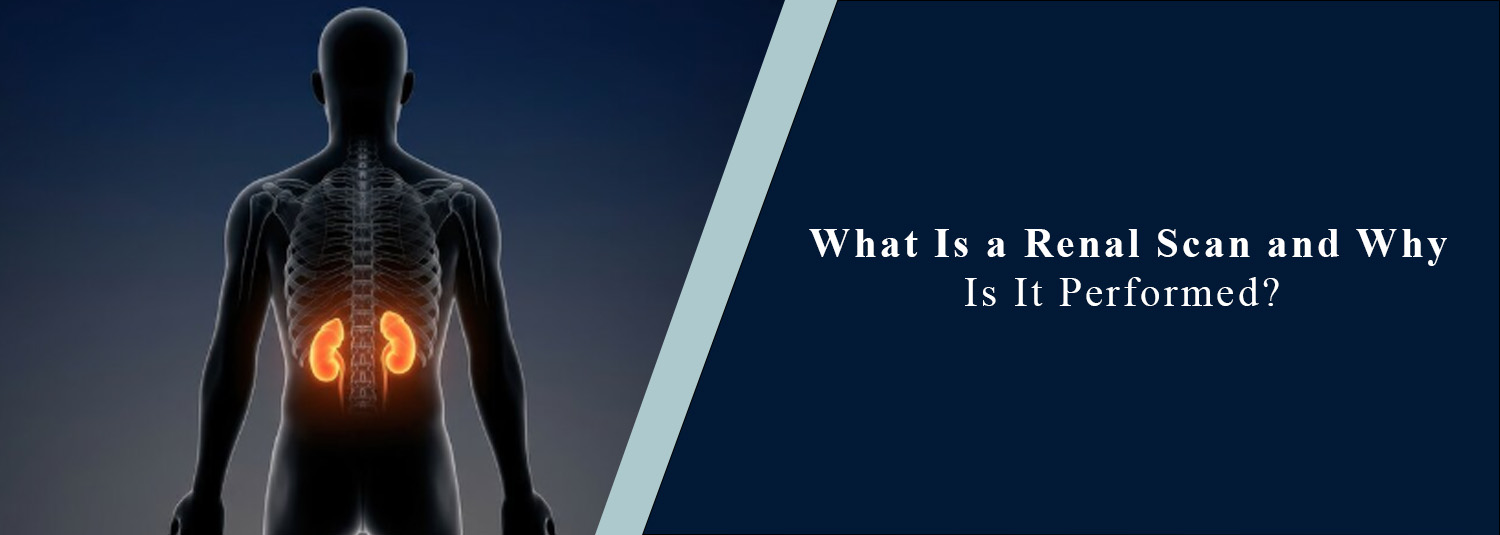
The kidneys are vital organs that perform the function of filtering waste products, maintaining balance of fluid and electrolytes, regulating blood pressure, and secreting hormones that help with overall health. A renal scan might be ordered to find out how well the kidneys are working when doctors suspect a problem with kidney function. A kidney nuclear scan offers good information on kidney function and blood flow, whereas traditional imaging procedures mainly give information about the structure of the kidneys.
A renal scan is a special nuclear medicine procedure used to diagnose kidney disease, determine the effectiveness of treatment, and to check the function of individual kidneys. It is a safe and reliable diagnostic tool, and an important process in early detection of kidney diseases.
When your doctor tells you to get a gamma scan for your kidneys, it's important to understand what the test involves and why it's recommended, so that you are prepared and not unnecessarily worried. Advanced technology and seasoned professionals ensure accurate renal scan services and reliable reporting at Molecular Diagnostics and Therapy.
What Is a Renal Scan?
A renal scan is a nuclear medicine diagnostic procedure to assess the ability of the kidneys to function, circulate in the blood, and drain urine. A small dose of radioactive tracer is injected into a vein during the procedure. This radioactive tracer circulates in the blood, finding its way to the kidneys, where it subsequently releases gamma rays, which are captured by a special camera.
The images allow doctors to learn more about the function of the kidneys rather than just look at their image. For this reason, a nuclear scan of the kidneys may be more useful if information on function is desired. The radiation dose to the patient from the tracer dose is extremely small and safe for most patients.
Why Is a Renal Scan Performed?
A renal scan is performed by doctors for several reasons. It is one of its principal functions to determine the extent of kidney function in cases where blood tests or other pictures of the body (imaging studies) indicate a kidney abnormality. A gamma scan of the kidneys can help the doctor detect kidney problems if there isn't enough blood flow, an obstruction in the urinary tract, an infection of the kidneys, a congenital defect, or some other long-term medical condition like diabetes or hypertension has damaged the kidneys. It can also be helpful to find out how much each kidney is working, particularly before surgery or before donating a kidney.
Conditions Diagnosed with a Renal Scan
A kidney nuclear scan can help diagnose several different kidney-related issues. It is popular for studying urinary tract blockage, kidney scarring, chronic kidney disease, hydronephrosis, narrowing of the kidney arteries, recurring UTIs, and kidney birth defects. The test is also useful for assessing transplanted kidneys and the functioning of the kidneys following surgery.
Types of Renal Scans
In general, there are several types of renal scan exams of various uses depending upon the medical condition being studied. A renal perfusion scan is used to test blood supply to the kidneys to assist in the diagnosis of kidney circulation issues.
A renal function scan determines the kidney's ability to filter and clear the radioactive substance. A nuclear scan of the kidneys is used to diagnose obstructions when the doctor is suspicious. During the exam, medications are given to find out if urine is obstructed.
A specialized renal scan measures the blood pressure in the kidneys that's before and after certain medications are given. In Molecular Diagnostics and Therapy, Various modes of gamma scan of kidneys are indicated as per the clinical needs of the patient.
How Does a Renal Scan Work?
A safe dose of radioactive tracer material is injected into a vein in the arm before the onset of the examination. The tracer circulates in the blood to the kidneys, where it is filtered by the body's normal processes. The images of the tracer make a continuous image over time—this is called scanning using a gamma camera (gamma camera) as it moves from the kidneys and urinary tract.
The whole renal scan typically takes 30 to 90 minutes; this may vary depending on the kind of examination. Patients required to stay still during data collection to provide accurate and clear images.
Preparing for a Renal Scan
Preparation for a renal scan is usually simple. You may be instructed to have plenty of water to drink before the exam, which helps to produce better images. Some drugs could temporarily impair kidney function. So, patients must let their doctors know which medications they are using.
In some special renal scans, it is necessary to temporarily modify blood pressure medication, which should only be done under supervision! Do not have a nuclear scan of your kidneys if you are pregnant or breastfeeding.
Is a Renal Scan Safe?
A test that uses a radioactive material to help produce an image of the kidneys is a safe diagnostic test. The radioactive tracer used, if any, has a very small amount of radiation that the natural excretory process takes care of in a short time, typically in urine.
The tracer has caused serious allergies very rarely. The advantages of knowing the correct amount of information about kidney function are almost always greater than the small risk involved with having the test.
What Happens After the Test?
Once the renal scan is completed, patients can usually return to their normal daily activities immediately. Consuming additional water after the exam is essential for the removal of tracer by the body.
The specialized physician interpreting the pictures is called a nuclear medicine specialist, who creates a detailed report that is delivered to the referring physician. The doctor combines the blood tests, urine test results, ultrasound, computed tomography (CT) scans, and history with the findings to interpret the results.
Understanding Renal Scan Results
A normal kidney nuclear scan shows that both kidneys receive adequate blood flow, function properly, and drain urine efficiently. Abnormal results may indicate reduced kidney function, urinary obstruction, kidney artery narrowing, infection, scarring, or unequal function between the two kidneys. Additional investigations may sometimes be recommended depending on the scan findings.
Advantages of a Renal Scan
One of the biggest advantages of a renal scan is its ability to measure kidney function rather than only showing kidney structure. It provides valuable information about individual kidney performance, blood circulation, and urine drainage. The examination is non-invasive, highly accurate, and often helps doctors avoid unnecessary surgical procedures by identifying the exact cause of kidney dysfunction. At Molecular Diagnostics and Therapy, advanced nuclear medicine imaging ensures accurate renal scan reporting to support timely diagnosis and effective treatment planning.
Conclusion
A renal scan is an advanced nuclear medicine imaging test that assesses kidney function and blood flow to the kidneys as well as drainage of urine. Unlike conventional imaging, a radioisotope scan of the kidneys allows a detailed (functional) picture of kidney function and disease to be determined, which is useful for the diagnosis of kidney disease, urinary obstruction, kidney artery disease, and many other kidney conditions.
The procedure is safe, minimally invasive, and is vital to the process of early diagnosis and treatment planning. If the doctor prescribes a gamma test for the kidneys, making sure to prepare for the test correctly and seek out an established diagnostic facility can give you more reliable results. Molecular Diagnostics and Therapy offers full renal scan services with the expertise of nuclear medicine technologists and advanced imaging technology to aid in proper diagnosis and healthy kidneys.
Frequently Asked Questions
In News
Get Our Mobile App
for Easy Access
Book tests, view reports, and manage your health records on the go. Experience convenient healthcare with Molecular Diagnostics and Therapy.
- ✔ Book tests & home collection
- ✔ View reports instantly
- ✔ Track health history
- ✔ Get notifications & reminders
- ✔ Easy appointment management