Why Annual Preventive Checkups Matter More Than Ever?
Talk to Health Expert

Dr. Nikunj Jain
Co-Founder and HOD - Nuclear Medicine ,MBBS, DRM, DNB, FEBNM, FANMB, Dip. CBNC
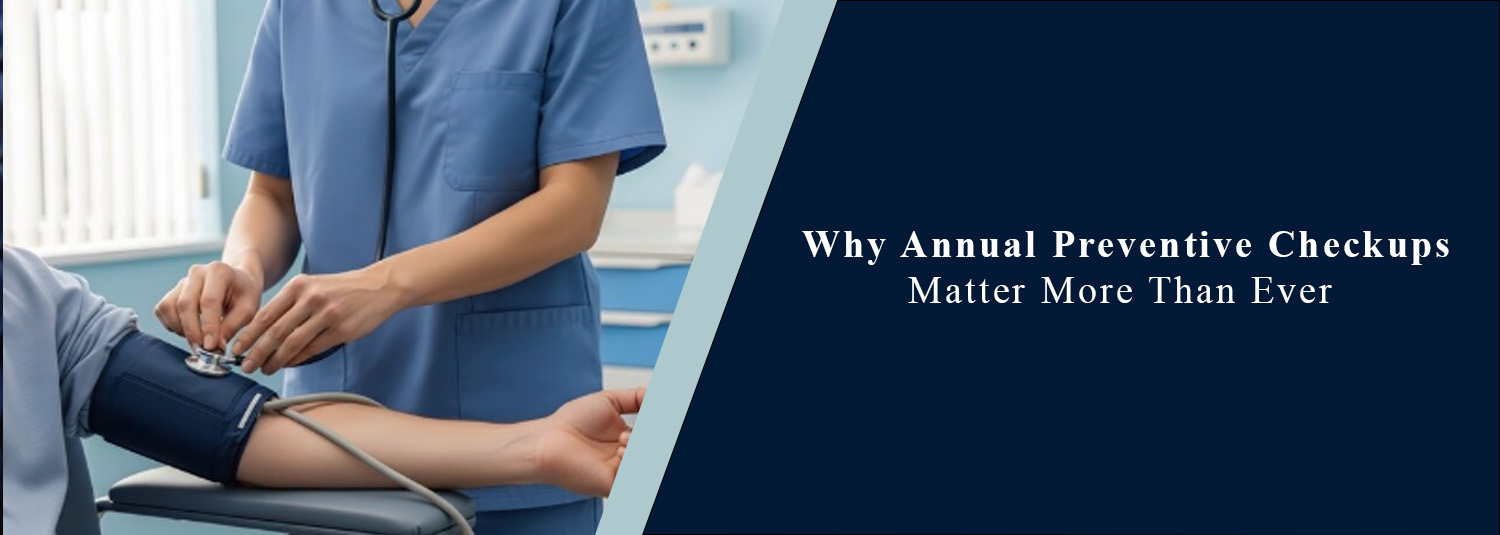
Health is undoubtedly one of the most important possessions of a human being, and people visit doctors only when they are sick. Unfortunately, there are many potentially serious medical conditions that do not have any obvious signs and can only be detected when they are quite late in their development. Therefore, regular exams are even more important on an annual basis.
The lifestyles of today and their contributors are also unhealthy, such as inactivity, eating the wrong foods, extended working hours, increased stress, poor sleeping patterns, and more exposure to pollution. This has contributed to the increase in diseases associated with lifestyle, such as Diabetes, Hypertension, Cardiac, thyroid, and some cancers. These exams are significant in the early detection of these conditions and in starting treatment before complications arise.
In Molecular Diagnostics and Therapy, integral preventive health screening services and technologically enhanced diagnostics allow people to keep a clear track of their health condition and make educated choices relating to their well-being.
What Is a Preventive Health Checkup?
A preventive health checkup involves several tests and physical examinations that are performed to assess an individual's health status, despite the person showing no symptoms. The primary purpose is to detect health issues at an early stage when these issues are typically easier to treat, more effective, and the cost is much lower. Preventative check-ups differ from the tests conducted after symptoms have emerged in that they attempt to prevent diseases or find them in time before any significant harm can be done.
Why Are Preventive Checkups More Important Today?
There are considerable differences between the lifestyles of today and those of previous generations. There are a lot of people out there who spend excessive hours at their desks, eat junk food, are stressed out a lot of the time, and don't exercise much. These lifestyle risk factors are particularly associated with chronic diseases, which can affect people without warning.
These issues can be detected through regular health screenings, and allow physicians to make lifestyle changes or treatment recommendations in the beginning, before problems arise. A certain percentage of these cases are preventable if diagnosed and treated early, so not only do outcomes improve, but healthcare costs and quality of life are also improved.
Detecting Diseases Before Symptoms Appear
Yes, many serious diseases can go undiagnosed until late in their progression, as they often occur silently. However, some diseases, such as diabetes, high cholesterol, hypertension, thyroid, liver, kidney, or vitamin deficiency diseases or anemia, may not show symptoms until a significant amount of bodily damage has been done. These can be caught early with annual preventive tests, and treatment can be started before the disease occurs, making success in disease management more likely.
Monitoring Heart Health
Cardiovascular disease remains one of the top causes of death in the world today. A high level of cholesterol or blood pressure typically does not produce any noticeable symptoms in the early stages of the disease, so regular screening is of great importance. The blood pressure check, cholesterol test, and blood sugar test are routinely performed as part of the preventive check-up to evaluate cardiovascular risk. Accumulating these risk factors generates lifetime changes in a person's lifestyle and can help treat such issues before they become a serious threat to the heart.
Early Detection of Diabetes
Family history, unhealthy lifestyles, and eating habits are causing Type 2 diabetes to be more prevalent in poverty. Many people are not aware that their blood sugar has started to rise since diabetes doesn't always manifest obvious symptoms. Blood tests such as Fasting Blood Sugar and HbA1c can detect prediabetes and diabetes early. If detected early, a combination of lifestyle modification and the use of medication can prevent nerve, eye, kidney, and heart complications.
Evaluating Thyroid Function
The thyroid gland regulates some body processes, such as the rate of energy production and metabolism. Weight gain or weight loss is a symptom of a thyroid disorder, as are restlessness, hair loss, changes in mood, and irregular menstruation. These symptoms may start to become apparent over time, or they can be confused with other diseases, so one of the most vital preventive health measures is a thyroid test. The molecular diagnostics and therapy lab tests use state-of-the-art lab machines to precisely diagnose and quantify the functioning of a patient's thyroid gland and to help determine treatment strategies early on.
Checking Liver and Kidney Health
The liver and kidneys are biological filters that get rid of harmful substances from the body, regulate the level of body fluids, and play a role in metabolism, essential in maintaining health. This can cause a deterioration of these organs over the years with unhealthy lifestyles, diabetes, hypertension, infections, or some prescribed medications. Liver Function Tests (LFT) and Kidney Function Tests (KFT) are a set of routinely conducted tests aimed at identifying any abnormalities before the tissues have suffered from any permanent damage and to allow any type of medical intervention to occur promptly.
Identifying Vitamin Deficiencies
Yes, there are many serious illnesses that either go undiagnosed or are only diagnosed when they are a bit into their development. Other diseases like diabetes, high cholesterol, hypertension, thyroid disease, liver disease, kidney disease, or vitamin deficiency diseases or anemia, however, may not have symptoms until considerable damage is done to the body. Early detection through annual prevention testing and early recommendations for treatment, if it results in the disease, would be more likely to succeed than disease management.
Preventive Healthcare for Men and Women
Poor eating, indoor living, stress, and decreased activity are some of the reasons for the higher prevalence of deficiencies. Might result in feeling tired, weak, with a run-down immune system, experiencing bone pain, hair loss, and trouble concentrating due to vitamin D and Vitamin B12 deficiencies. Fatigue, weakness, reduced immunity, pain in the bones, loss of hair, and inability to concentrate are possible side effects of low Vitamin D, Vitamin B12, and iron levels.
These nutritional deficiencies can be pinpointed through regular blood testing, which enables doctors to make a nutritional recommendation and a suitable supplement if needed. Preventive health care is as important to women as it is to men, although there are some recommendations that apply to both genders based on age. Women may benefit from breast cancer screening, cervical health evaluation, and hormone testing, if necessary. Men may need a prostate health examination depending on how well they are, their overall health and age. Doctors give personalized health screening plans based on your risk factors, lifestyle, and family history.
Who Should Have Annual Preventive Checkups?
If you are over age 30, it's preferable to have regular preventive health checks once a year. Get regular health checks, especially if you are at risk of getting a chronic disease like diabetes, high blood pressure, obesity, or high cholesterol; if you have risk factors; or if you use alcohol or drink alcohol. Even healthy individuals can benefit, as many serious diseases are occurring in stealth mode, before any signs occur.
Benefits of Early Detection
Another major benefit of preventative care is the early detection of health issues. Early diagnosis of disease before the onset of symptoms can lead to early treatment, enhanced chances of recovery, decreased healthcare spending, and less risk of complications. Routine health monitoring also helps to assess the effectiveness of treatment, track progress over time, and ensure healthy lifestyle habits that support a healthier future.
How Often Should Preventive Checkups Be Done?
For the majority of healthy adults, a detailed preventive health evaluation should be done annually. People with chronic conditions, like diabetes, thyroid disease, high blood pressure, kidney disease, and heart disease, might need to be checked more often, depending on their doctor's advice. Regular health screening guidelines promote good health and identify changes when it happens before it becomes severe.
Conclusion
A preventive health checkup once a year is the best way to protect health in the long term. They are involved in the early detection of diabetes, thyroid disease, high blood cholesterol, liver disease, kidney disease, anemia, and other diseases and conditions, even prior to symptoms. Early diagnosis leads to good health habits, thus significantly reducing your future risk of complications and enabling early treatment.
Preventive healthcare is a proactive approach that puts people in control of managing their health, and reactive healthcare is an approach that occurs in response to a new diagnosis or disease symptoms. With next-generation laboratories and state-of-the-art instruments, cutting-edge clinicians, and comprehensive preventive health programs, Molecular Diagnostics and Therapy is dedicated to providing comprehensive and reliable diagnostic solutions to aid in early disease detection and a lifetime of good health.
Frequently Asked Questions
In News
Get Our Mobile App
for Easy Access
Book tests, view reports, and manage your health records on the go. Experience convenient healthcare with Molecular Diagnostics and Therapy.
- ✔ Book tests & home collection
- ✔ View reports instantly
- ✔ Track health history
- ✔ Get notifications & reminders
- ✔ Easy appointment management