Pregnancy Problems: Causes, Symptoms, Types & Tests
Talk to Health Expert

Dr. Nikunj Jain
Co-Founder and HOD - Nuclear Medicine ,MBBS, DRM, DNB, FEBNM, FANMB, Dip. CBNC
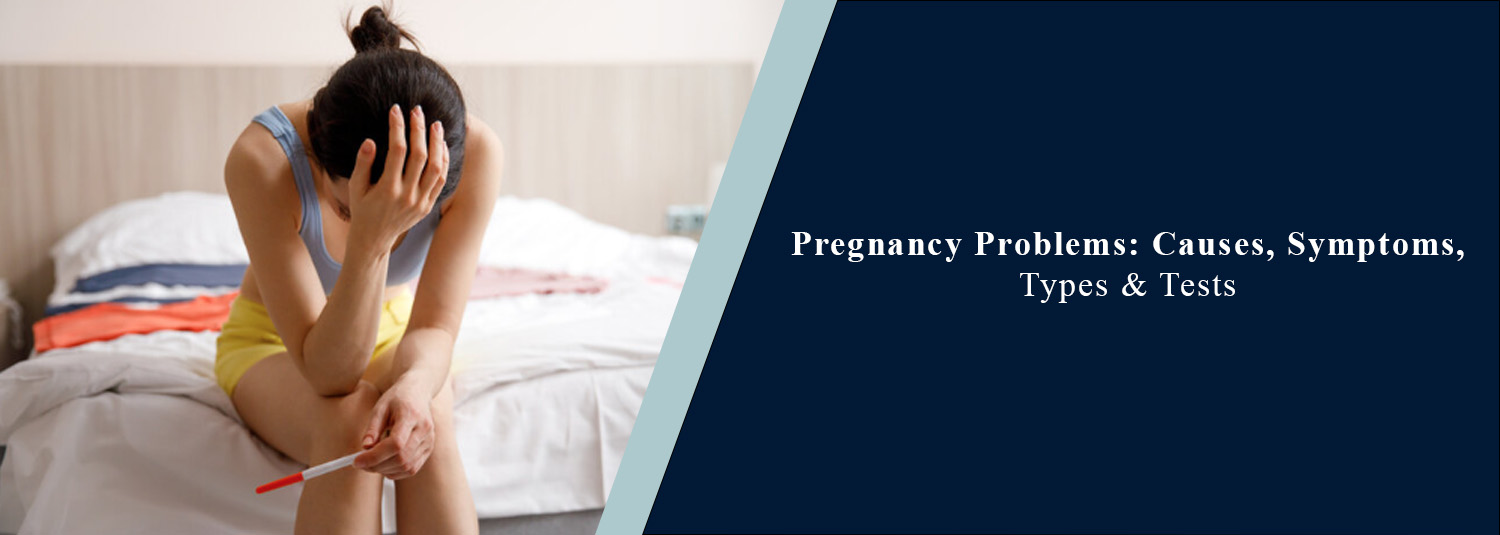
During pregnancy, the body undergoes
significant physical and emotional changes. Many pregnancies are healthy, but
sometimes a woman's health issues predate, occur during, or occur after
pregnancy and need medical attention. Pregnancy issues may be related to the
mother, the growing baby, or both. Early diagnosis and treatment can minimize
the risk of severe complications.
Antenatal care is an important part of
a woman's pregnancy. These check-ups let healthcare providers do a risk
assessment, determine the baby's growth and development, and flag issues at an
early stage. Blood pressure checks, blood and urine testing, glucose screening,
ultrasound testing, and fetal growth evaluation are all types of routine
monitoring.
What Are Pregnancy
Problems?
Pregnancy problems are health issues
that occur during pregnancy or conditions that were present before pregnancy
that impact pregnancy. Some complications occur and are relatively common and
hopefully are easily manageable, and others are serious if not timely diagnosed
and treated.
Complications of pregnancy include
issues directly linked to pregnancy, including bleeding, high blood pressure,
pre-eclampsia, gestational diabetes and preterm labour. If you have other
health issues, like infections, diabetes, heart disease, kidney disease, or
anaemia, you need extra monitoring during pregnancy as well.
Pregnancy Problems
Causes
There are many different causes of
pregnancy issues. However, other problems arise due to normal changes that
happen during pregnancy, and others are linked to pre-existing health
conditions, infections, multiple pregnancies, and some risk factors.
One's need for more frequent monitoring
during pregnancy is increased due to such risk factors as high blood pressure,
diabetes, obesity, kidney disease, and heart disease. Pregnancy can also be
complicated by infection with, e.g., urinary tract infections, or some sexually
transmitted or other types of infectious disease; these are complicated and
require prompt diagnosis and treatment.
Other factors that affect pregnancy
risks are age, past pregnancy complications, family history, more than one
pregnancy, and lifestyle. But a risk factor doesn't always indicate a
complication will happen.
Pregnancy Problems
Types
Problems leading to pregnancy arise at
various times and impact the mother and child differently. Some of the more
common ones are gestational diabetes, high blood pressure during pregnancy,
pre-eclampsia, anaemia, infections, bleeding and pre-term labour. Gestational
diabetes is an abnormal insulin level during pregnancy that needs to be managed
for the health of both the mother and fetus.
Gestational hypertension and
pre-eclampsia are both considered hypertensive disorders. The signs and
symptoms of pre-eclampsia usually occur after 20 weeks of pregnancy, and if
unrecognized or unmanaged, it is an emergency. Other pregnancy issues are
placental issues, premature rupture of membranes, prenatal growth issues, and
complications arising from multiples. The level and kind of complication
dictate monitoring and treatment.
Pregnancy Problems
Symptoms
Symptoms of complications vary
depending on the type of complication. In some problems, symptoms may be
clearly seen, and in other problems the condition is suspected at routine
antenatal tests without the woman being aware of the problem. When there are
signs of trouble, you may experience: vaginal bleeding, severe abdominal pain,
severe headache, blurred vision or confusion, sudden swelling, a high fever,
leaking fluid, or changes in baby's activity.
Not all of these symptoms are serious
complications, but they should be assessed by a health care provider. For
instance, pre-eclampsia can sometimes have hardly any apparent signs. If
symptoms appear, such as severe headaches, changes in vision, upper abdominal
pain, nausea or vomiting later in the pregnancy, and swelling of hands or face.
Common Pregnancy
Complications
Gestational Diabetes
Gestational diabetes is high blood
sugar during pregnancy. It is generally detected by a glucose monitor but could
involve dietary alterations, monitoring, medication, and/or insulin treatment
in the individual case.
High Blood Pressure
and Pre-eclampsia
BP needs to be monitored if it's
elevated during pregnancy because it has adverse effects on both baby and
mother. Pre-eclampsia is a more severe disorder that affects blood pressure,
which normally occurs after 20 weeks of pregnancy and may be accompanied by
high blood pressure, protein in the urine, or other signs of organ involvement.
Anaemia
Another frequent worry encountered in
pregnancy is anaemia. Low Haemoglobin level or Iron Deficiency anemia is seen
in some women, due to additional needs of the body during pregnancy. Laboratory
examinations are useful to detect the presence of anaemia and to direct the
treatment properly.
Infections
Some infections, along with the UTI
(urinary tract infection) and some viral/bacterial infections, may need to be
addressed in a special way during pregnancy. If few symptoms are present with
some infections, the following is recommended for screening and antenatal
testing.
Preterm Labour
Preterm labour is when labour starts
before week 37 of gestation. It contributes to the risks involved in health
issues for the newborn, and so it needs to be assessed and managed at the right
time.
Pregnancy Problems
Tests
Recommended tests in pregnancy depend
on the medical history, gestational age, symptoms, and risk factors. No single
test is able to identify all pregnancy complications. Routine blood tests are
considered to measure the level of haemoglobin, blood sugar, blood group,
infections, and other health markers. Urine samples are obtained to detect
urinary infections and also analysed to check for protein (which might be
useful in assessing hypertensive disorders like pre-eclampsia). Another
important aspect of antenatal care is blood pressure measurement. When
suspected for pre-eclampsia, physicians might assess blood pressure, the
protein in urine, and other blood tests depending on the clinical scenario.
Conclusion
Issues during pregnancy can be small
and easy to deal with, or complicated and a medical emergency. Awareness of the
pregnancy problems causes, pregnancy problems signs, pregnancy problems
classifications and pregnancy problems testing all serve to help facilitate
early diagnosis and treatment. Regular check-ups are very important during
pregnancy, although there is no obvious issue that something is wrong; some
changes in pregnancy are symptom-less. Depending on a person's specific
requirements, a blood test can help, as can a urine test, monitoring blood
pressure, testing blood sugar, and ultrasound.
Molecular Diagnostics and Therapy provides diagnostic and imaging services to meet pregnancy-related needs as directed by a qualified healthcare professional. Don't wait, come to your doctor's attention as soon as you notice something that's bothering you or symptoms that don't seem normal during pregnancy.
Frequently Asked Questions
In News
Get Our Mobile App
for Easy Access
Book tests, view reports, and manage your health records on the go. Experience convenient healthcare with Molecular Diagnostics and Therapy.
- ✔ Book tests & home collection
- ✔ View reports instantly
- ✔ Track health history
- ✔ Get notifications & reminders
- ✔ Easy appointment management