CT Scan: Purpose, Procedure, Benefits and Cost in Delhi NCR
Talk to Health Expert

Dr. Nikunj Jain
Co-Founder and HOD - Nuclear Medicine ,MBBS, DRM, DNB, FEBNM, FANMB, Dip. CBNC
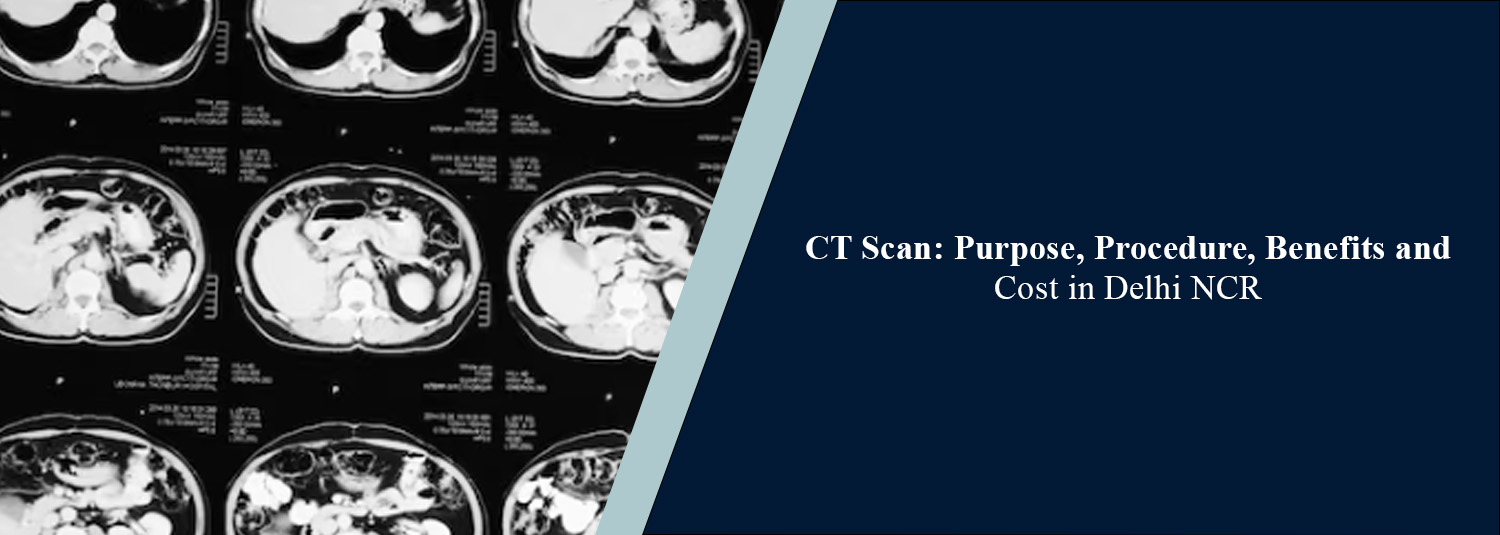
CT scan, also known as computed tomography scan, is an advanced
diagnostic imaging procedure that enables physicians to evaluate the internal
structure of the human body. The procedure utilizes X-rays, combined with
computer technology, in order to obtain cross-sectional images of the organs,
tissues, bones, and blood vessels. The images obtained with the aid of a CT
scan assist the physician in identifying problems and determining the
appropriate course of treatment.
Those of you who are searching for a CT scan centre in Delhi NCR
can find the information provided below highly informative and full of
beneficial insights regarding the procedure, benefits, and cost of a CT scan.
Molecular Diagnostics and Therapy provides diagnostic imaging to diagnose and manage
a wide range of health conditions.
What Is a CT Scan?
CT imaging provides intricate images of the inner structure of the
human body. As compared to a regular X-ray that provides a two-dimensional view
of the body, CT imaging provides a cross-sectional view of the anatomy. CT scan
can be used to view the inner structure of the pelvis, spine, bones, and blood
vessels. The procedure can be performed with or without the administration of
contrast material depending on the physician’s indications. Contrast material
highlights blood vessels and certain tissues, helping the radiologist see
abnormalities more clearly.
What Is the Purpose of a CT Scan?
CT scan is conducted in order to investigate and evaluate a
variety of health concerns. A brain CT is commonly indicated for detecting
brain injuries or abnormalities in patients presenting with neurological
symptoms. A chest CT is conducted to evaluate lung cancer or other
abnormalities in the chest area.
CT abdomen and pelvis may be performed in order to examine
abnormalities in the abdominal organs or pelvic organs. CT scan can be
performed in order to detect fractures, spinal abnormalities, or disorders
affecting the blood vessels. Physicians may also recommend repeated CT scans in
order to monitor the progression of a disease or treatment response. CT images
are analyzed in conjunction with patients’ symptoms, health history, and
results of other diagnostic tests.
What Is the CT Scan Procedure?
A CT scan procedure is relatively simple and quick, and involves minimal
discomfort. The length of the procedure varies, depending on the area of the
body that needs to be examined.
Before the Scan
The diagnostic center might ask you to fill out a medical history
form and provide information about medication use, allergies, or contrast
reactions. In case you are pregnant or could be pregnant, inform the healthcare
team. You may be asked to fast for a few hours before the procedure if contrast
material is to be administered; however, this is not always the case. You may be
asked to remove jewelry or other metallic objects before the procedure. Please
follow all the preparation instructions provided by your physician or the
diagnostic center.
During the Scan
You will be asked to lie down on a movable examination table that will
glide through the large ring-shaped opening of the CT scanner. CT scanner will
rotate around the examination table in order to capture images of the desired
area. You may be instructed to hold your breath for a few seconds while the
images are being captured. If you are to receive contrast material and IV
contrast is needed, a small cannula is placed in a vein in your arm. For some
scans, you may also be asked to drink oral contrast. CT scan is normally not a
painful procedure; however, you may feel a brief, uncomfortable sensation if
the IV line is started.
After the Scan
You may be able to immediately resume your daily activities unless
otherwise instructed. If contrast material is administered, you may be advised
to drink plenty of fluids until the healthcare team instructs otherwise. The
images captured during the CT scan will be analyzed by a qualified radiologist
to determine the next steps in patient care. The time taken to produce a report
depends on the type of examination and the diagnostic center’s protocols.
What Are the Benefits of a CT Scan?
CT scan provides intricate images of the inner organs that cannot
be seen on a regular X-ray or physical examination. CT scan can generally be
performed relatively fast, allowing physicians to make timely diagnoses in
life-threatening situations. CT scans are beneficial because they help identify
and assess serious abdominal injuries, brain injuries, bone fractures, and
blood vessel problems. CT scans may help identify the most appropriate
treatment method. The procedure can also help with treatment planning and
specific medical procedures.
Another benefit of CT scans is their versatility. There is a
variety of CT procedures that allow physicians to look at specific areas of the
human body depending on the patient’s symptoms. However, CT scans also involve
radiation. It is important to ensure that you get the appropriate justification
prior to undergoing a CT scan, as the risks involved in the procedure may
outweigh its benefits.
Is a CT Scan Safe?
CT scans are common and, when performed by trained professionals,
are relatively safe. However, CT uses a higher radiation dose than a standard
X-ray, so it should be done only when medically justified. Hence, it is
important that you only undergo a CT scan procedure when it provides essential
benefits. It is also a good idea to limit the number of CT scans.
If you are to receive contrast material to improve the visibility
of the scanned area, ensure that you inform the healthcare team about previous
contrast reactions, impaired kidney function, as well as diabetes (especially
if you take metformin) or kidney disease. Inform your physician if you are
pregnant or could be pregnant. They will be able to determine whether a CT scan
is appropriate in your case or recommend an alternative procedure.
CT Scan Cost in Delhi NCR
The cost of a CT scan depends on the area that needs to be
scanned, the complexity of the procedure, and whether contrast material needs
to be administered. The cost of a CT head will be different from a CT abdomen
or a CT cervical spine. Contrast-enhanced CT scans may be slightly more
expensive than regular scans, as there are additional instructions and supplies
needed in order to prepare the contrast solution.
The exact cost of the CT scan also depends on the type of
procedure prescribed by your physician. At Molecular Diagnostics and Therapy,
you can get in touch to request a quote for the CT scan procedure. Please
provide the exact name of the test prescribed by your physician to receive the
most accurate information.
How to Choose a CT Scan Centre in Delhi NCR
When selecting a CT scan centre, be sure to consider the
equipment, the radiologist’s credentials, and the instructions for preparing
patients. The facility must be able to provide instructions and information
related to your CT scan. They should also have the ability to perform the CT
scan your doctor has ordered. If you are having a contrast-enhanced CT scan or
a specialty procedure, make sure that the CT facility is prepared to deal with
your needs.
Be sure to bring your current prescription, previous imaging
reports, if available, and laboratory results, if available, as well as any
information concerning allergies or underlying health concerns. MolecularDiagnostics and Therapy offers a range of diagnostic imaging procedures to help
treat our patients’ health problems.
Conclusion
CT scans are an essential procedure that enables physicians to evaluate the condition of their patient’s organs, bones, blood vessels, and tissues. If you are considering a CT scan in Delhi NCR, be sure to speak with your physician about the procedure. You may also want to speak with Molecular Diagnostics and Therapy to learn more about the costs and instructions for preparing for a CT scan.
Frequently Asked Questions
In News
Get Our Mobile App
for Easy Access
Book tests, view reports, and manage your health records on the go. Experience convenient healthcare with Molecular Diagnostics and Therapy.
- ✔ Book tests & home collection
- ✔ View reports instantly
- ✔ Track health history
- ✔ Get notifications & reminders
- ✔ Easy appointment management