Head CT in Delhi: Purpose, Procedure and Cost
Talk to Health Expert

Dr. Nikunj Jain
Co-Founder and HOD - Nuclear Medicine ,MBBS, DRM, DNB, FEBNM, FANMB, Dip. CBNC
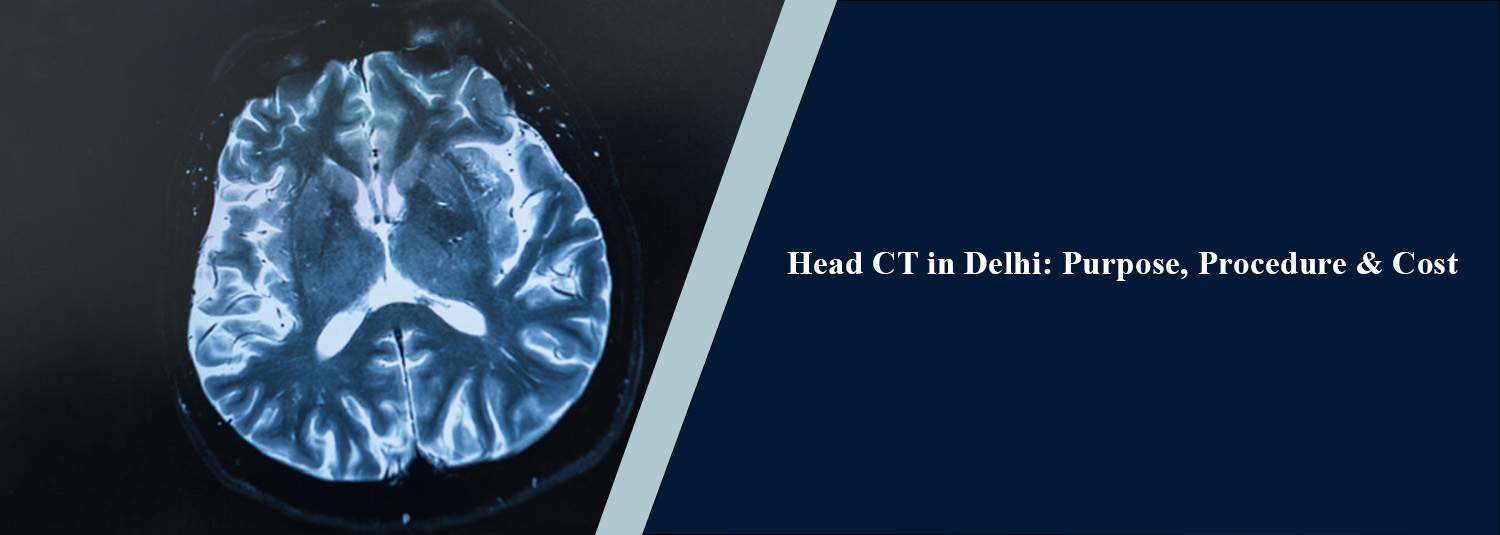
A head CT scan test makes use of
X-rays, along with computer technology, to take pictures of the brain, skull,
and the surrounding soft tissues. The test is recommended to examine head
injuries, chronic headaches, stroke, and other health concerns affecting the
head. A head CT scan can give useful information, often on an urgent basis. At
Molecular Diagnostics and Therapy, patients can turn to professionals for
information pertaining to diagnostic imaging tests and their appointments.
What Is a Head CT
Scan?
A head CT scan, also known as a CT scan
of the head, is a diagnostic procedure that makes use of computer technology
and X-ray beams. These beams generate cross-sectional images of the head,
allowing doctors to take a closer look at the brain, skull, and some of the
adjoining soft tissues. In some instances, a contrast agent may be administered
to enhance images of specific tissues. The choice between a head CT scan with
or without contrast depends on an individual’s medical history, along with the
signs and symptoms they are currently experiencing.
How Is the Head CT
Procedure Performed?
The head CT procedure is generally quick and straightforward.
1. Preparation
The radiology team may begin by asking
a few questions pertaining to the individual’s current signs and symptoms,
medical history, current medications, allergies, and prior imaging tests. If a
contrast agent is needed, they may also ask if the individual has any kidney
concerns and whether they have had an allergic reaction to any contrast agents in
the past. When undergoing a regular head CT scan test (without contrast),
special preparations are usually not necessary.
2. Positioning
The individual lies down on a special
examination table, usually on their back. They may then be asked to hold their
breath for brief moments during the procedure.
3. Image Capture
The individual is moved into position inside the CT scanner. The table
begins to move, and the computer generates images of the head. During the
procedure, the individual may hear a buzzing sound, but the test itself is not
painful. It is critical that the individual remains still throughout the
duration of the test, as any movements can compromise the test results.
4. Contrast
Administration, If Required
In some instances, a contrast agent may
be administered intravenously. This is done to highlight specific tissues and
structures in the body. When a contrast agent is administered, most individuals
experience a brief warming sensation. They may also notice a metallic taste in
their mouth.
5. Image Review
A qualified radiologist will then
interpret the images generated by the CT scan test and prepare a report. This
report is given to the individual’s referring physician, who goes over the
results with them and recommends any further tests, if needed. A head CT scan
test usually takes only a few minutes to finish. However, the entire procedure,
including preparation, may take longer.
What Is the Head CT
Scan Cost in Delhi?
The cost of a head CT scan in Delhi
depends on a variety of factors, including the imaging centre, the type of
scan, and whether contrast agents are needed. A regular head CT scan is usually
cheaper than a contrast-enhanced scan. In addition, the head CT scan cost in
Delhi may vary depending on whether the individual needs additional scans or
other medical services.
Beforehand, it is best to confirm with
a diagnostic imaging centre regarding the cost, appointment availability,
preparation, and report turnaround time. Molecular Diagnostics and Therapy can
assist individuals in finding out more about the diagnostic services that they
offer and the appointment options.
How Should You
Prepare for a Head CT Scan?
In the case of regular head CT scans,
no special preparations are required. Patients can continue going about their
day, as well as eat and drink normally prior to the test. However, if one is
scheduled to undergo a contrast CT scan, they must speak with the imaging
centre regarding preparation instructions. It is important to share pertinent
medical history and concerns with imaging professionals.
For instance, individuals may be asked
whether they are allergic to any medication or have a history of kidney
disease. In addition, one must inform the imaging centre whether they are
pregnant. Patients must continue to take any prescribed medication, unless
instructed otherwise.
When Should You Seek
Medical Attention?
One may be advised to get a head CT
scan if their doctor suspects that they might have a severe head injury,
stroke, brain haemorrhage, or any other serious health condition affecting the
brain and neck region. Before getting a head CT scan test, one must consult
with a medical professional in case of the following issues:
• Sudden weakness on one side of the
body
• Sudden speech problems
• Sudden severe headache
• Loss of consciousness
• Severe head injury
In such instances, one must seek
emergency medical care and not wait for a regular scan appointment.
Conclusion
A head CT scan is a valuable diagnostic
procedure that allows doctors to closely examine the brain, skull, and other
structures in the head region. It can help detect various neurological and
related conditions, including head injuries, stroke, chronic headaches, and
brain tumours. The scanning procedure is relatively quick and minimally
invasive. In most cases, no special preparations are needed for a regular head
CT scan test.
The cost of a head CT scan in Delhi depends on a variety of factors, including the type of test and the imaging centre. In Delhi, individuals can consult with Molecular Diagnostics and Therapy for information pertaining to the available services and the cost of a head CT scan test.
Frequently Asked Questions
In News
Get Our Mobile App
for Easy Access
Book tests, view reports, and manage your health records on the go. Experience convenient healthcare with Molecular Diagnostics and Therapy.
- ✔ Book tests & home collection
- ✔ View reports instantly
- ✔ Track health history
- ✔ Get notifications & reminders
- ✔ Easy appointment management