Diabetes Symptoms in Young Adults: When to Get Tested?
Talk to Health Expert

Dr. Nikunj Jain
Co-Founder and HOD - Nuclear Medicine ,MBBS, DRM, DNB, FEBNM, FANMB, Dip. CBNC
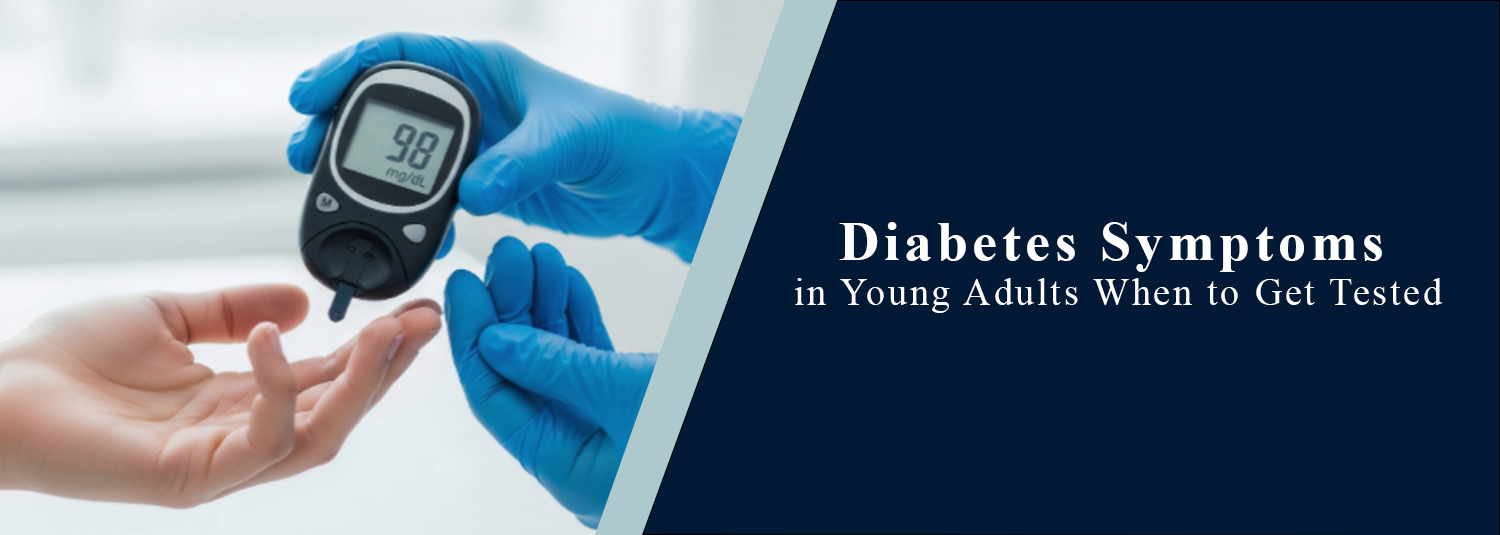
Diabetes Mellitus is generally considered to be a disease found in old people, but over the last few years, it has been prevalent among young adults, as well. Modifications in lifestyles and unhealthy eating habits, stress, and physical inactivity have led to the increased instances among individuals in their 20s and 30s. The issue with diabetes is that the initial symptoms of the disease are weak and may be confused with minor ones, leading to late diagnosis and complications.
Why Diabetes is diabetes increasing in Young Adults?
The increasing prevalence of diabetes in the younger generations is primarily due to modern lifestyle factors. Contributors to weight gain and insulin resistance include lazy lifestyles, excessive screen time, inappropriate diet, and consumption of too many processed foods. Important factors are also genetic predisposition and family history. Young adults, in most cases, may not consider themselves to be at risk, and this postpones early testing and diagnosis.
Early Symptoms of Diabetes
The effects of diabetes can be manifested over time, particularly Type 2 Diabetes. Increased thirst, usually with frequent urination, is one of the most common symptoms. That is because, as a result of the excess sugar in the blood, the kidneys have to strain themselves, which results in the loss of fluid.
Fatigue that has no apparent cause is another symptom that is observable. Even after getting adequate rest, people can experience constant fatigue because the body cannot efficiently utilize glucose as a source of energy. Hunger, however, when already fed, is another symptom of having a low thyroid level.
When sugar in the blood has a high concentration, it is possible to have blurred vision as it impacts the eye's lenses. Individuals can also have a delay in healing wounds and develop frequent infections, especially skin infections or urinary tract infections. There are instances of sudden and unexplained weight loss, particularly in Type 1 Diabetes. This occurs since the absence of insulin causes the body to start depleting fat and muscle to generate energy.
Subtle Warning Signs Often Ignored
Besides the more obvious symptoms, a number of the less obvious ones exist that young adults have overlooking tendencies. These consist of tingling or numbness in hands and feet, dark skin around the neck or armpits (so-called acanthosis nigricans), and the body skin is always parched.
The high and low levels of blood sugar may also be associated with mood, irritability, and lack of concentration. These symptoms are not necessarily directly connected with diabetes; thus, they are frequently overlooked as stress or fatigue.
When Should You Get Tested?
Early diagnosis is important to get the treatment started. Persistent situation as excessive thirst, frequent urination, unexplained fatigue, or sudden weight changes, should be reported to the doctor, and a test should be conducted.
Especially risk factors, young adults ought to take precautions. They include family history of diabetes, overweight, sedentary lifestyle, or other related conditions such as high blood pressure or hormonal disorders. Insulin resistance and diabetes are also likely to result in women with a history of Polycystic Ovary Syndrome.
Screening should be done regularly without symptoms in case of the presence of risk factors. Complications can be avoided, and they can be easily managed through early detection.
Tests Used to Diagnose Diabetes
To diagnose diabetes and keep track of the amounts of sugar in the blood, physicians have several tests. The most frequent is the fasting blood sugar test, which tests the level of glucose following an overnight fast. The HbA1c test is another crucial test as it gives an average of the sugar levels in the blood over the last two to three months. In some instances, the oral glucose tolerance test (OGTT) can also be utilized in assessing the body's sugar processing. These are easy to perform, fast, and fundamental tests that are necessary to confirm a diagnosis.
Importance of Early Diagnosis
By diagnosing diabetes at an early stage, one could prevent the risk of having one of the complications, including heart disease, kidney damage, nerve complications, and loss of sight. The condition can be treated with lifestyle changes, medication, and frequent monitoring when prolonged at an initial stage to be controlled. The earlier the young adult is diagnosed, the higher the chances that they will lead a healthy lifestyle and avoid long-term harm. The awareness and timely testing make a significant contribution to this.
Prevention and Healthy Habits
The effective prevention of diabetes or its management is possible with the help of a healthy lifestyle. A healthy diet comprising whole grains, liver, fruits, and vegetables can control blood sugar levels. Regular form of physical exercise enhances insulin sensitivity and helps maintain good health in general. It is also important to maintain a healthy weight, manage stress, and get enough sleep.
Conclusion
Diabetes is not a disease that affects only old people, but it is becoming a disease of the youth because of lifestyle and genetic conditions. Early symptom identification and knowledge about the importance of getting tested at the right time can be critically important in avoiding complications.
Being vigilant of the warning signs and taking proactive measures with the view of undergoing the testing and a healthy lifestyle, the young adult can otherwise control their risk and live a healthy life. The golden rule is to act early to achieve long-term well-being.
Frequently Asked Questions
In News
Get Our Mobile App
for Easy Access
Book tests, view reports, and manage your health records on the go. Experience convenient healthcare with Molecular Diagnostics and Therapy.
- ✔ Book tests & home collection
- ✔ View reports instantly
- ✔ Track health history
- ✔ Get notifications & reminders
- ✔ Easy appointment management