Spleen Cancer: Causes, Types, Symptoms, and Treatment
Talk to Health Expert

Dr. Nikunj Jain
Co-Founder and HOD - Nuclear Medicine ,MBBS, DRM, DNB, FEBNM, FANMB, Dip. CBNC
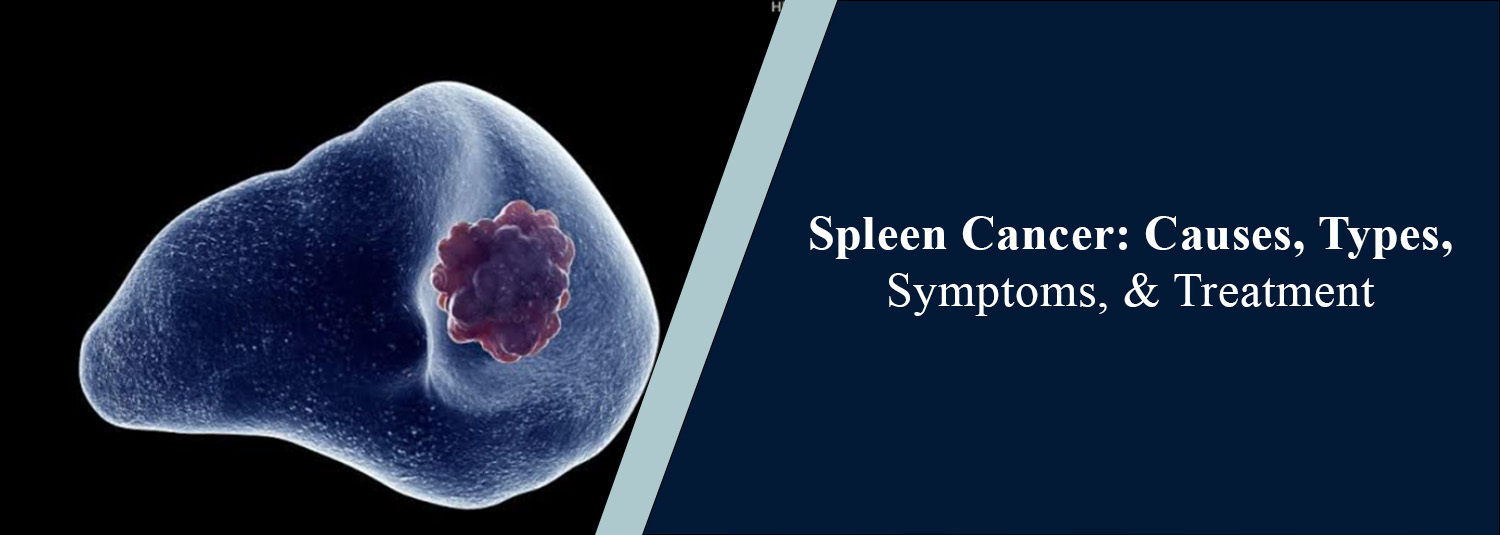
Spleen Cancer is a very uncommon term
that is used to refer to cancers of a certain part of the abdomen. It is a
special structure situated below the ribcage on the left side of the abdomen in
the upper area and is an important part of the lymphatic and immune system. Its
primary functions are to filter blood, destroy old blood cells and to combat
infection.
Lymphoma is a disease that is the
result of uncontrolled cells in the body, most of which are lymphocytes (white
blood cells). Leukaemia, as well as several other malignancies, could
potentially impact the spleen. Information concerning the signs, causes,
diagnosis, treatment, and types of help could be useful in providing
professional aid at the right moment to patients suffering from spleen cancer.
Molecular Diagnostics and Therapy provide imaging services that may assist in
battling cancer by providing aid to physicians in ascertaining pathology that
may be present and whether further tests are needed to facilitate the making of
a diagnosis.
Causes and Risk
Factors of Spleen Cancer
In many types of blood malignancies,
the causes of spleen cancer are not fully understood. Most cancers of the
spleen that develop from lymphocytes are called lymphomas, and risk factors for
lymphomas may include the following:
• Immune system problems: Autoimmune
diseases or malfunction of the immune system could cause developing lymphatic
malignancies.
• Infections: A number of infections
are known to be associated with an enhanced risk of developing a particular
malignancy. But, apart from a viral infection, it might be other regular
infections too that are causing the problem.
• Genetic and family history: It could
be that if close relatives had had these abnormalities, there might be an
increased risk that they also develop this abnormality.
Each of these is a risk factor
indicating that a person might develop spleen cancer, but a person may develop
spleen cancer without having any of these risk factors.
Types of Spleen
Cancer
Spleen cancer types are classified depending
on cell type and whether it originated from the spleen or other organs.
1. Primary Splenic Lymphoma:
Primary lymphoma of the spleen is rare
and difficult to classify. It may have typical symptoms of spleen cancer,
including an enlarged spleen, abdominal pain, fatigue, and weight loss.
2. Splenic Marginal Zone Lymphoma:
A very indolent or slowly progressive
form of NHL that is a slow-growing B-cell non-Hodgkin lymphoma that affects the
spleen and bone marrow, where it can commonly result in splenomegaly and
cytopenia.
3. Diffuse Large B-Cell Lymphoma:
An aggressive NHL that may involve the
spleen, presenting with rapidly growing tumours, fever, night sweats, fatigue,
weight loss, and other symptoms.
4. Secondary Cancer Involving the
Spleen:
Cancer can reach the spleen from
elsewhere, such as lymphoma or leukaemia, and, rarely, other tumours. Treatment
is directed at the original cancer.
Spleen Cancer
Symptoms
There may be a variety of symptoms of
spleen cancer depending on the type of cancer, the course of the cancer, and if
spleen cancer affects the production of blood. Sometimes, early signs of spleen
cancer are not obvious, and the cancer is only identified as a result of a
screening test or blood tests for other reasons. General signs and symptoms of
spleen cancer are:
- Pain and feeling full in the upper left
abdomen
- Spleen enlargement causing pain or fullness
after eating
- Fatigue, weakness, or feeling constantly tired
as a result of anaemia
- Fever or recurrent infections
- Weight loss
- Excessive sweating, especially at night
- Easy bruising or abnormal bleeding
- Swollen lymph nodes in the neck, armpit, or
groin due to some lymphoma
These symptoms may not be easy to
identify if they are due to spleen cancer when they coincide with symptoms of
many other medical conditions. But, if someone suffers from any of these
symptoms of spleen cancer has persisted for a long time, it's good to get
medical advice to see if there are any severe underlying causes for the
trouble. Sudden or severe pain in the upper left abdomen (often after a trauma)
is a serious condition requiring medical attention since the spleen can rupture
if it enlarges.
Spleen Cancer
Treatment
Treatments for spleen cancer depend on
the type of malignancy, its stage and severity, and the patient’s general
health and symptoms. The following are the possible treatment options for
spleen cancer:
Chemotherapy: Certain drugs could be administered to shrink or kill cancer cells.
Treatments for some types of lymphomas could be combined with other drugs.
Immunotherapy and targeted therapy: Some malignancies could be treated by targeting
specific molecules or genes, or boosting the immune system to fight cancer
cells. The choice of individual therapy will be determined by the tests and the
cancer type.
Radiation therapy: Radiation could be used to treat selected types of malignancies
depending on their location and spread.
Splenectomy: Surgical removal of the spleen could be an option for certain
conditions, such as specific diseases of the spleen. Due to the spleen’s
essential function in the immune system, other alternative treatments are
usually considered first. Patients who have their spleens removed may need to
be vaccinated against certain bacteria and take measures to prevent infection.
Active monitoring: In some cases, particularly for slow-growing lymphomas, doctors may
recommend regular check-ups instead of starting treatment right away.
Conclusion
Spleen cancer is rare, and its symptoms are similar to those of many other conditions. Therefore, seeking professional advice and blood tests are essential steps if a person is experiencing unexplained weight loss, fever with no other symptoms, feeling tired or run down, an enlarged spleen, or a painful upper abdomen. Molecular Diagnostics and Therapy offer diagnostic imaging services that could be used to evaluate the patient’s condition. These tests, alongside a detailed physical examination and medical history review, could help determine the underlying reason for the disorder.
Frequently Asked Questions
In News
Get Our Mobile App
for Easy Access
Book tests, view reports, and manage your health records on the go. Experience convenient healthcare with Molecular Diagnostics and Therapy.
- ✔ Book tests & home collection
- ✔ View reports instantly
- ✔ Track health history
- ✔ Get notifications & reminders
- ✔ Easy appointment management