Why PET-CT Machine Type Matters for Cancer Patients?
Talk to Health Expert

Dr. Nikunj Jain
Co-Founder and HOD - Nuclear Medicine ,MBBS, DRM, DNB, FEBNM, FANMB, Dip. CBNC
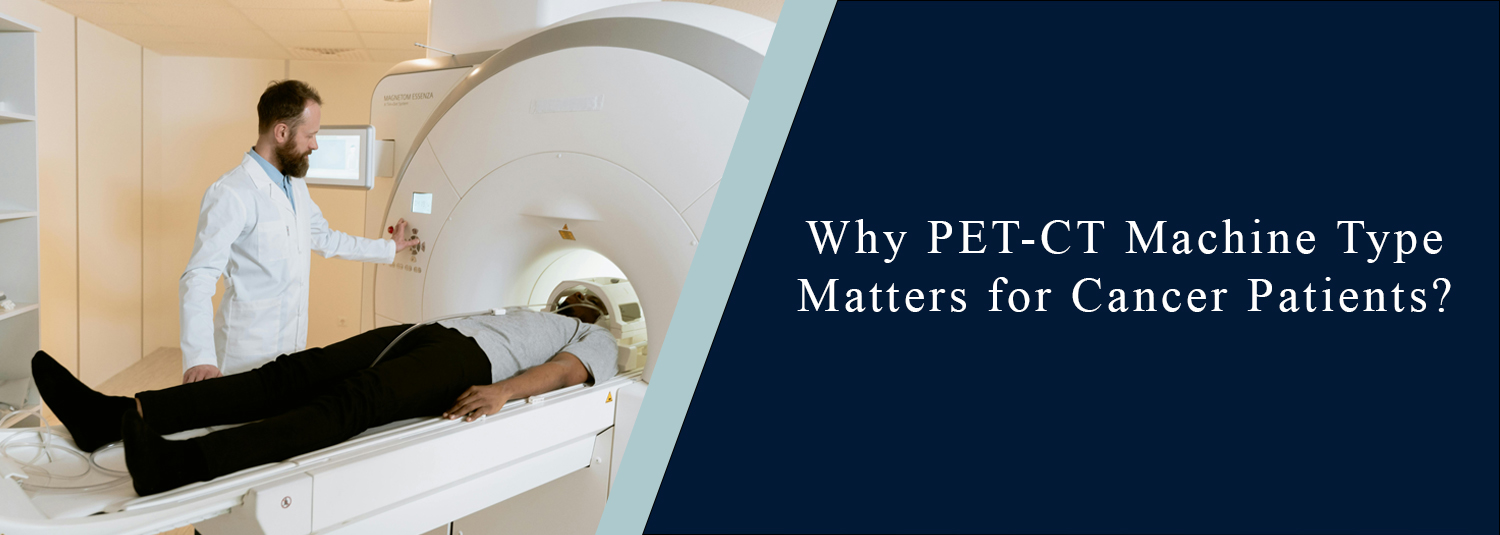
PET-CT scan or image is a medical technology used in the diagnosis
and treatment planning of cancers. It combines two methods, PET and CT, to
provide functional and detailed imaging of the body in a single scan.
PET-CT scans aid cancer patients in locating tumors, the extent of
spreading of the cancer, decision on treatment, and also indicate how the
therapy is progressing. Nevertheless, not all patients are aware that the
quality and type of the PET-CT machine may have a significant impact on the
quality of the obtained results.
Various PET-CT models differ in the level of clarity of the
images, quickness of scan, sensitivity, and amount of radiation they emit. The
awareness about the relevance of the type of machine assists the patients and
doctors in making the right decision regarding the location of optimum care.
Understanding PET-CT Imaging
A PET-CT scan combines two imaging methods into one machine.
- PET imaging detects metabolic activity in
cells using a small amount of radioactive tracer. Cancer cells usually
have higher metabolic activity than normal cells, making them easier to
detect.
- CT
imaging provides detailed structural
images of organs, tissues, and bones.
When these two imaging
methods are combined, doctors receive a highly accurate view that shows both
the location and activity of abnormal cells. This makes PET-CT scanning
extremely valuable in oncology.
Importance of PET-CT in Cancer Diagnosis
PET scans combined with CT scans are very commonly used in the
treatment of cancers, as they present a lot of information that cannot be
offered by the majority of other tests. A physician uses PET-CT scans to
accomplish several valuable things, including:
- Finding
early‑stage tumors
- Determining
whether cancer has metastasized.
- Staging
the disease
- Planning
surgery, chemotherapy, or radiation therapy
- Monitoring
of the treatability progress.
- Detecting cancer return
Since such decisions directly determine a patient's treatment
plan, the quality of the PET-CT scan is vital.
How Does the PET-CT Machine Type Affect Image
Quality?
The technology of a machine is usually a determining factor in the
quality of a PET-CT scan.
The PET-CT systems that are currently in use are modern and have
better sensitivity, image clarity, and scanning time in comparison with older
machines. Such upgrades enable doctors to identify small tumors and minor
issues that cannot be detected by the old scanners.
Better detectors and image-building software are also used, thus
sharpening the image, and background noise is minimized in the newer machines.
In the case of a cancer patient, the better the described images, the more
accurate the diagnosis and the subsequent treatment plan.
Faster Scans and Improved Patient Comfort
Much of the advantage of more recent PET-CT scanners is that they
take less time to complete a scan. Older PET scanners may require longer
imaging times, which can be uncomfortable for patients who need to remain still
during the procedure. New-generation PET-CT systems are designed to perform
scans faster while maintaining high image quality. Shorter scan durations are
particularly beneficial for:
- Elderly
patients
- Children
- People
in pain
- To people who can hardly stay still.
The scans are also shorter and reduce motion blur, thus providing
clearer images.
Lower Radiation Exposure
Radiation safety is an
important consideration in medical imaging. Modern PET -CT machines are dose-saving
technologies that reduce radiation without compromising image quality. It is
significant to cancer patients who frequently require multiple scans in
diagnosis, treatment, and follow-up.
Newer machines can also locate the tracer more efficiently, and
thus, they are able to use less radioactive material while still providing
high-quality images.
Better Detection of Small Lesions
The possibilities of modern PET -CT machines in detecting small
lesions and early tumors can be viewed as the greatest benefit of these
machines.
Greater sensitivity of detectors and better image building algorithms allow scanners to sense the smallness of abnormal activity, which the older machines might not have detected. Early detection plays a critical role in improving treatment outcomes and survival rates for many types of cancer.
Advanced Technologies in Modern PET-CT Machines
New developments have enhanced PET-CT. Modern systems include:
- Time-of-Flight
(TOF) to achieve improved image rubbish.
- Digital
detectors with better signal capturing.
- AI-assisted
image reconstruction to have clearer images.
- Motion–correction features minimize blur in the scan.
The features enable radiologists to view scans in greater detail
and with more confidence.
Impact on Treatment Planning
Proper imaging is a key to proper cancer treatment plans. PET-CT scans assist the physician in calculating:
- The precise location of tumors.
- The size and diffuseness of the cancer.
- The extent of involvement of other organs and lymph nodes by the
cancer.
- The level of effectiveness of treatment.
In the case that the images are not clear or are misplaced,
physicians may determine the incorrect stage of cancer or take medications that
cannot work. They are enhanced with the help of advanced PET machines with CT,
which can result in enhanced outcomes.
Choosing the Right PET-CT Facility
Patients must not focus on location and price alone when choosing
a location to have a PET scan and a CT scan. Important factors include:
·
Type and age of the
PET-CT machine.
·
The radiation and
nuclear medicine physician experience.
·
The quality assurance
and safety measures.
·
patient support and
comfort.
PET-CT systems are more current, and facilities that utilize these
are in a better position to provide good, reliable results.
The type of PET-CT
machine used for imaging can have a significant impact on the accuracy, safety,
and effectiveness of cancer diagnosis and treatment planning. Advanced PET-CT
systems provide higher image resolution, faster scanning times, lower radiation
exposure, and better detection of small tumors.
For cancer patients,
these improvements can lead to earlier detection, more accurate staging, and
more effective treatment strategies.
At Molecular
Diagnostics and Therapy, advanced imaging technologies such as modern
PET-CT systems are used to provide precise diagnostic results. With experienced
specialists and high-quality imaging infrastructure, the centre supports
oncologists in delivering the best possible care for patients undergoing cancer
diagnosis and treatment.
Frequently Asked Questions
In News
Get Our Mobile App
for Easy Access
Book tests, view reports, and manage your health records on the go. Experience convenient healthcare with Molecular Diagnostics and Therapy.
- ✔ Book tests & home collection
- ✔ View reports instantly
- ✔ Track health history
- ✔ Get notifications & reminders
- ✔ Easy appointment management