Ga-68 DOTATATE Whole Body PET-CT Scan
₹22000
Ga-68 DOTATATE Whole Body PET-CT Scan is a medicinal imaging technology used to identify and evaluate neuroendocrine tumors (NETs). It also entails a radiotracer called Gallium-68 DOTATATE that attaches to somatostatin receptors that are over-expressed on neuroendocrine tumor cells.
It is a scan, which combines both PET (functional scanning) and CT (structural scanning) to allow one to measure the presence, spread, and activity of the tumors throughout the entire body in an extremely precise way. It is considered one of the most sensitive and selective imaging technologies to diagnose and treat neuroendocrine tumours.
Procedure of Ga-68 DOTATATE PET-CT
Before the Scan
- It may be necessary to fast for 4-6 hours.
- Stay well hydrated
- Report medications, pregnancy, and medical conditions to the doctor.
- No heavy physical exercise before the scan.
During the Scan
- Ga-68 DOTATATE radiotracer is a small dose injected into a vein.
- Tracer uptake waiting period is about 45-60 min.
- The scan is on a PET-CT scanner.
- Imaging requires the patient to lie motionless.
- Scan time is about 20-40 minutes.
After the Scan
- Take lots of fluids to get rid of the tracer.
- Resume normal activities.
- Radiation exposure is low and short-lived.
Techniques Used
- PET Imaging: Receptor activity is detected in tumors.
- CT Imaging: Offers anatomy.
- Ga-68 DOTATATE Tracer: Somatropin receptors.
- Whole Body Imaging: Determines illness in the body.
Benefits
- Very sensitive and specific to neuroendocrine tumors.
- Early and small lesions are detected.
- Provides whole-body evaluation.
- Non-invasive and safe.
- Assist with direct individual therapy.
Conditions Diagnosed
- Neuroendocrine tumors (NETs).
- Carcinoid tumors.
- Gastroenteropancreatic NETs.
- Metastatic neuroendocrine disease.
- Recurrence of tumor or residual tumor.
Risks and Considerations
Radiation Exposure
- Low-level radiation is considered safe
Pregnancy
- Not recommended unless necessary
Allergic Reactions
- Rare, as tracer reactions are uncommon
Physical Activity
- Excess activity before the scan may affect the results
Comparison with Other Imaging Techniques
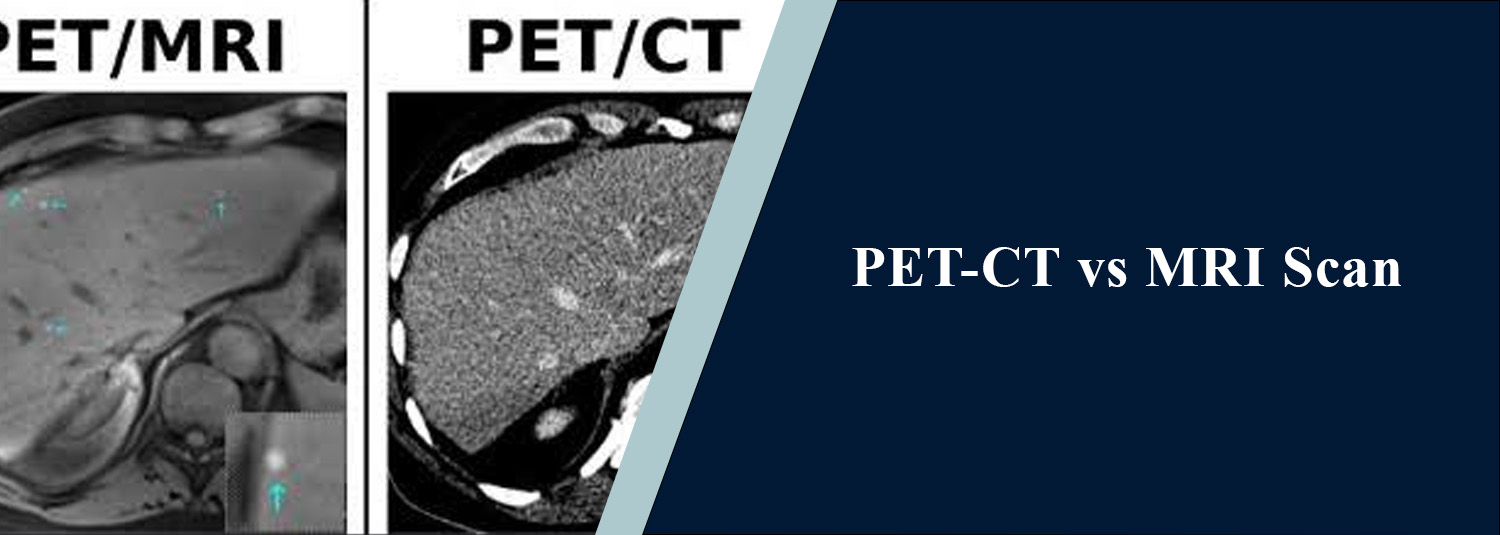
- CT Scan: Anatomical but poor functional information.
- MRI: Good soft tissue, but no receptor-specific.
- FDG PET-CT: More appropriate for aggressive tumors and less accurate with NETs.
- Ga-68 DOTATATE PET-CT: very specific towards tumors with somatostatin receptors.
Clinical Importance
Ga-68 DOTATATE PET-CT would be an important instrument in the contemporary oncology of neuroendocrine tumors:
- Allows very early and proper detection.
- Assistance in stage directions and treatment planning.
- Assesses the suitability for PRRT treatment.
- Monitors treatment compliance and has recurrence
Its receptor specificity is high, making it an ideal imaging gold standard in most neuroendocrine tumors.
Conclusion
Whole Body PET-CT Scan Ga-68 DOTATATE is a highly developed and trustworthy image modality for assessing neuroendocrine tumors. It gives high specificity in diagnosis and thorough assessment of the disease by utilizing both functional and structural imaging, coupled with receptor targeting.
It is of great importance in early diagnosis, treatment, and follow-up monitoring, which helps greatly in patient outcomes.
Test information: Fasting: 5 hours
Reporting: Within 24–48 hours
-
Fasting for 4–6 hours is required (water is allowed)
-
Stay well hydrated before the scan
-
Avoid strenuous physical activity for 24 hours prior
-
Inform your doctor about all medications
-
Inform if you are pregnant or breastfeeding
-
Diabetic patients should consult for specific instructions
-
Remove all metal objects (jewellery, belt, etc.)
Talk to Health Expert
Health Articles