NCCT HEAD & NECK
₹4000
Molecular Diagnostics and Therapy is a state-of-the-art diagnostic centre that is NABL and NABH accredited, providing NCCT Head & Neck. It is an X-ray-based imaging technique, which utilises computer software to produce detailed transverse body section images. Contrast dye is not needed. It can then be used to investigate a range of issues affecting the head and neck, including the brain, skull, and facial and neck areas.
What is NCCT Head & Neck?
NCCT Head & Neck is a non-invasive procedure which is performed using a CT scanner. The individual is positioned on a table, which is then passed through the scanner. X-ray images are taken from various positions and are analysed by computer software to generate transverse body section images of the head and neck. Depending on the scan prescription, the investigation can be used to investigate the brain, skull and facial and (where relevant) neck areas. Contrast dye is not needed. The body area and sequence to be scanned will be decided by both the doctor’s prescription and the individual’s presenting symptoms.
Conditions Evaluated
Intracranial Haemorrhage
Haemorrhage can occur within the skull, either inside or outside of the brain. As it can effectively detect fresh haemorrhage, NCCT is often used in an emergency setting to inform onward management.
Skull and Facial Bone Fractures
Head and/or facial bone breaks can occur as a result of trauma. CT scans allow detailed analysis of bone and so can assist in determining where and how severe any suspected breaks are.
Brain Swelling and Structural Changes
NCCT can assist in the investigation of brain oedema or morphology and other issues, and these results are analysed in conjunction with the individual’s symptoms and physical examination.
Stroke-Related Changes
NCCT is often used in the initial assessment of stroke. Again, it is particularly useful for detecting cerebral haemorrhage. Occasionally, minor or early ischaemic strokes cannot easily be seen on non-contrast CT scans and further investigation, for example with MRI and/or CT angiography, may be necessary.
Neck Injuries and Bone Abnormalities
Depending on the body area scanned and the scan prescription, NCCT can be used to investigate certain neck areas for trauma and/or breaks and visible issues.
Why Choose Molecular Diagnostics and Therapy?
Molecular Diagnostics and Therapy offers an integrated service encompassing Radiology, Nuclear Medicine and Pathology. We employ standardised scanning procedures and ensure correct patient positioning. Image quality is also analysed. Reports are presented in an easy-to-understand format so that doctors can analyse them along with an individual’s symptoms, medical history and further investigations. We strive to deliver both approachable and consistently high-quality care.
Book Your NCCT Head & Neck Scan
Book an appointment for your NCCT Head & Neck investigation at Molecular Diagnostics and Therapy. Ensure that you have your doctor’s prescription and any existing CT or MRI reports to hand. Bring along pertinent medical information. Typically, individuals do not need to fast for a non-contrast CT scan, but do adhere to any particular pre-scan requirements given to you. If you are, or think that you may be, pregnant, advise the radiology staff.
Test information: Non-contrast CT scan; fasting is generally not required.
Reporting: Within 24 hours*
- Fasting is generally not required for an NCCT Head & Neck scan unless advised by the centre.
- Inform the radiology team about pregnancy or the possibility of pregnancy before the scan.
- Share details of any recent head or neck injury, surgery, or relevant medical conditions.
- Carry your doctor's prescription, previous CT/MRI reports, and relevant medical records, if available.
- Remove jewellery, hairpins, spectacles, and other metal objects from the head and neck area before the scan.
- Follow the radiology team's instructions and remain still during image acquisition.
Talk to Health Expert
Health Articles

NCCT HEAD & NECK
₹4000
Molecular Diagnostics and Therapy is a state-of-the-art diagnostic centre that is NABL and NABH accredited, providing NCCT Head & Neck. It is an X-ray-based imaging technique, which utilises computer software to produce detailed transverse body section images. Contrast dye is not needed. It can then be used to investigate a range of issues affecting the head and neck, including the brain, skull, and facial and neck areas.
What is NCCT Head & Neck?
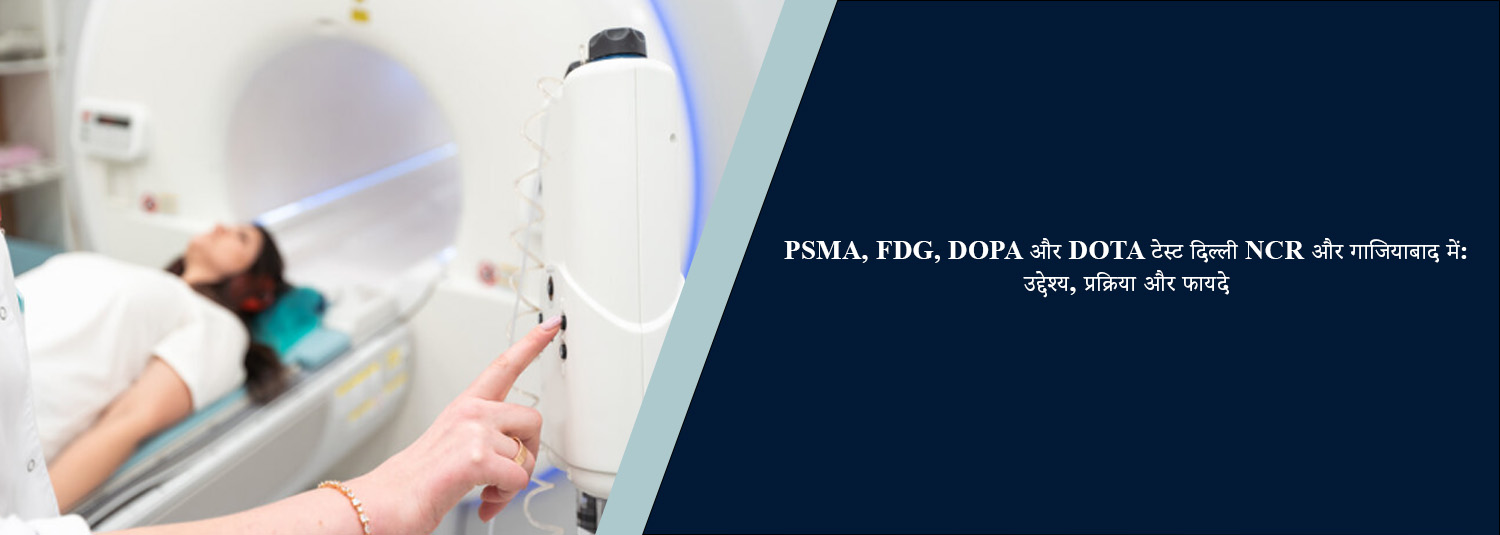
NCCT Head & Neck is a non-invasive procedure which is performed using a CT scanner. The individual is positioned on a table, which is then passed through the scanner. X-ray images are taken from various positions and are analysed by computer software to generate transverse body section images of the head and neck. Depending on the scan prescription, the investigation can be used to investigate the brain, skull and facial and (where relevant) neck areas. Contrast dye is not needed. The body area and sequence to be scanned will be decided by both the doctor’s prescription and the individual’s presenting symptoms.
Conditions Evaluated
Intracranial Haemorrhage
Haemorrhage can occur within the skull, either inside or outside of the brain. As it can effectively detect fresh haemorrhage, NCCT is often used in an emergency setting to inform onward management.
Skull and Facial Bone Fractures
Head and/or facial bone breaks can occur as a result of trauma. CT scans allow detailed analysis of bone and so can assist in determining where and how severe any suspected breaks are.
Brain Swelling and Structural Changes
NCCT can assist in the investigation of brain oedema or morphology and other issues, and these results are analysed in conjunction with the individual’s symptoms and physical examination.
Stroke-Related Changes
NCCT is often used in the initial assessment of stroke. Again, it is particularly useful for detecting cerebral haemorrhage. Occasionally, minor or early ischaemic strokes cannot easily be seen on non-contrast CT scans and further investigation, for example with MRI and/or CT angiography, may be necessary.
Neck Injuries and Bone Abnormalities
Depending on the body area scanned and the scan prescription, NCCT can be used to investigate certain neck areas for trauma and/or breaks and visible issues.
Why Choose Molecular Diagnostics and Therapy?
Molecular Diagnostics and Therapy offers an integrated service encompassing Radiology, Nuclear Medicine and Pathology. We employ standardised scanning procedures and ensure correct patient positioning. Image quality is also analysed. Reports are presented in an easy-to-understand format so that doctors can analyse them along with an individual’s symptoms, medical history and further investigations. We strive to deliver both approachable and consistently high-quality care.
Book Your NCCT Head & Neck Scan
Book an appointment for your NCCT Head & Neck investigation at Molecular Diagnostics and Therapy. Ensure that you have your doctor’s prescription and any existing CT or MRI reports to hand. Bring along pertinent medical information. Typically, individuals do not need to fast for a non-contrast CT scan, but do adhere to any particular pre-scan requirements given to you. If you are, or think that you may be, pregnant, advise the radiology staff.
Test information: Non-contrast CT scan; fasting is generally not required.
Reporting: Within 24 hours*
- Fasting is generally not required for an NCCT Head & Neck scan unless advised by the centre.
- Inform the radiology team about pregnancy or the possibility of pregnancy before the scan.
- Share details of any recent head or neck injury, surgery, or relevant medical conditions.
- Carry your doctor's prescription, previous CT/MRI reports, and relevant medical records, if available.
- Remove jewellery, hairpins, spectacles, and other metal objects from the head and neck area before the scan.
- Follow the radiology team's instructions and remain still during image acquisition.
Talk to Health Expert
Health Articles